
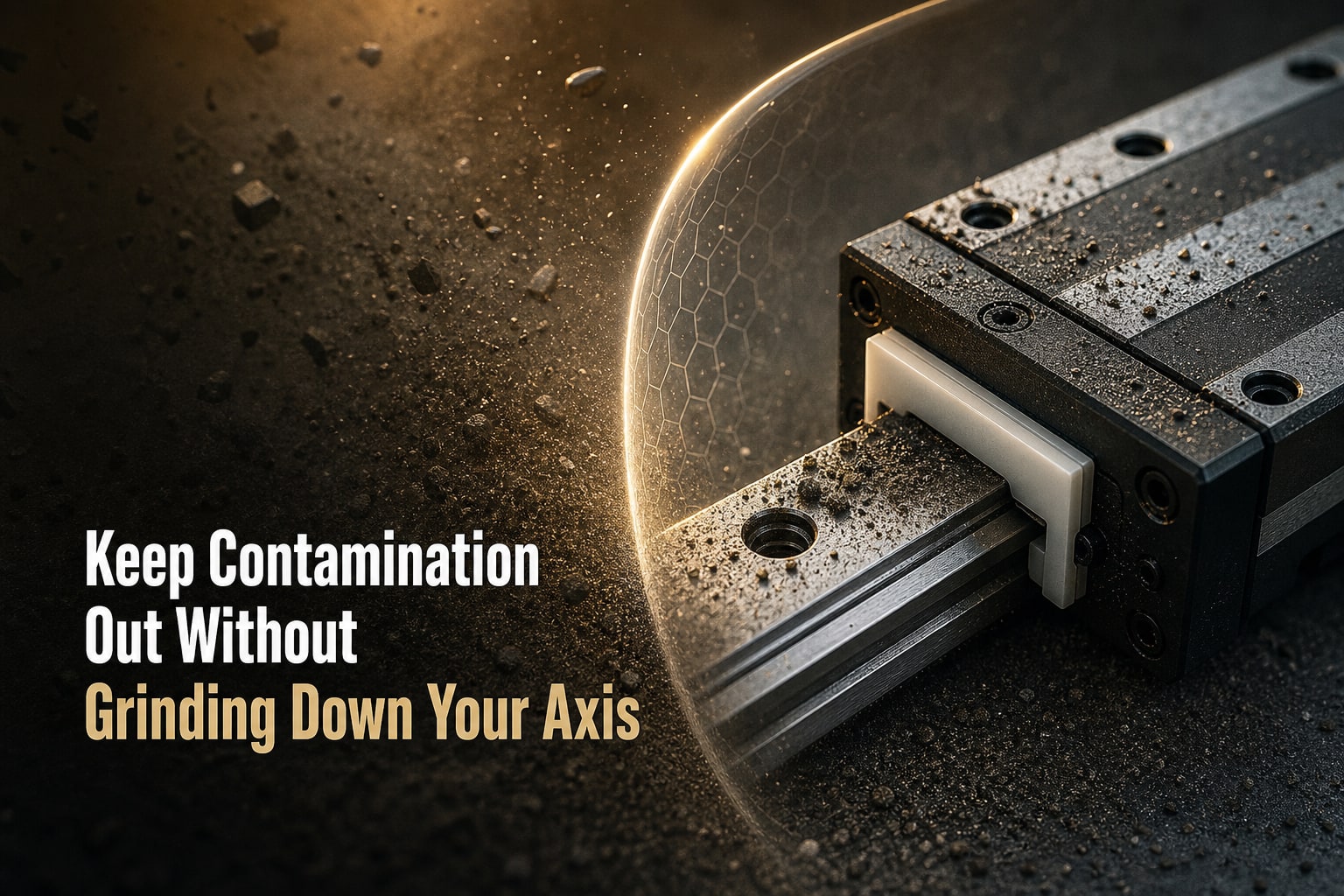
Dust, chips, coolant and process residue can travel along a moving rod or guideway and reach bearings, actuators, slides and other protected spaces. By the end, you will be able to identify how a nylon wiper removes contamination, specify its fit and material, and decide when friction, heat or harsh debris calls for a different protection method.
Key takeaways
- Install the wiper on the atmospheric side of the primary rod or shaft seal.
- Specify bore, shaft diameter, groove dimensions, clearance and operating stroke.
- Choose another material for high heat, aggressive chemicals or severe abrasion.
- Balance tight contact against friction, heat generation and premature wear.
How a nylon wiper removes contamination from a moving axis
A nylon wiper seal for machinery is a contaminant-exclusion component, not the machine’s primary pressure seal. It sits on the atmospheric side of a rod or shaft seal at a moving axis, guideway, slide, carriage or enclosure opening.
During retraction or return travel, its lip stays against the moving surface and scrapes away dust, chips, moisture, coolant and process residue before they reach the protected machine space.
Install the wiper so it remains effective through the machine’s complete travel:
- Face the wiping lip toward the contamination source, usually the exposed side of the axis.
- Set contact pressure high enough to maintain a continuous wiping line, but not so high that friction overheats or accelerates wear.
- Provide overlap at straight joints and seal corners without folding or buckling the lip.
- Fix the strip or ring securely so movement cannot pull it from the housing.
- Protect the lip from threads, keyways, retaining-ring grooves and sharp edges during insertion; use the specified lubricant and insertion tool.
- Check clearance at both travel limits, including corner movement and rod runout.
Nylon is stiffer than rubber, so misalignment, groove errors and side loading can lift the lip away from the rod instead of letting it conform. A nylon brush wiper leaves gaps between filaments, while a felt wiper absorbs residue; a nylon lip provides a defined scraping contact.
Use a reciprocating wiper on a reciprocating axis, not as a rotary shaft seal, where heat and rapid wear can result.
Where to install the wiper and how to specify its fit
Install a nylon wiper seal for machinery on the atmospheric side of the primary rod or shaft seal, at the opening where a rod, shaft, guideway, slide or carriage enters protected space. Set the lip toward the contamination source and reserve clearance for the machine’s complete travel, including overrun and end stops.
Specify these installation details before machining the housing:
- Groove diameter, width, depth and retention method; confirm the manufacturer’s allowable tolerance.
- Lip interference and contact pressure for the actual rod diameter. Excess pressure creates heat and wear; insufficient contact leaves a contamination path.
- Rod alignment, runout and side load. Nylon is less compliant than rubber, so a misaligned rod can open a gap or wear one edge.
- A chamfered lead-in, protective sleeve or installation tool over threads, keyways and retaining-ring grooves. Sharp edges can nick the lip.
- The approved lubricant and insertion method. Twisting the wiper during fitting can permanently distort it.
- Motion type: use a reciprocating design for a rod that travels in and out, not a rotary shaft application.
| Fit condition | Correct installation | Failure if wrong |
|---|---|---|
| Centered rod with controlled runout | Continuous light contact | Gaps or uneven wear |
| Threads, keyways or grooves in travel | Covered by a lead-in sleeve | Lip cuts and leakage |
| Cornered or joined housing | Specified overlap and sealed end joints | Open contamination paths |
| Enclosure opening requiring an IP claim | Test the complete assembly to IEC 60529 | The wiper alone proves no IP rating |
When nylon is suitable—and when another wiper material is safer
Nylon is suitable for a nylon wiper seal for machinery when reciprocating travel, moderate contamination and controlled alignment matter more than maximum compliance. Choose the grade against continuous and short-term peak temperature, humidity, load, coolant or chemical contact; “nylon” alone is not a temperature specification.
| Option | Choose it when | Main limitation |
|---|---|---|
| Nylon | You need a firm scraper for dust, chips and coolant on a guided rod, slide or carriage | Poor alignment, runout, side load or a rough counterface can lift, cut or abrade the lip |
| Metal | Hot surfaces, sharp chips or severe scraping would destroy polymers | It needs a hard, smooth counterface and can score the rod or guideway |
| Polyurethane | Abrasion resistance and stronger lip recovery are priorities | Heat, hydrolysis, solvents and tight alignment limits must match the compound |
| Rubber | The moving surface is misaligned and flexible contact matters | Oils, chemicals, ozone, heat and abrasive chips can shorten lip life |
| Felt | You need light dust retention and oil wiping at low speed | It is not a reliable barrier against coolant, slurry or heavy chips |
| Non-contact cover | You need zero rubbing and low wear around a moving opening | Gaps allow fine dust, and it does not scrape residue from the surface |
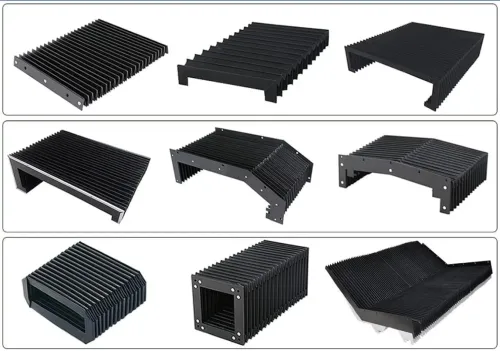
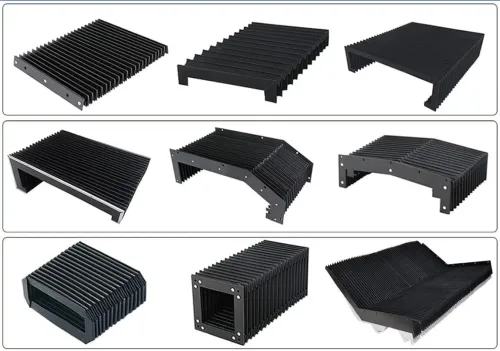
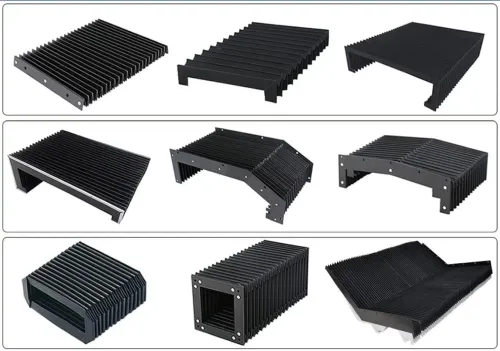
| Bellows | Slurry, welding spatter, packed mud, ice or chips could overload a scraper | It consumes space and needs protected folds, end fixing and travel clearance |
A nylon lip is normally an atmospheric-side contaminant barrier, not the primary pressure seal. Use it for reciprocating motion; rotary shafts need a rotary seal geometry. Inspect for burrs, dents, pits, damaged plating and sharp ports, then verify groove tolerance, alignment and full-travel clearance.
Add a bellows, guard or drain path when contamination bonds to the moving surface.
How to balance contamination exclusion against friction and wear
Compare the required exclusion level with the friction the drive can afford; a tighter lip is not automatically a better nylon wiper seal for machinery. Excessive interference raises drive load, generates heat and accelerates wear, while insufficient contact lets coolant and chips pass.
| Check before ordering | What to measure or ask | Ordering implication |
|---|---|---|
| Sealing tightness | Contaminant size, coolant exposure, allowable leakage and whether pressure can reach the wiper | Use a pressure-rated design or separate pressure seal if pressure acts on the lip; a conventional scraper can extrude or invert |
| Drive load | Motor current, thrust margin, speed, stroke rate and allowable friction | Choose the lowest contact force that excludes the contamination; do not compensate for poor alignment with extra interference |
| Counterface | Rod or shaft material, hardness, surface finish, runout, side load and scratches | A glass- or mineral-filled nylon grade can improve stiffness but increase counterface wear; rough or eccentric surfaces need correction |
| Operating data | Continuous and peak temperature, humidity, immersion time, chemicals and expected moisture conditioning | Specify the nylon grade and dimensions at the service moisture state, not from dry-data dimensions alone |
Record drive current and temperature during a clean baseline run, then repeat after exposure to coolant or dust. A rising load with a polished wear track indicates excessive friction; leakage with stable load points to inadequate contact or misalignment.
Give SCUTES INDIA PRIVATE LIMITED these measurements when comparing a solid nylon wiper with a brush arrangement, rather than requesting a generic “tight fit.” That comparison prevents a seal that protects the guideway but overloads the drive.
Related product
 | NYLON AND METAL BRUSH WIPER Our Nylon and Metal Brush Wipers are high-performance industrial cleaning components designed for efficient wiping, cleaning, and surface finishing... View product → |
How to prevent installation damage and maintain protection in service
Installation damage often begins before the first machine cycle. A lip can be cut on a thread, keyway, retaining-ring groove or sharp housing edge, while twisting can permanently distort a rigid wiper.
A nylon wiper seal for machinery excludes contaminants; it is not the primary pressure seal, so do not force it to compensate for a damaged rod seal.
1. Cover threads, grooves and sharp edges with the specified lead-in sleeve or protective tape. Remove burrs, then use the manufacturer’s insertion tool and specified lubricant.
2. Keep the lip facing the contamination source and confirm the seal remains in contact through the machine’s full travel. Check overlap, end joints, corner transitions and fixing points for gaps or lifting.
3. Measure rod or shaft runout, housing alignment, groove dimensions and side loading. Nylon is less compliant than elastomeric materials; misalignment can open the contact line instead of allowing it to conform.
4. Confirm the wiper matches the motion. A reciprocating rod wiper used on a rotary shaft can generate heat, wear quickly and leak.
5. Record continuous and peak temperatures, humidity, load and chemical exposure against the selected nylon grade. A generic “nylon temperature” is not a valid limit.
During service, inspect the lip for cuts, hardening, flattening and loss of contact, and remove packed chips before they score the moving surface. Do not claim an IP rating from the wiper alone; IEC 60529 applies to the complete enclosure, including compression, cable entries, drainage and assembly.
Frequently asked questions
Where should you install a nylon wiper seal?
Install it on the atmospheric side of the primary rod or shaft seal, at the moving-axis opening exposed to dust, coolant, oil or chips.
What dimensions must you specify for a nylon wiper seal?
Specify the shaft or rod diameter, wiper bore, groove dimensions, available clearance, stroke and mounting arrangement.
When is nylon a suitable wiper material?
Nylon suits applications requiring a firm wiping edge and resistance to ordinary industrial contamination when temperature, chemicals and abrasion remain within its limits.
When should you choose another wiper material?
Choose another material when the application involves high temperature, aggressive chemicals, severe abrasion or conditions that make nylon brittle, swollen or worn.
How do you reduce friction and wiper wear?
Use enough contact to exclude contamination without excessive interference, keep the shaft or guideway surface smooth, and inspect for damage and embedded chips.