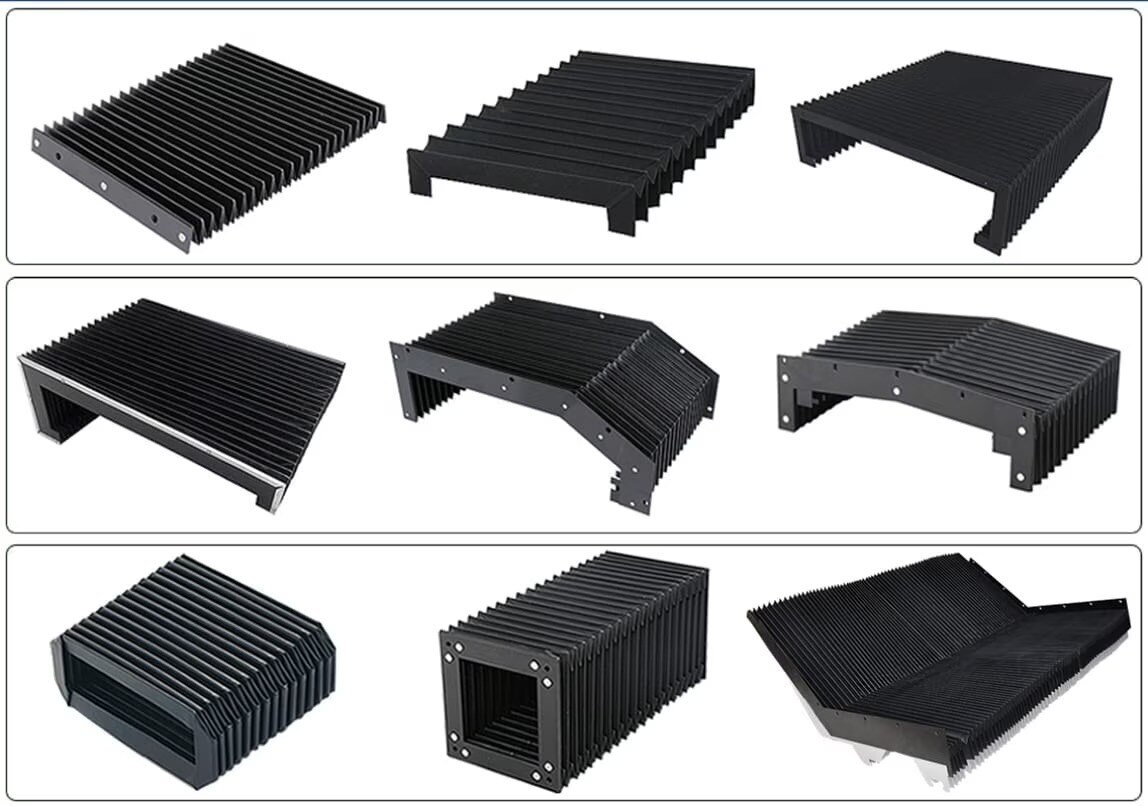
Kolkata’s monsoon exposes machinery to wind-driven rain, high humidity, condensation, waterlogged floors and wet chips mixed with coolant. You will be able to assess the exposure, measure the machine, choose a cover format, install it safely and prepare questions for a supplier without treating every cover as a universal waterproof solution.
Key takeaways
- Measure the full moving envelope, not only the machine table.
- Use breathable, drainable protection instead of sealing a warm machine airtight.
- Inspect covers after roof leaks, wind-driven spray and floor-level flooding.
- Specify material, temperature, travel speed and cleaning needs before ordering.
Start with Kolkata’s actual monsoon exposure
Kolkata’s southwest monsoon can wet a machine repeatedly through high humidity, roof leaks, open sides, wind-driven spray and floor-level water. After shutdown, a warm machine under a sealed cover can create condensation that corrodes ways, tooling, terminals and chip-conveyor areas.
1. Identify the exposure before choosing machine covers for monsoon in Kolkata. Check whether rain falls from above, enters horizontally, or rises from a waterlogged floor; also check wet dust mixed with coolant or chips. Keep lower edges above pooled water and provide drainage or a raised plinth.
2. Match the cover to machine status. A parked-machine rain cover protects idle equipment and needs ventilation. A production cover must flex, roll, fold or telescope through axis travel without restricting chip evacuation, coolant return, tool access or emergency stops.
3. Reject a loose tarpaulin for moving equipment. It can snag on axes or rotating parts, abrade painted and machined surfaces, trap damp air, block ventilation and obstruct emergency access. A cover attached to an axis needs defined folded length, bend radius, clearances and a protected path; it must not compress a cable carrier.
4. Treat the cover as one part of monsoon machine protection in Kolkata. It does not repair roof leakage, flooding, failed way scrapers or water inside an electrical cabinet. Fix those sources separately, and never rely on an external cover to restore a damaged wiper seal.
Measure the machine and its moving envelope before ordering
For a machine cover in Kolkata, give the supplier a measured drawing, not a nominal machine model. Record closed and extended lengths, overall width and height, guideway or axis travel, stroke, maximum axis speed, attachment points, mounting space and clearances at full travel.
1. Add access dimensions for doors, controls, emergency stops, inspection points, tooling, chip evacuation and coolant return.
2. For a CNC machine cover in Kolkata, document heat sources, chip load, coolant type, oil exposure, rain direction, and whether the cover follows an axis or stays stationary.
3. State the required folded or rolled length, minimum bend radius, fixing method and cable-carrier travel envelope. Confirm attachment clearances remain open throughout every motion.
4. Route cable carriers independently. Provide strain relief, separation and the carrier manufacturer’s minimum bend radius, while respecting the largest cable or hose radius; do not let the weather cover compress, carry or obstruct the bundle.
Include reserve cable length and inspection access. An oversized cover can snag guides or rotating parts; an undersized cover can restrict travel or expose the way at its extremes. Check that the cover never becomes the carrier’s support.
Compare cover formats, materials and failure limits
PVC-coated polyester is the practical baseline for an industrial machine cover in Kolkata: it resists abrasion, wipes clean and handles rain, chips and coolant when its coating and seams are specified for those fluids. Use polyurethane-coated fabric when frequent folding demands a softer, more flexible fold.
| Option | Best fit | Failure limit |
|---|---|---|
| PVC-coated polyester | Rain, chips, coolant and abrasive service | Excess heat, incompatible oils or flexing beyond its cycle rating |
| Polyurethane-coated fabric | Repeated folding and flexible motion | Sharp chips, high heat or aggressive chemicals without confirmation |
| PTFE- or silicone-coated glass fabric | Higher temperature or chemical exposure | Stiffness, cost or poor folding performance if not designed for motion |
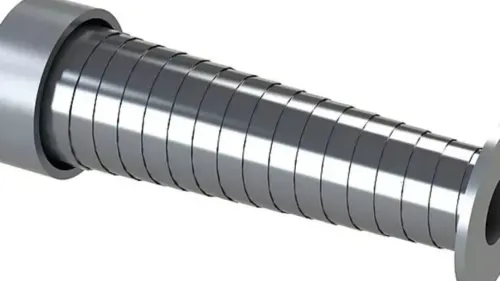
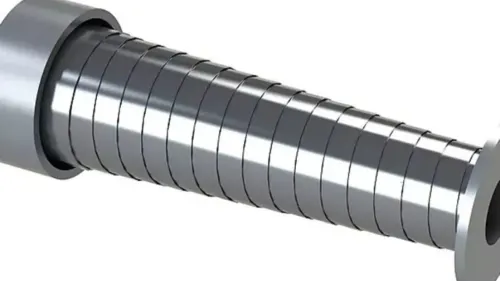
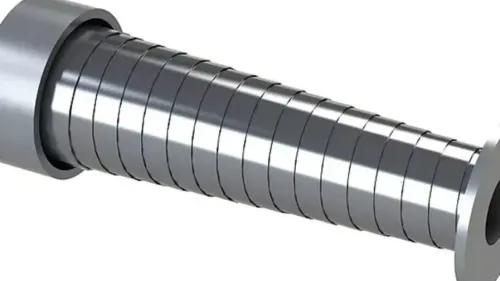
| Aluminium-strip apron | Simple, slower guideway protection | High-speed travel creates noise, inertia and impact risk |
| Telescopic steel cover | Heavy chip and coolant shielding | Mass, installation space and inertia become unacceptable on fast axes |
| Bellows | Compact repeated travel | Sharp hot chips can puncture or burn folds |
| Roll-up cover | Intermittent or parked protection | Continuous motion causes wear, sagging and winding failures |
Ask for a data sheet covering operating temperature, folding-cycle limits, coolant and cutting-oil compatibility, UV exposure, corrosion resistance, seam construction, reinforced hems, fasteners, wipers, drainage and replacement parts.
An IEC 60529 IP rating belongs to a tested enclosure, not automatically to textile fabric. IPX4, IPX5, IPX6 and IPX7 describe splashes, water jets, powerful water jets and temporary immersion; none proves condensation, seam leakage, coolant ingress or corrosion protection.
Install a cover without creating a new hazard
A safe cover sheds rain without sealing in heat, moisture or moving hazards. That is the core of monsoon machine protection in Kolkata.
1. Slope or tension the top and other horizontal surfaces so rain runs off instead of ponding. Keep the lower edge above pooled water; use a raised, non-absorbent hem or a separate plinth where floor flooding is possible.
2. Leave deliberate ventilation and drainage paths beneath the cover. A warm machine sealed under non-breathable fabric will retain damp air and accelerate corrosion. Do not let a hanging skirt touch wet floors and wick water upward.
3. Preserve access to doors, controls, emergency stops, sensors, inspection points, spindle areas, cable carriers, chip conveyors and electrical-cabinet ventilation. A cnc machine cover in Kolkata that blocks an emergency stop or traps a cable carrier creates a new failure during production.
4. Distribute attachment points along reinforced hems, using replaceable straps or buckles. Isolated eyelets concentrate wind loads and tear when gusts pull the cover across the machine; secure the cover without restricting axis travel.
5. Isolate power before fitting or removing the cover. Wait for hot surfaces to cool, then remove chips and standing coolant so you do not trap heat, abrasive debris or liquid underneath.
Water inside an electrical cabinet requires qualified service personnel. Placing a cover over that fault does not make the cabinet safe.
Build a pre-monsoon, post-storm and purchasing plan
A cover stays effective only when the machine and its surroundings are maintained with it. Before fitting a removable cover, stop the machine, let hot surfaces cool, remove chips and standing coolant, and dry exposed ways.
- Before monsoon, inspect roof leaks, drains, floor levels and floor-level openings; redirect water before it reaches the machine.
- Check guideways, linear rails, ball screws and spindle areas for rust, residue and blocked drainage.
- Test sensors, electrical-cabinet doors and ventilation; water inside a cabinet needs qualified service, not another cover.
- Inspect cable carriers for clear articulation and verify that the cover does not compress them or alter their travel envelope.
After heavy rain, remove or open the cover as planned, dry trapped moisture, and inspect for ponding, corrosion, wet chips, seam damage, loose fasteners, torn wipers and wicking hems. Replace it when the coating delaminates, seams leak, attachment points tear or motion clearance changes.
Budget for site measurement, custom fabrication, installation downtime, cleaning frequency, spare-cover planning and repairability; unplanned corrosion repairs can cost more than scheduled maintenance. Ask a machine cover in Kolkata supplier for lead time, measured installation, material and coolant testing, replacement parts, repair turnaround, monsoon deployment and after-sales support.
SCUTES INDIA PRIVATE LIMITED is a Kolkata manufacturer you can ask for a format-specific assessment, measured drawing, material data sheet and maintenance plan. For an industrial machine cover in Kolkata, demand those details instead of accepting a generic waterproof-cover promise.
Related products
 | Machine Covers Machine covers are specially designed shields used to protect industrial equipment and machinery from environmental elements. View product → |
 | Roll Up Cover A roll-up cover is a highly durable and flexible protective solution designed to safeguard machinery, equipment, and valuable assets from dust,... View product → |
Frequently asked questions
What monsoon exposure should Kolkata workshops plan for?
Plan for high humidity, roof leaks, open-sided wind-driven spray, repeated wetting and floor-level water. After shutdown, condensation under a sealed cover can corrode ways, tooling, terminals and chip-conveyor areas.
What must you measure before ordering a machine cover?
Measure the machine’s fixed dimensions, travel direction, maximum moving envelope, stroke length, access points, cable routes, mounting locations and nearby obstructions. Include clearance for the cover at full extension and compression.
How do you compare machine-cover formats and materials?
Compare bellows, roll-up covers, telescopic covers and sewn or flexible covers against exposure, travel speed, heat, coolant, oil, chips, abrasion and cleaning chemicals. Confirm the material’s temperature range and failure limits for the application.
How can you install a cover without creating a new hazard?
Keep the cover clear of tooling, pinch points, hot surfaces, rotating parts and emergency controls. Check that it does not restrict travel, obstruct sightlines, trap water or create a trip hazard, then test the machine through its complete movement.
What should a Kolkata workshop do before and after a monsoon storm?
Before monsoon, inspect roof drainage, seals, mounting points and machine clearances. After a storm, remove standing water, inspect for trapped moisture and corrosion, dry affected areas and record damage before restarting equipment.
Related products
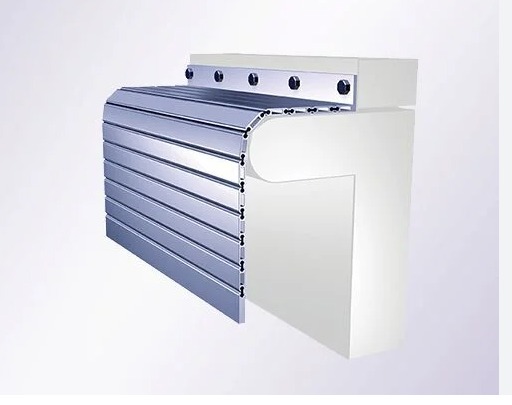 | APRON COVER Effectively engaged in offering a vast collection of outstanding quality products which include Apron Covers. View product → |
 | TELESCOPIC COVERS A telescopic cover protects guide-way surfaces and components of moving axis of machines. View product → |
 | TELESCOPIC SPRING COVER Telescopic Spring Covers provide protection under extreme conditions. View product → |
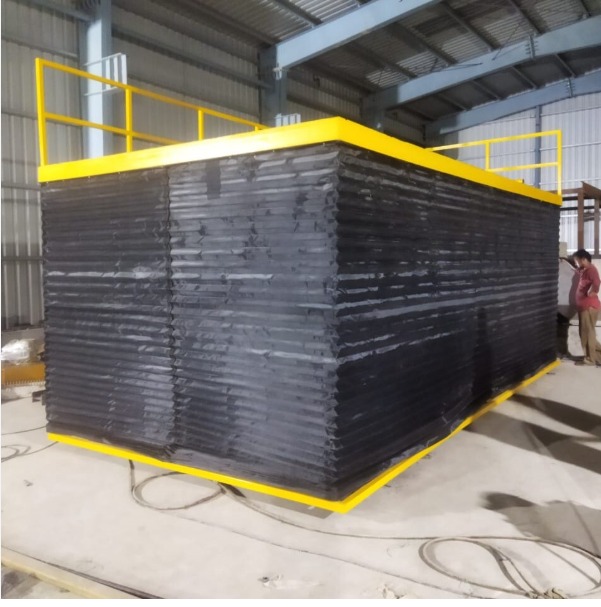 | SCISSOR LIFT BELLOWS Scissor Lift Bellows are one of the broadly demanded stabilizer for which we are considered an acclaimed designed in the market. View product → |