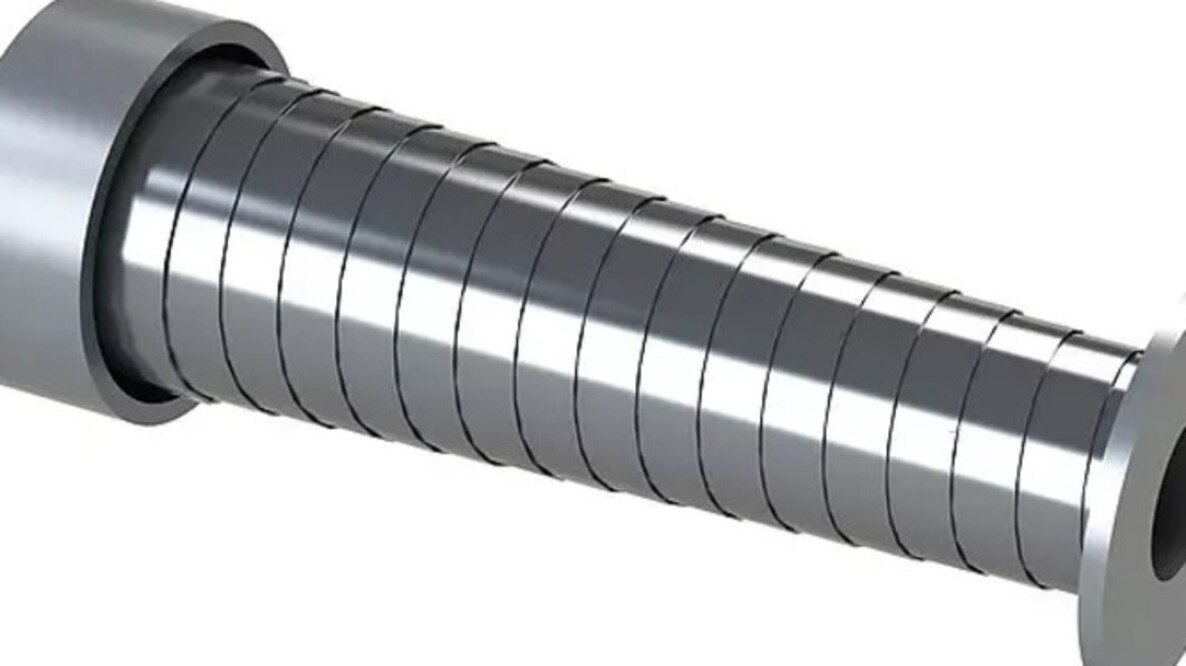
The correct cover depends on more than guide travel: hot swarf, grinding dust, coolant, movement speed and the available installation envelope can eliminate an otherwise suitable design. By the end, you will be able to select a cover type, measure the machine, specify materials and check whether the assembly will survive the axis motion.
Key takeaways
- Choose cover type by contamination: swarf, dust, coolant, heat or welding spatter.
- Measure the full guideway movement envelope, including compressed and extended positions.
- Specify seals, drainage, materials and clearances for the actual machine environment.
- Give suppliers speed, acceleration, interference and maintenance data before requesting a quote.
Start with the contamination and choose the cover type
Choose the protective cover for linear guides from the guideway’s actual contamination and thermal exposure, not from travel length alone. Hot, sharp swarf is a different problem from fine grinding dust, coolant splash or welding spatter.
| Option | Best fit | Main trade-off |
|---|---|---|
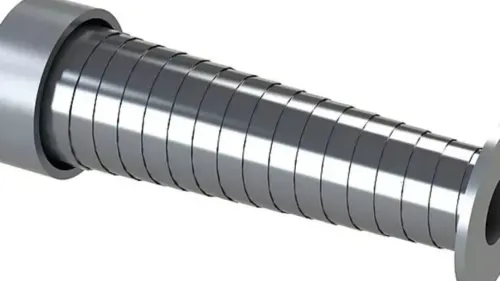
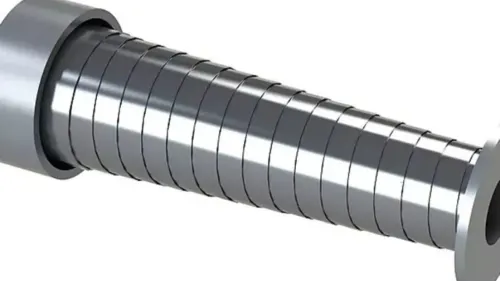
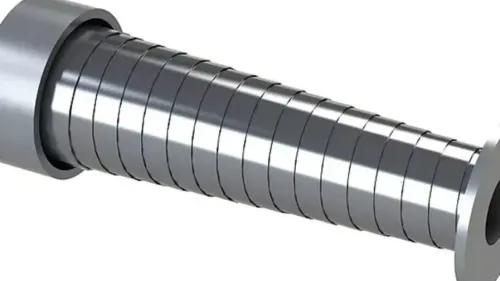
| Telescopic steel covers | Hot chips, heavy swarf, welding spatter and high-volume coolant | Heavier, needs more installation space and adds moving mass |
| Fabric bellows | Dust, light chips, splash and general contamination | Fabric, coating, thread, adhesive and frame must suit coolant, cleaners and temperature |
| Apron covers | Long horizontal travel where chips and splash need a flexible sliding barrier | Requires correct overlap, support and clearance; it is not automatically a sealed enclosure |
Telescopic steel covers need drainage. Give coolant and debris a route out of the overlapping panels; pooling increases corrosion, weight and seal wear. Check the added mass against the axis drive and acceleration.
A fabric bellows that handles dust is not automatically suitable for hot, sharp chips. “Oil resistant” is too vague: verify compatibility with the named coolant, cleaning chemical and operating temperature.
Review the complete assembly, not only its material. Ingress occurs at end frames, overlaps, wiper transitions, folded corners, mounting gaps and cable or lubrication penetrations. A way cover also is not an operator-safety guard unless separately designed and validated for that purpose under ISO 14120.
Measure the guideway and its complete movement envelope
Before ordering, measure the horizontal or vertical linear guide in its installed position, including the complete cover movement envelope rather than the rail length alone. Record the guideway travel length, the fixed and moving mounting points, and every nearby object that could be struck during motion.
1. Measure the guideway travel length from the carriage’s rearmost to foremost position. Record the carriage, table, tooling and any overhanging load that moves with it.
2. Measure the required linear guide cover dimensions: available length, width, height and lateral clearance on both sides of the guide. Include the end frames, mounting brackets, wipers, lubrication lines and cable carriers.
3. Measure the cover retracted length with the cover fully compressed or folded. Check its height, folded width and end-frame locations; a compressed cover can collide with the carriage, access panel or adjacent axis.
4. Measure the cover maximum extension and compare it with the guideway travel length. Include the fixed and moving attachment points, not just the distance between rail ends.
5. Move the machine through its full stroke and mark collision zones at both ends and at intermediate positions. Check tooling access, maintenance panels, cable or lubrication penetrations, and the required mounting orientation.
For a vertical guide, measure the envelope above and below the carriage because gravity changes where the folded cover occupies space. Review the complete assembly in both states; a cover is not hermetically sealed, so gaps at end frames, overlaps and penetrations also need deliberate placement.
Match construction, seals and drainage to the working environment
Match cover construction, seals and drainage to actual temperature, chemical exposure, particle shape and liquid flow—not to travel alone. A fabric bellows can suit dust and splash, but its fabric, coating, thread, adhesive and frame must pass bellows material compatibility checks against coolant, cleaner and operating temperature.
“Oil resistant” alone is not enough; obtain limits for every layer.
| Environment | Construction and sealing choice | Main failure if mismatched |
|---|---|---|
| Fine abrasive dust | Reinforced bellows, scraper or labyrinth sealing; consider positive-pressure enclosure | Particles penetrate folds and abrade guides and seals |
| Hot, sharp chips or welding spatter | Steel telescopic or apron cover with heat-resistant joints and chip-shedding surfaces | Fabric burns, cuts or loses flexibility |
| Coolant and cutting oil | Coolant-resistant cover with chemically compatible coating, thread, adhesive and wipers | Swelling, delamination or leakage |
| Heavy liquid exposure | Overlapping panels, continuous end seals and a defined drainage path | Pooled fluid causes corrosion, added weight and seal wear |
Treat linear guide wipers and end seals as wear components, not permanent barriers. Match their material, preload and geometry to the guideway: excessive preload raises drive force and accelerates wear, while weak contact lets coolant and chips pass underneath.
Check the complete assembly, including overlaps, mounting gaps and penetrations, because a cover is not hermetically sealed. Slope telescopic covers so coolant and debris leave the panels instead of collecting inside them.
Check speed, acceleration, interference and maintenance
Confirm the cover’s dynamic rating against actual axis motion, not a static extension test. Compare cover speed and acceleration, linear guide cover cycle frequency, stroke length, and the number of folds or telescoping stages with the machine’s duty cycle.
A static pass can still end in fatigue, cracked folds, panel impact, or worn wipers on a high-cycle axis.
- Ask for rated speed, acceleration, cycle frequency, and service life at the specified stroke. Reject a rating that omits any of these values.
- Check the mounting and support so acceleration, deceleration, and folding do not impose significant side loads or moments on the guide. The guide must carry the machine load; the cover mounting must not correct guide misalignment.
- Include telescopic cover moving mass in the axis calculation. Steel covers suit heavy or hot swarf, but their mass can increase drive demand, stopping distance, and support forces.
- Move the cover through the complete stroke in the machine model, checking retracted and extended positions for collisions with tooling, guards, cables, lubrication lines, and access panels.
- Verify cover maintenance access: inspect the wipers, reach lubrication points, and confirm that you can remove the cover without disturbing guide alignment.
Specify inspection intervals and the replacement condition for wipers, folds, panels, or seals. A cover that takes hours to remove can cost more through delayed maintenance and guide contamination than it saves at purchase. Obtain the replacement basis in operating cycles, visible wear, or loss of protection—not a vague promise of durability.
Turn the selection into a supplier-ready specification
A protective cover for linear guides specification must let a supplier verify fit, loads, protection and service without reconstructing your machine. Send one controlled package containing the following:
- A dimensioned linear guide cover drawing showing fixed and moving mounting points, clearances, travel limits, retracted and extended dimensions, mounting orientation and all nearby collision zones.
- The guide’s load path, plus cover support details, so acceleration, deceleration and repeated folding do not transfer side loads or moments into the guide or disguise guide misalignment.
- Contamination and temperature data: chip shape and temperature, coolant or oil type, grinding dust, welding spatter and any cleaning chemicals.
- The complete assembly layout, including end frames, overlaps, wipers, folded corners, mounting gaps, lubrication lines and cable penetrations. These are common ingress paths; material alone does not prove sealing.
- Drainage requirements for telescopic covers, with slopes and outlets that prevent coolant or chips pooling between panels.
- Maintenance access, inspection interval, lubrication access, wiper replacement method and whether removal preserves guide alignment.
- Expected service life, wear-part replacement basis and the conditions for a machine cover replacement.
State that the cover is not an operator-safety guard unless separately designed and validated to ISO 14120. Give this same package to each bidder, including SCUTES INDIA PRIVATE LIMITED, so you can compare drawings, exclusions, replacement work and total installation effort rather than purchase price alone.
Related products
 | TELESCOPIC COVERS A telescopic cover protects guide-way surfaces and components of moving axis of machines. View product → |
 | TELESCOPIC SPRING COVER Telescopic Spring Covers provide protection under extreme conditions. View product → |
Frequently asked questions
How do you choose a protective cover for linear guides?
Start with the contamination and heat exposure, then select a cover type that suits swarf, dust, coolant, welding spatter or other hazards.
What measurements does a supplier need for a linear guide cover?
Provide the guideway dimensions and its complete movement envelope, including travel, compressed length, extended length and surrounding clearances.
Which construction and sealing details matter in a guideway cover?
Match the cover material, construction, seals and drainage to the working environment, including coolant, oil, chips, heat and fine dust.
What motion information must you check before specifying a cover?
Check maximum speed, acceleration, interference with nearby machine parts and the access needed for inspection, cleaning and replacement.
Related products
 | Machine Covers Machine covers are specially designed shields used to protect industrial equipment and machinery from environmental elements. View product → |
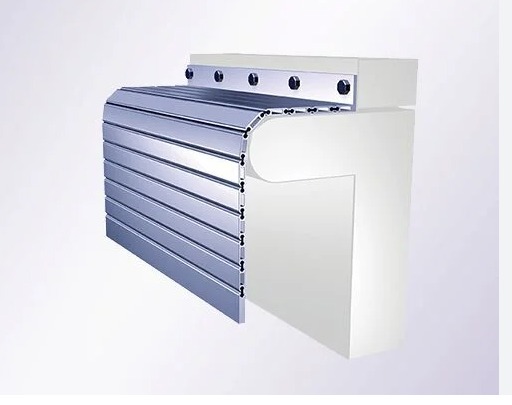 | APRON COVER Effectively engaged in offering a vast collection of outstanding quality products which include Apron Covers. View product → |
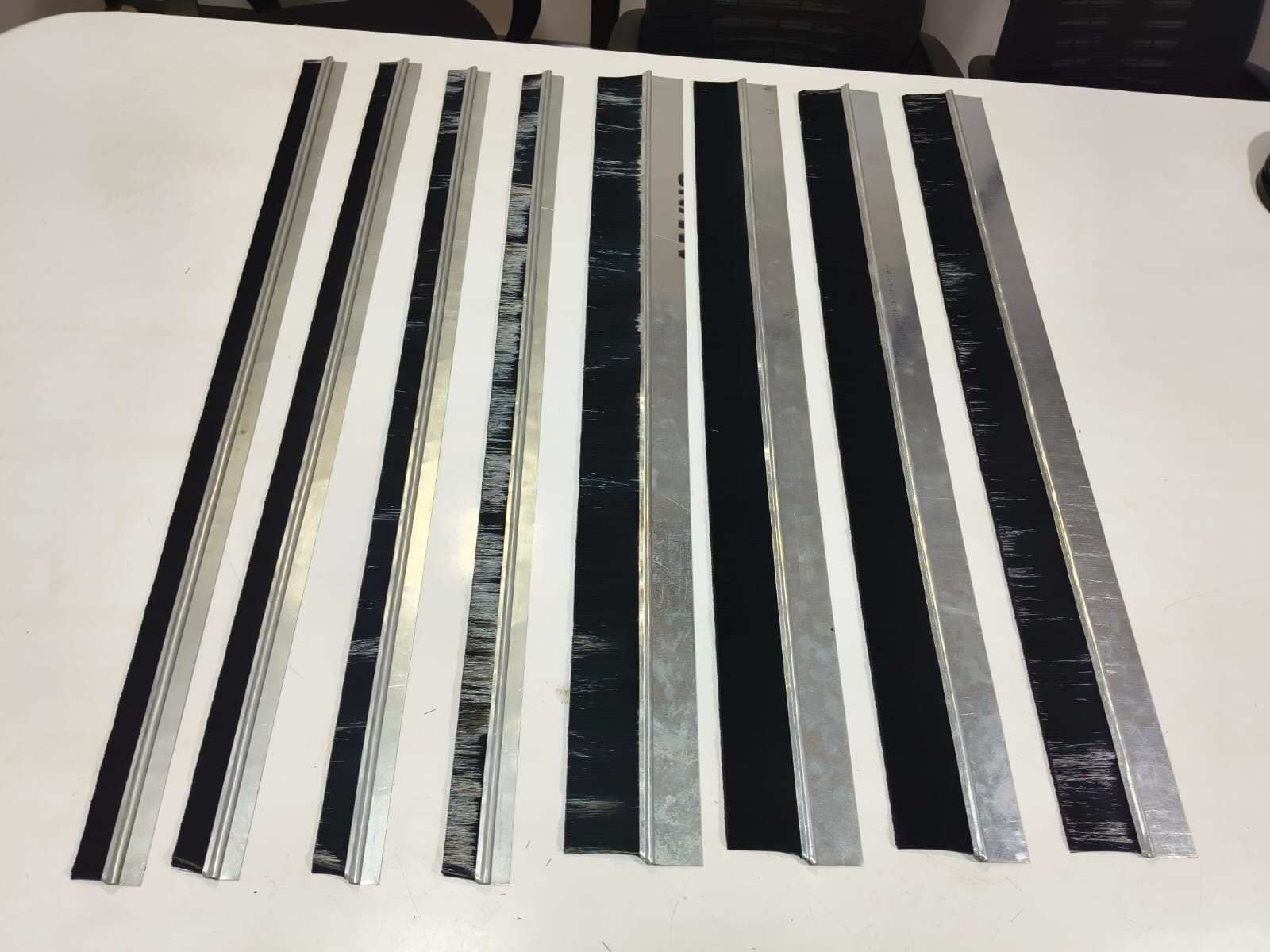 | NYLON AND METAL BRUSH WIPER Our Nylon and Metal Brush Wipers are high-performance industrial cleaning components designed for efficient wiping, cleaning, and surface finishing... View product → |