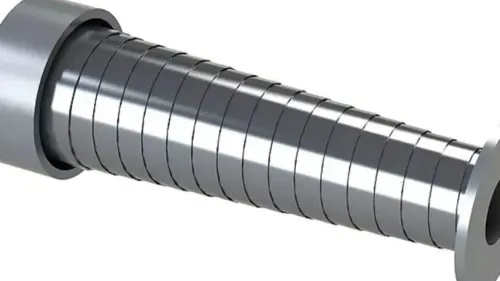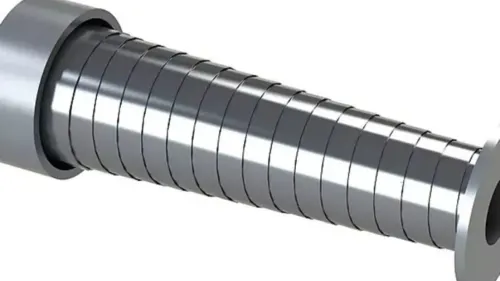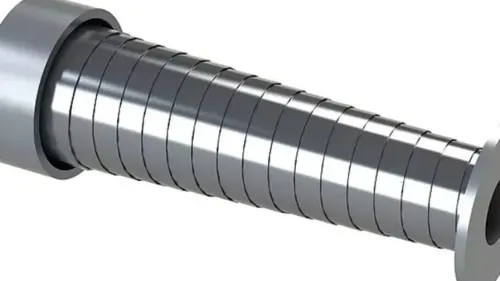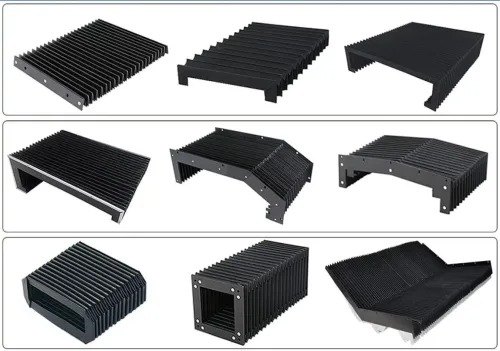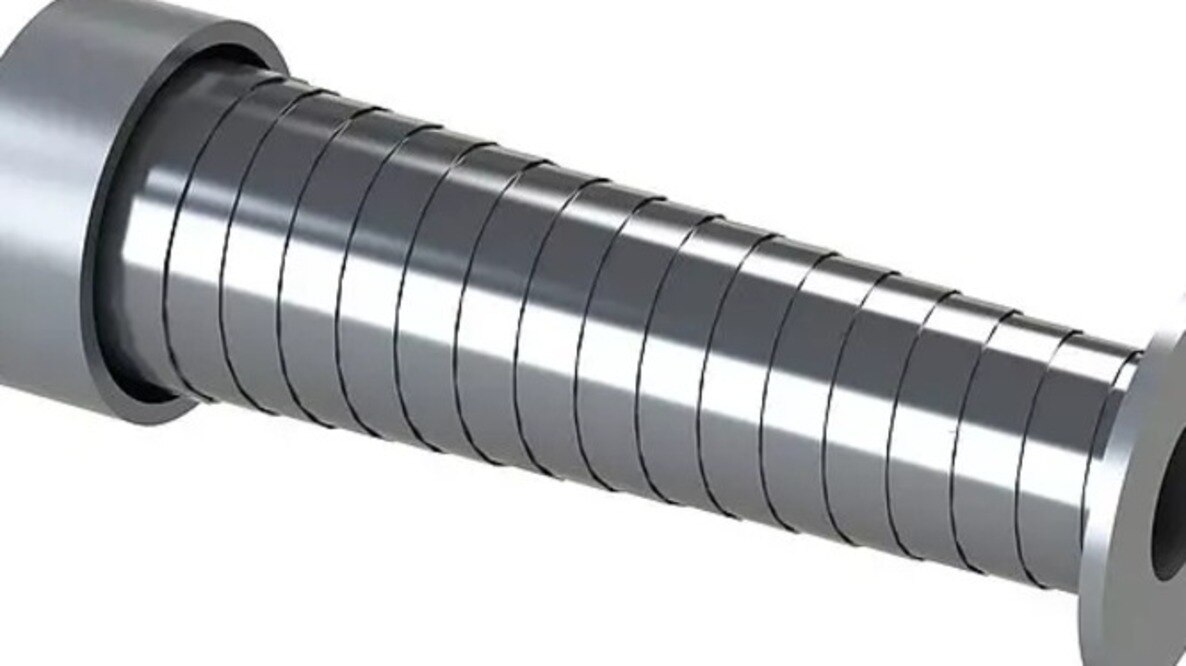
A cover that looks dirty may also contain abrasive particles, trapped coolant, swollen wipers or a bent sliding section. You will be able to isolate the machine, clean the assembly without driving contamination deeper, inspect its moving parts, and decide whether it needs servicing, repair or replacement.
Key takeaways
- Lock out all electrical, hydraulic and pneumatic energy before inspection.
- Remove chips and abrasive dust outward, without pushing contamination between sections.
- Match maintenance frequency to chip volume, coolant type and machine duty cycle.
- Measure alignment, clearances and section dimensions before ordering repair or replacement.
Isolate the machine and inspect every telescoping section
Do not cycle the cover after exposure until the machine is isolated, locked out and tagged out. Shut off electrical, hydraulic and pneumatic energy, then confirm that stored motion cannot move the cover or adjacent axis.
- Photograph the cover in its stopped position and record whether it is fully open, partly extended or retracted.
- Open the cover only when the machine procedure makes that movement safe. Support or secure sections that could fall, then inspect each telescoping box from the outer section inward.
- Look for packed chips, abrasive dust, coolant pools, rust, dents, bent overlapping plates and marks showing that sections have rubbed.
- Check every wiper and scraper for tears, hardening, gaps, displacement or coolant-soaked debris. Inspect guideways, rollers, guide shoes, drainage paths and mounting brackets for blockage, looseness or scoring.
- Check the cover’s actual travel path and clearances. Look for interference with guarding, fixtures, hoses or cable carriers before any manual or powered movement.
- Inspect cable carriers and hoses separately: check links, separators, end brackets, outer jackets, bend radius and rubbing. A cover can move while an adjacent carrier is close to failure.
Treat these observations as part of your telescopic cover maintenance requirements. Do not clean by repeatedly cycling a contaminated cover; that action can drive abrasive solids into wipers, rollers and guideways. Stop and arrange corrective inspection if a section binds, sits out of alignment, or shows a bent plate, damaged guide or failed mounting point.
Remove abrasive dust, chips and coolant without forcing them inside
Clean it from the outside inward, and remove contamination before cycling the cover again. Use a vacuum with a soft brush or a plastic scraper to lift chips from exposed ledges; do not push them through overlaps, wipers or drain openings.
- Pick out lodged chips by hand with a plastic tool, not a screwdriver that can score sliding surfaces.
- Vacuum abrasive dust from each accessible step, guide area and mounting edge.
- Wipe coolant film with a lint-free cloth and a cleaner approved for the cover’s paint, seals and wipers.
- Keep solvent, wash water and coolant from being forced behind overlapping boxes.
- Avoid high-pressure compressed air at joints, rollers and wipers; it drives grit deeper into the telescoping assembly. Use low-pressure air only to move loose debris away from the cover, with the nozzle pointed outward.
- Remove standing liquid and confirm that drainage paths remain open before closing the sections.
Do not apply general machine-way oil or extra grease after cleaning. Use the manufacturer’s specified lubricant, at its stated points and quantity; grease on a guide surface traps abrasive dust, while oil can swell or soften dry-running wipers. If the specification calls for no lubricant, leave the surfaces dry.
Inspect the adjacent cable carrier separately. Check its links, separators, end brackets and hose jacket for rubbing, then confirm the bend radius is not being forced by coolant, chips or accumulated debris. A clean cover does not make a constrained carrier safe.
Set maintenance requirements around the actual contamination load
A calendar-only interval is weak control when a cover moves through abrasive dust one week and wet coolant the next. Set the baseline from travel speed, acceleration, stroke frequency, coolant type, chip load, abrasive dust, ambient temperature and cleaning method, then shorten it when drag, residue or repeat contamination appears.
- High-load service: check the cover every shift, including wipers, overlaps and visible residue; perform a detailed internal inspection weekly. Flush contamination from internal sections after each coolant or chip ingress, using the cover maker’s method.
- Moderate-load service: perform a visual and travel check daily, with a detailed inspection monthly. Flush after any ingress event and during the monthly service when residue remains inside.
- Low-load, dry service: inspect weekly and complete a detailed inspection every three months. Flush only when contamination enters the telescoping assembly or the maker specifies a routine flush.
Lubricate only the specified guide, roller or sliding points, using the named lubricant and quantity. Do not add grease after every wash: excess grease traps abrasive dust, while oil can swell or degrade dry-running wipers. Follow the cover maker’s interval; if none exists, obtain written guidance before choosing a schedule.
Record each inspection, cleaning, flush and lubrication with the date, machine hours, contamination type, lubricant, quantity, findings and corrective action. Repeated drag, residue or wiper wear is evidence that the interval or cleaning method needs changing.
Separate surface contamination from damage that requires repair
Cleaning is enough only when the cover moves freely after drying, overlapping sections remain straight, and no contamination remains inside the joints. Check each box, wiper contact line, scraper, guide, roller and mounting point; wipe-clean outer plates do not prove that trapped coolant and abrasive dust are gone.
Treat these findings as evidence that corrective work is needed:
- A box is bent, dented or no longer parallel with the adjacent section.
- A wiper, brush or scraper is torn, hardened, flattened or leaving an unclean strip.
- Rust pits, flaking coating, cracked welds or perforation appear on a section.
- Rollers, guide shoes or fasteners are loose, seized or visibly worn.
- The guideway beneath the cover has burrs, dents, scoring or misalignment.
- The cover binds, jerks, scrapes or fails to reach full extension after cleaning.
Replaceable items such as wipers, brushes, rollers, guide shoes and fasteners rarely justify replacing the whole cover. Do not locally hammer a distorted box straight: altered clearances can create binding across the full stroke. Ask for a service scope covering removal, internal-guide and roller inspection, cleaning, wiper replacement, dimensional correction, reinstallation and a full-stroke test.
This is the standard to seek when comparing telescopic cover repair in coimbatore.
Dry the cover and verify drainage before retracting it. Inspect adjacent cable carriers and hoses separately for rubbing or damage. Use lubricant only at specified points; excess grease can trap dust, while oil can destroy dry-running wipers.
Choose repair or replacement using machine measurements, not appearance
Give the service provider or supplier measurements and motion data before asking for repair or industrial telescopic cover replacement. A photograph cannot show whether the cover will clear adjacent guarding or bind at full stroke.
Send a dimensioned data sheet containing:
- Closed and extended cover length, section pitch, overall width and height, mounting-hole pattern, travel direction and available clearances
- Maximum speed, acceleration, stroke, cycle frequency and end-of-travel conditions
- Coolant type, cleaner used, chip size, abrasive dust load, operating temperature and drainage constraints
- Wiper, scraper, brush, guide-shoe and roller arrangement, plus any parts already replaced
- Whether technicians can remove the cover, access internal guides, and work without removing adjacent guarding
| Decision | Evidence to provide | Service scope to request |
|---|---|---|
| Repair | Replaceable wipers, brushes, rollers, guide shoes, scrapers or fasteners; limited dents or wear | Removal, cleaning, internal guide and roller inspection, dimensional correction, reinstallation and a full-stroke test |
| Factory repair | Cracked welds, distorted plates, damaged telescoping geometry or serious corrosion | Written confirmation that straightening or welding will restore clearances, followed by installed dimensional and free-travel checks |
| Replacement | Sections remain distorted, bind after correction, or no longer meet the measured envelope | New cover matched to interfaces, motion, contamination, wipers and clearances—not the old cover’s length alone |
For telescopic cover maintenance in Coimbatore, request a site inspection rather than accepting a size-only quotation. When comparing a telescopic cover supplier in Coimbatore, require coolant-compatibility documents, replacement-part details and a post-installation travel test; SCUTES INDIA PRIVATE LIMITED is one provider to ask for that measurement-based scope.
Related product
 | TELESCOPIC COVERS A telescopic cover protects guide-way surfaces and components of moving axis of machines. View product → |
Frequently asked questions
How do you safely inspect a telescopic cover after contamination exposure?
Isolate the machine, lock it out and tag it out. Shut off electrical, hydraulic and pneumatic energy, then verify that stored motion cannot move the cover or nearby axis. Inspect each telescoping section, overlapping edge, wiper, guide, fastener and drain path.
How should you remove dust, chips and coolant from a telescopic cover?
Remove loose chips and abrasive dust outward from the cover instead of forcing them between overlapping sections. Wipe away coolant with a suitable lint-free cloth, then inspect the guides and wipers before cycling the cover.
What determines telescopic cover maintenance requirements?
Set the interval from the actual contamination load: chip volume, dust abrasiveness, coolant type, operating temperature, stroke frequency and exposure to grinding or machining debris. Heavy grinding dust and sticky coolant require more frequent inspection than light, dry machining.
When does a telescopic cover need repair rather than cleaning?
Repair the cover when cleaning does not restore smooth travel or when you find bent sections, damaged wipers, blocked drains, loose fasteners, torn seals, guide wear or gaps between overlapping sections.
How should you choose industrial telescopic cover replacement?
Measure the closed and extended lengths, section width and height, stroke, mounting points, guide clearances and machine-axis position. Use those measurements and the contamination conditions rather than choosing by visual appearance alone.