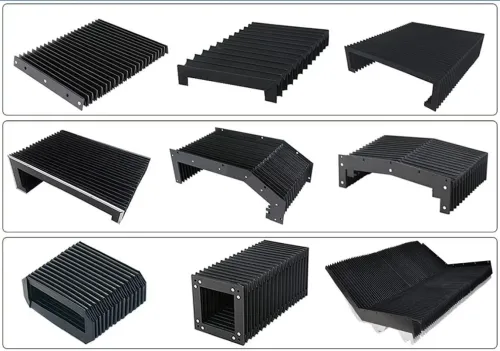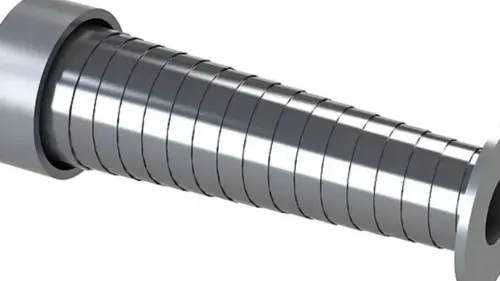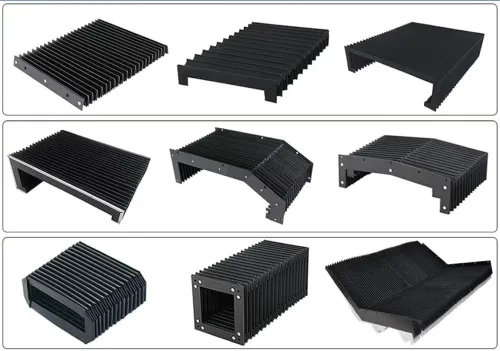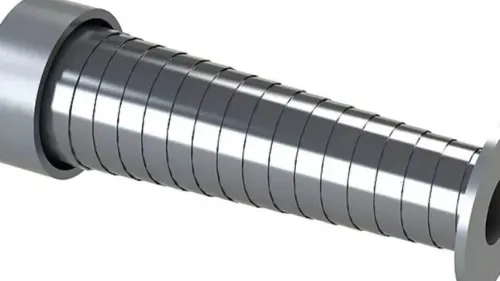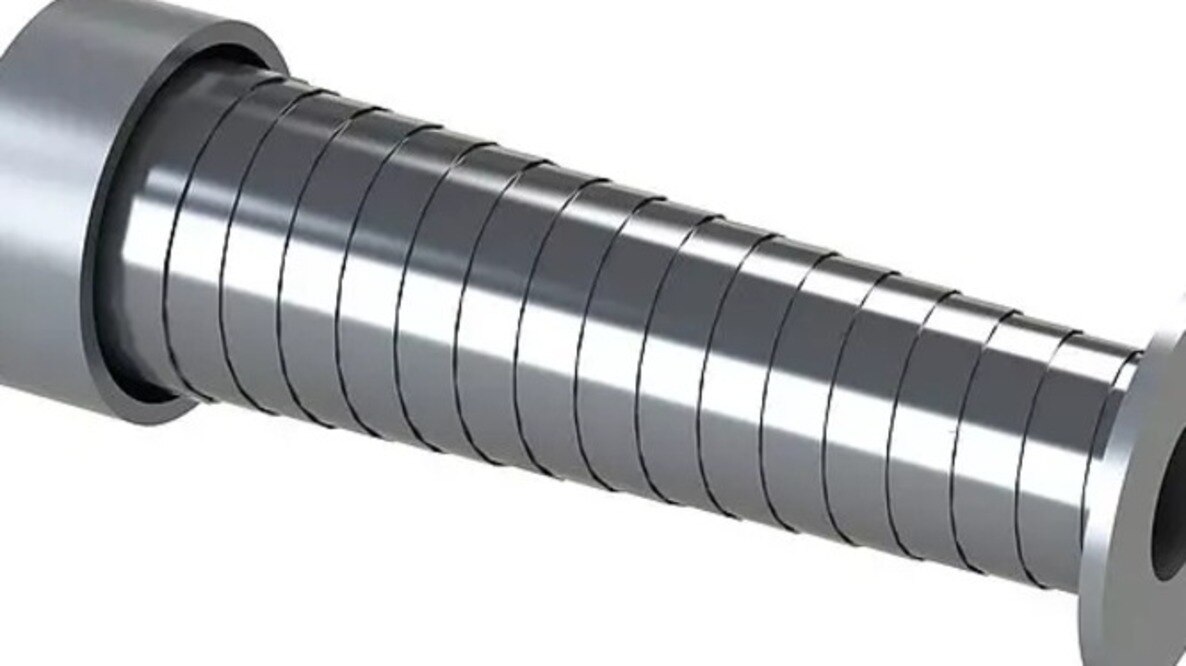
Rain is only one source of moisture around a machine: humidity, condensation, washdown, wet chips and splashback can carry water into a telescoping assembly and toward the guideway. By the end, you will know how to inspect a cover, identify installation and material risks, and specify a machine spring cover for Bengaluru service without treating “weatherproof” as a measurable requirement.
Key takeaways
- Inspect seals, overlaps, drain paths and mounting before the wet season.
- Keep the cover level and remove chips that hold contaminated water.
- Specify corrosion-resistant materials for rain, coolant, oil and metal fines.
- Match cover travel, speed and clearance to the guideway’s actual movement.
Why Bengaluru monsoon moisture is more than direct rainfall
Rain is only one part of telescopic spring cover monsoon conditions in Bengaluru. June–September southwest-monsoon showers and October–December northeast or post-monsoon rain repeatedly wet the cover, guideway surroundings and machine base. High humidity then slows drying, while dust, metal fines and urban residue turn remaining water into a corrosive film.
Moisture exposure continues after the cloudburst:
- Wind-driven rain and spray settle on cover overlaps, wipers and end seals.
- Wet chips and dirt carry water into telescoping pockets as the sections close.
- Washdown water reaches surfaces that falling rain never touches.
- A cool, wet night or a warm machine after shutdown creates condensation on internal metal surfaces.
- Parked water remains in channels and pockets, especially when drainage is blocked.
Horizontal covers shed rain more effectively than vertical or inverted covers, but their pockets can still hold water when the machine stops. Check the parked position, not only the operating position, when assessing drainage.
Telescopic spring cover rain protection is a water-shedding and exclusion function, not automatically a watertight enclosure; overlap, wiper contact, end sealing and mounting orientation decide how much moisture reaches the guideway. Retained water also traps contamination against spring strips, where scratches, cut edges and crevices can start corrosion even without another rain event.
How water reaches the guideway despite a spring cover
Rain does not need to pass through the metal panels to reach the guideway. It can enter through open ends, worn wipers, gaps at overlapping sections, incorrect mounting, or a low pocket that holds water inside the cover.
Water carried by chips can also cross the cover’s edge and drag coolant and abrasive fines into the moving joints.
| Path | How water enters | What reaches the guideway |
|---|---|---|
| Open ends and end seals | Exposed ends, loose seals or incorrect end plates admit wind-driven rain and washdown spray | Rainwater, coolant mist and dirty splash |
| Overlaps and wipers | Worn wipers, distorted sections or insufficient overlap leave a capillary route between nested boxes | Water mixed with dust, chips and metal fines |
| Mounting and drainage | Poor leveling, sagging or blocked drain holes create a low pocket inside the cover | Standing water that leaks during machine travel |
| Machine process contamination | Wet chips, coolant on the slide, and splashback are carried under edges during cutting or cleaning | Neat or water-soluble coolant plus abrasive sludge |
| Condensation | A cool cover warms after a humid night, or a wet machine dries unevenly after washdown | Internal droplets on surfaces that direct rain never touches |
This is why spring cover moisture protection is a water-shedding strategy, not proof of a watertight enclosure. Retained water is the greater threat: it keeps dust and coolant against coils, wipers and guideway surfaces after the rain stops.
Ventilation and a drainage path help, but they cannot compensate for a damaged seal or water discharging directly onto the guideway.
What to inspect before and during the wet season
Inspect before the June–September rains and repeat the check before the October–December period; Bengaluru’s wet exposure does not end with one monsoon. A machine spring cover in Bengaluru is losing moisture protection when water remains inside nested sections after a shift instead of draining in its installed position.
Condensation after a cool night or washdown deserves the same attention as rain.
Check for these warning signs:
- Rust at spring coils, strip edges, cut ends, fasteners or overlap joints. Stainless steel resists atmospheric corrosion but does not prevent crevice corrosion.
- Trapped water, wet dust or coolant sludge between nested sections, inside channels or beneath the wiper.
- Blocked, missing or poorly positioned drain openings, especially where discharge falls onto the guideway.
- Torn, hardened or lifted wipers, open end gaps, distorted sections and uneven overlaps.
- Grinding, scraping, rattling or jerky travel, followed by incomplete extension or retraction. Moisture-bound debris can increase resistance before visible corrosion becomes severe.
| Symptom | What it indicates | Check next |
|---|---|---|
| Rust staining | Coating damage or retained contaminated water | Inspect edges, scratches and cut ends |
| Water after shutdown | Poor drainage, sagging or a low pocket | Verify level and the complete drain path |
| Noisy or short travel | Debris, corrosion or distorted sections | Stop the machine and inspect overlap and guideway |
A clean exterior does not clear the cover: open ends and hidden condensation can leave the protected guideway wet. Record photographs before cleaning so recurring entry points remain identifiable.
How installation and daily use control water retention
Set the cover so water leaves it, not the guideway. Horizontal mounting gives the best telescopic spring cover rain protection, but incorrect levelling can create a sump inside nested sections. Fit overlapping boxes, wipers and end seals without gaps, distortion or excessive compression; a tight seal that drags can lift during travel and admit spray.
| Orientation | Water-retention risk | Installation and parked-position control |
|---|---|---|
| Horizontal | Sheds rain, but pockets can hold water when parked | Level the cover, provide a positive drain, and confirm discharge misses the guideway |
| Vertical | Runoff can collect at the lower end | Seal the lower end and route drainage away from the guideway |
| Inverted | Highest risk of water sitting on overlaps and wipers | Avoid this orientation unless drainage and sealing are proven under washdown |
During telescopic spring cover usage, control the conditions that turn retained water into corrosion:
- Position drain openings at the lowest installed points, keep them clear of chips and sludge, and never aim them at the protected slide or shaft.
- Match travel speed, acceleration, stroke and cycle frequency to the cover. Reduce shock, vibration and abrupt reversals that slap sections, lift wipers or move water into gaps.
- After washdown, a cool night or heavy rain, inspect internal surfaces for condensation and leave a safe ventilation route rather than trapping humid air.
- Wipe standing water from pockets, clean seals and wipers, and remove wet chips; repair scratches, damaged coating, cut edges and rust before corrosion reaches the spring strips.
How to specify a cover for wet, coolant-contaminated service
Specify the machine spring cover in Bengaluru as a water-shedding assembly, not a vaguely “weatherproof” product. Spring cover moisture protection depends on the strip, coating, wiper contact, overlap, drainage and operating limits working together.
| Specification | Compare | What to demand |
|---|---|---|
| Material | Coated carbon spring steel versus stainless spring steel | Name the grade and coating system; stainless resists atmospheric corrosion but does not prevent crevice corrosion or chloride pitting. |
| Finish | Coating thickness, edge coverage and cut-end protection | Request coating information and a corrosion-test reference such as ISO 9227; inspect how scratches and exposed edges are repaired. |
| Wiper | Nitrile, polyurethane or another compound | Obtain compatibility with your coolant, tramp oil, alkaline cleaner and washdown chemical, plus replacement-wiper availability. |
| Geometry | Overlap, box pitch, end seals and mounting orientation | Choose sloped, drainable sections with no water-trapping pockets; confirm travel does not open a gap at full extension. |
| Performance | Travel speed, acceleration and cycle frequency | Get maximum values in millimetres per second and metres per second squared, not “high speed.” |
| Service conditions | Horizontal, vertical or inclined installation | Require the permitted orientation, drainage arrangement and inspection access. |
For telescopic spring cover monsoon conditions in Bengaluru, ask for evidence against repeated wetting, retained dust and coolant residue—not just direct rainfall. SCUTES INDIA PRIVATE LIMITED can be asked to document these values for the proposed configuration, including the wiper compound and replacement interval. Condensation after washdown still requires drainage and inspection.
Related product
 | TELESCOPIC SPRING COVER Telescopic Spring Covers provide protection under extreme conditions. View product → |
Frequently asked questions
Why do Bengaluru monsoon conditions affect telescopic spring covers?
Southwest-monsoon rain from June to September and post-monsoon rain from October to December repeatedly wet covers and machine bases. High humidity slows drying, while dust and metal fines create a corrosive residue.
How does water reach a guideway behind a telescopic spring cover?
Water can enter through gaps at overlaps, end seals, mounting interfaces and damaged sections. Splash from the machine base or nearby coolant also reaches the guideway when the cover lacks a suitable slope or drainage path.
What should you inspect before and during Bengaluru’s wet season?
Check overlaps, seals, fasteners, bellows or spring sections, drainage, corrosion, dents and chip buildup before the rains. During use, remove trapped debris and inspect for standing water, restricted travel and new gaps.
How should you specify a telescopic spring cover for wet, coolant-contaminated service?
State the travel, closed and extended dimensions, speed, acceleration, temperature, coolant or oil exposure, chip type and cleaning method. Request corrosion-resistant construction, suitable seals, drainage and clear maintenance access.