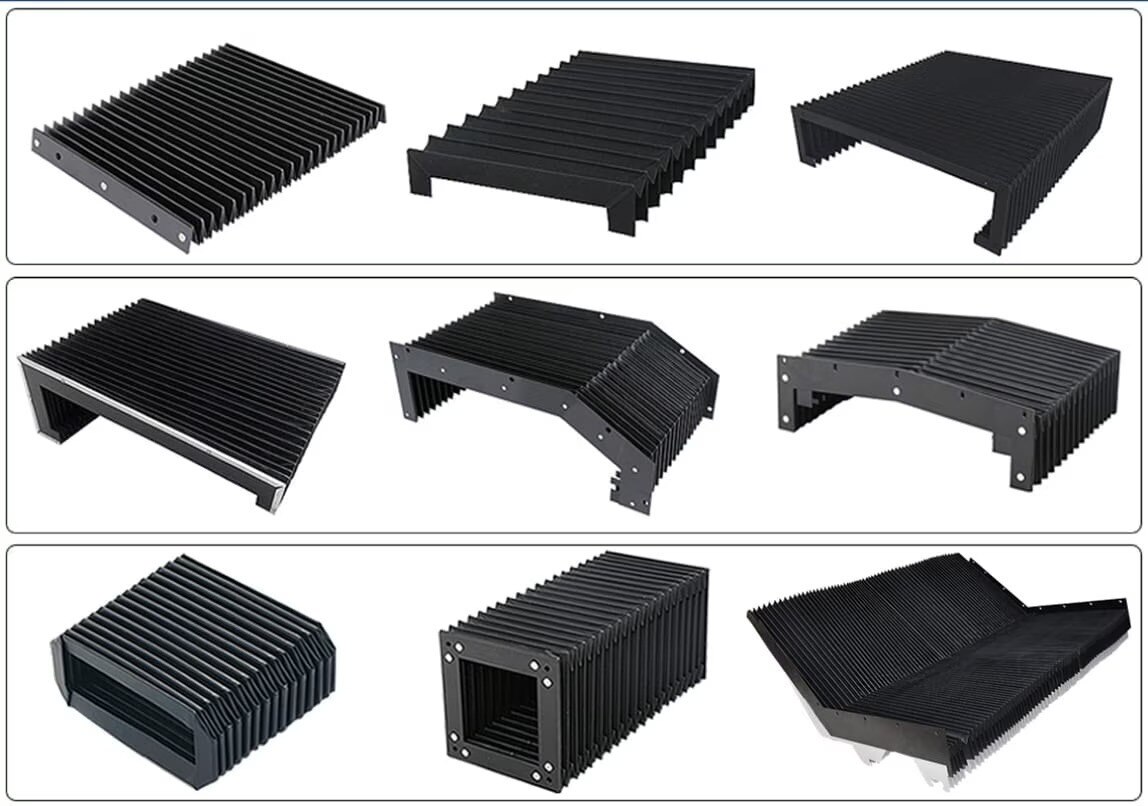
A metal wiper seal works at the moving boundary where chips, coolant and abrasive debris could enter a guideway, cover joint or bearing area. By the end, you will be able to identify the machine-tool locations that benefit from one, distinguish it from other protection components, and specify the profile without creating unnecessary friction or wear.
Key takeaways
- Use metal wipers where overlapping covers face chips, coolant and repeated telescoping travel.
- Match the wiping edge to chip shape, coolant exposure and direction of cover movement.
- Specify contact force and clearance to seal the joint without excessive drag.
- Inspect the lip, mounting body, contact track and fasteners before retrofitting.
What a metal wiper seal actually does at a moving joint
A metal wiper seal is a contact scraper installed at a moving joint, usually where overlapping sections of a telescoping machine-tool cover meet. Its mounting body holds a sealing lip or wiping edge against the opposing contact surface, so the edge stays engaged as the cover extends and retracts.
This is a metal wiper seal for machine tools, not a pressure seal: it limits entry at the joint but cannot replace an enclosed way-cover system.
As the axis travels, the edge pushes chips and coolant away from the gap and helps keep contamination off the guideway or bearing surface. The same principle applies beyond cover joints, including guideway interfaces and screw openings.
A metal-backed brush wiper uses flexible bristles rather than a solid scraping edge; it suits lighter contamination, while a metal edge handles hot or sharp chips that could cut or embed in an elastomer lip.
The wiper moves contamination away; it does not remove material already collected on the cover. Give the cover slope and drainage a clear path, or packed debris can be driven through the contact line during reversal or rapid travel.
Dents, misalignment, incorrect preload, a rounded edge or corrosion can break contact, so inspect the cover and mounting as well as the visible lip. Choose the assembly for the machine’s coolant, chip load, travel speed and cleaning method.
The machine-tool locations where metal wipers earn their place
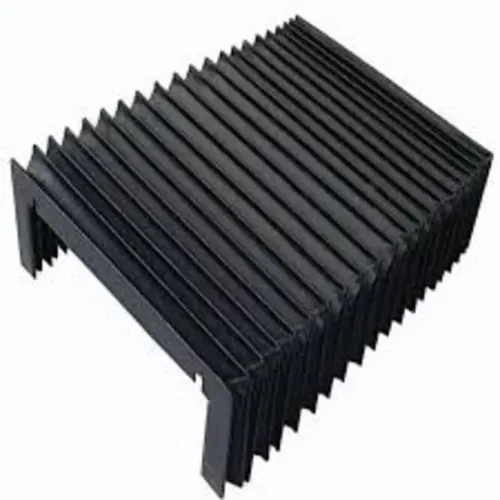
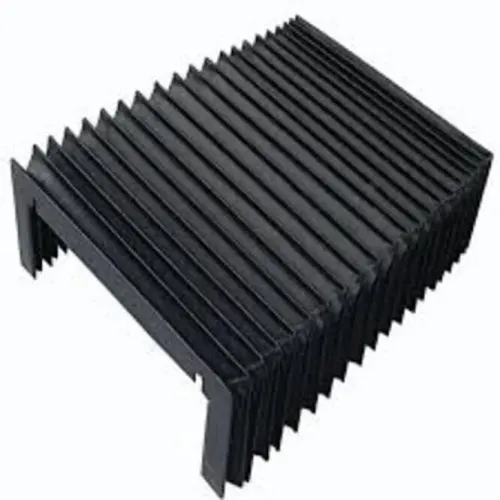
The main metal wiper seal applications are telescopic steel covers on CNC machining centres, turning centres, grinders and transfer machines. They earn their place where hot, sharp or heavy chips would cut, embed in or quickly wear a conventional elastomer lip.
Typical machine-tool locations include:
- Interfaces between overlapping boxes of a telescopic cover, where the wiper stays in contact as sections extend and retract.
- Linear guideway and slideway cover edges, especially beside axes exposed to coolant, cutting oil, abrasive dust or grinding swarf.
- Carriage and saddle edges, where axis travel moves contamination toward bearings, rails or precision slide surfaces.
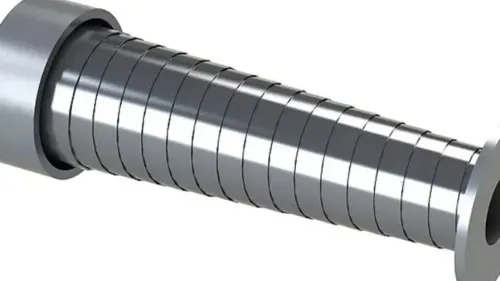
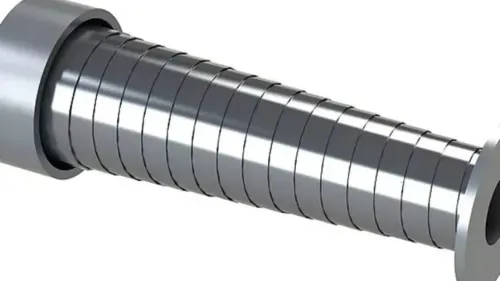
- Screw and shaft interfaces, when the surrounding cover design provides a suitable wiping path and mounting surface.
- Enclosure openings around moving machine components, where a scraper limits debris reaching an enclosed mechanism.
The cover geometry, overlap and wiper preload must be designed as one system. A misaligned cover, dented panel or wrongly loaded blade can score the mating surface or leave a path for chips.
A metal wiper is a contact scraper, not a pressure seal. It cannot replace a fully enclosed way-cover system, and it does not remove debris from the cover itself. Provide slope, drainage and chip evacuation; packed chips at the wiper line can be forced through during reversal or rapid travel.
Inspect the mounting, alignment and cover panels as well as the visible wiping edge.
Why chip type, coolant and travel direction change the choice
A metal wiper is most useful when hot, sharp or heavy chips threaten to cut or embed in an elastomer lip. These metal wiper seal applications include telescopic steel covers on CNC machining centres, turning centres, grinders and transfer machines. Chip load, coolant chemistry, travel speed and axis direction must be assessed together.
| Condition | Metal wiper fit | Better or additional choice |
|---|---|---|
| Hot, sharp chips on a horizontal cover | Strong fit at overlapping cover sections | Add slope, drainage and chip evacuation so debris does not collect at the wiper line |
| Fine abrasive grinding swarf | Use only with carefully designed lip geometry and a cleaning method | A labyrinth, brush arrangement or enclosed cover can exclude dust more effectively |
| High-speed axis with frequent reversals | Fit only if contact force and drag remain acceptable | A low-friction elastomer lip or non-contact labyrinth suits motion that cannot tolerate rubbing |
| Vertical axis exposed to coolant and light chips | Useful when the cover sheds fluid and debris away from the joint | A formed bellows or enclosed way cover may provide broader coverage |
| Accumulated chips at a telescoping joint | Poor choice if chips are forced through during reversal | Correct the cover geometry and evacuation path before changing the wiper |
A metal wiper seal for machine tools is a contact scraper, not a pressure seal. Keep the cover sections aligned, maintain designed preload, and direct coolant and swarf away from the contact edge; otherwise even a heavy-duty wiper becomes a funnel for contamination.
A brush wiper suits loose, irregular debris but usually offers less resistance to hot chips and cutting oil.
How to specify the profile without adding damaging drag
Specify geometry, material pairing, clearance and preload as one system; a dimensionally similar metal wiper seal for machine tools can still create excessive drag or score the cover.
| Feature | Match precisely | Why it matters |
|---|---|---|
| Mounting section | Retainer shape, fastener position and blade projection | A loose body shifts; excess projection raises contact pressure |
| Swept geometry | Contact angle, corner treatment, overlap and telescoping path | The edge must stay engaged through the full stroke without buckling |
| Clearance | Gap beneath the edge, cover runout and space for chip escape | Trapped chips act like grinding media and cut grooves into the mating surface |
| Pressure and materials | Preload, blade alloy, cover material, finish and coolant compatibility | A harder blade is not automatically safer; too much pressure increases drag and scoring |
For a replacement, measure the cover stroke, travel speed, section overlap and available clearance at both ends of travel. Check the wiper at corners, where a straight-profile replacement can lift, fold or collide with the adjacent box.
Choose the contact pressure for the contamination and motion:
- Use low preload for high-speed axes or fine abrasive dust, where drag and particle entrapment threaten accuracy.
- Use a more robust edge and controlled clearance for heavy or hot chips, but provide an escape route instead of crushing debris beneath the blade.
- Confirm that the blade suits the cover’s steel grade, surface finish, coolant and cleaning method; bending, misalignment or a damaged edge demands replacement rather than increased preload.
What to inspect before a replacement or retrofit
Inspect the telescopic cover, mounting and travel path before choosing a replacement; a visible worn lip may be the result of a bent panel, bad alignment or trapped chips rather than a failed seal alone.
1. Lock out the machine and clean the wiper line. Record dents, cracked welds, corrosion, rounded scraping edges and chips packed between overlapping cover boxes.
2. Move each cover section through its full stroke by hand. Check that the overlap stays consistent, the sections remain parallel and the wiper does not bind, lift or lose contact during reversal.
3. Measure the mounting gap and preload at several points. Excessive preload creates drag and edge wear; insufficient preload leaves a leakage path. Check the cover slope, drain route and chip evacuation path as well.
4. Identify the contaminant before selecting the profile. Hot, sharp chips in metal wiper seal applications demand a different contact arrangement from fine abrasive grinding swarf, which can enter the interface unless cleaning access and exclusion are adequate.
5. Choose a standard replacement only when the cover geometry, mounting face and travel remain sound. Request a custom machine-protection component when dents, irregular overlaps, restricted mounting space, unusual travel or repeated reversal failures prevent uniform contact.
SCUTES INDIA PRIVATE LIMITED can review the cover dimensions and failure location when a retrofit involves both the wiper and the telescopic-cover structure. A metal wiper will not correct a distorted cover or replace an enclosed, properly drained way-cover system.
Frequently asked questions
What does a metal wiper seal do at a moving machine-tool joint?
Its wiping edge stays against the opposing surface, scraping away chips, coolant and debris as the cover extends and retracts.
Where do metal wiper seals help protect machine tools?
They help at overlapping sections of telescoping machine-tool covers and other moving joints exposed to chips, oil or coolant.
How do chip type, coolant and travel direction affect metal wiper selection?
Sharp chips, abrasive fines, coolant chemistry and the direction of travel determine the edge material, profile, contact force and mounting orientation.
How can you specify a metal wiper seal without adding damaging drag?
Specify the contact geometry, surface condition, travel speed, required sealing duty and the lowest contact force that maintains continuous wiping.
What should you inspect before replacing or retrofitting a metal wiper seal?
Check the worn lip, mounting body, contact track, cover alignment, fasteners, available clearance and the source of chips or coolant entering the joint.