Wind-driven rain, floor splash, condensation and wet metallic debris can reach a laser machine’s guideways and motion components even when the main enclosure appears closed. You will be able to identify the right cover type, run a practical monsoon inspection routine and give a supplier the measurements needed for a safe fit.
Key takeaways
- Remove condensation and wet debris before each laser-machine startup.
- Match cover type to travel, heat, chips, coolant and available space.
- Specify travel, retracted length, material, seals and mounting dimensions.
- Use a spiral spring cover for narrow moving elements with limited clearance.
How Kolhapur monsoon conditions reach a laser machine
Kolhapur’s monsoon reaches a laser machine through wind-driven rain, floor splash, high humidity and overnight condensation. Water travels beneath nominal enclosures to guideways, ball screws, racks, cable carriers and electrical interfaces. Wet chips and coolant residue then accelerate corrosion and contaminate moving surfaces.
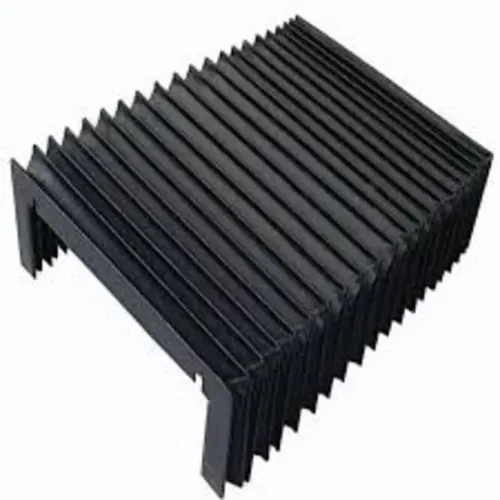
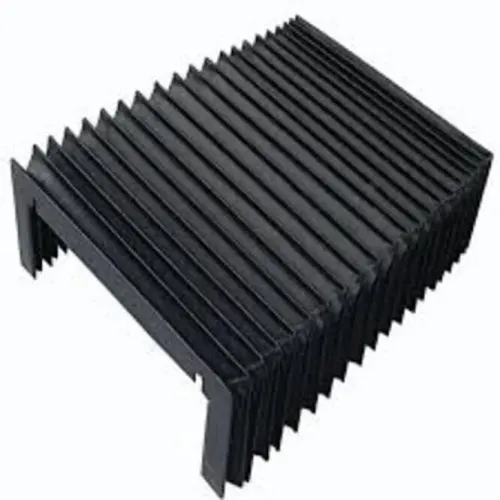
A telescopic cover addresses direct water, splash and debris ingress over exposed motion elements, but its design must match the machine’s axis arrangement, travel speed, heat and debris load.
| Hazard or problem | What a telescopic cover addresses | Separate control required |
|---|---|---|
| Wind-driven rain and floor splash | Shields guideways, racks, ball screws and cable carriers from directional ingress | Drainage, floor housekeeping and enclosure sealing |
| Wet chips, coolant and abrasive contamination | Keeps deposits away from moving surfaces and uses wipers to limit transfer | Correct coolant management and chip removal |
| Water retained between sections | Overlaps and wipers reduce entry during movement | Spray or splash-test the collapsed sections, wipers and brackets |
| Humidity and condensation | Does not dry air or prevent moisture forming on cold parts | Cabinet dehumidification, controlled warm-up and condensation management |
| Optical contamination, fumes and beam exposure | Does not replace the laser enclosure | Fume extraction, interlocked doors and beam-containment controls |
The search wording “telescopic cover for benefits laser machines monsoon in kolhapur” should not imply one standard cover suits every system. Fiber cutters, CO2 machines, welders and markers require separate checks for heat, access and motion. Request drawings, drains and cleaning instructions for telescopic cover monsoon protection in kolhapur.
The daily startup and shutdown routine for wet-season operation
Before pressing cycle start, remove overnight moisture and confirm that the cover can travel freely. A laser machine cover in Kolhapur protects only when its sections, wipers and drainage path work together.
1. Inspect each telescopic box for dents, folded edges, loose fasteners, damaged seals or water trapped between overlapping sections. Do not run the axis if sections scrape, jerk or extend unevenly.
2. Clear wet chips, sludge and coolant from the cover top and surrounding floor. Remove standing water, then check that the defined low point and drain outlet are open; blocked drainage sends contaminated water toward guideways.
3. Examine wipers for cuts, hardening or gaps. Replace a wiper that leaves a continuous wet trail, and report abnormal scraping before the first rapid traverse.
4. Run the machine’s approved warm-up cycle at the manufacturer’s specified speed and duration. Watch the cover during slow travel before enabling full acceleration.
5. After shutdown, inspect the guideways, ball screws and cover recesses for water, wet chips and coolant pooling. Wipe exposed contamination, leave the machine in its prescribed dry-down or enclosure mode, and record repeat moisture or noise faults.
This routine is the practical test of telescopic cover monsoon protection in Kolhapur: it addresses splash and trapped water, but it does not dry cabinet air or prevent condensation on optics and electrical parts.
Choosing between telescopic covers, bellows, roll-up covers and aprons
Choose a telescopic cover for a broad laser-machine axis with high debris exposure; choose a bellows for flexible enclosure around irregular geometry; use a roll-up cover where end space is limited; reserve an apron for light contamination and simple travel. The wrong choice leaves guideways exposed or creates collisions at full stroke.
| Option | Best fit | Main limitation |
|---|---|---|
| Telescopic cover | Wide beds, linear axes, hot spatter, slag and abrasive chips | Needs calculated collapsed length and clearance at both ends |
| Bellows | Irregular shapes, moderate travel and enclosed moving assemblies | Fabric and wipers can wear quickly under hot particles and dry metallic dust |
| Roll-up cover | Long travel with little space behind the moving element | Less suitable for heavy slag, sharp chips or repeated impact |
| Apron | Light dust, splash and straightforward horizontal movement | Not a strong barrier against concentrated debris or water pooling |
Size a telescopic cover from stroke, width, height, extension, collapsed length, speed, acceleration and mounting orientation—not stroke alone. Check the end zones; a box that matches travel can still strike a frame, cable carrier or nozzle assembly.
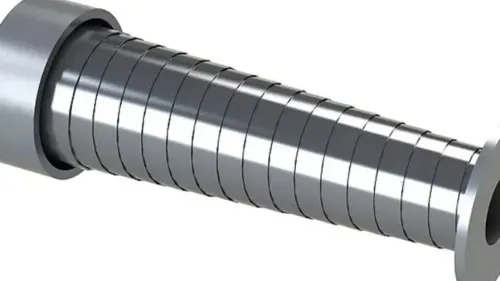
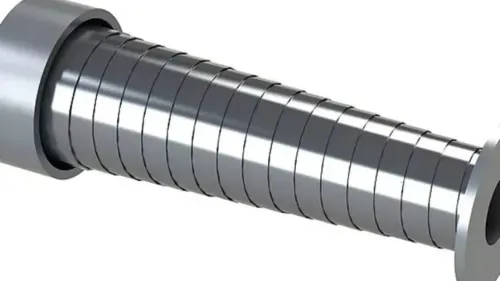
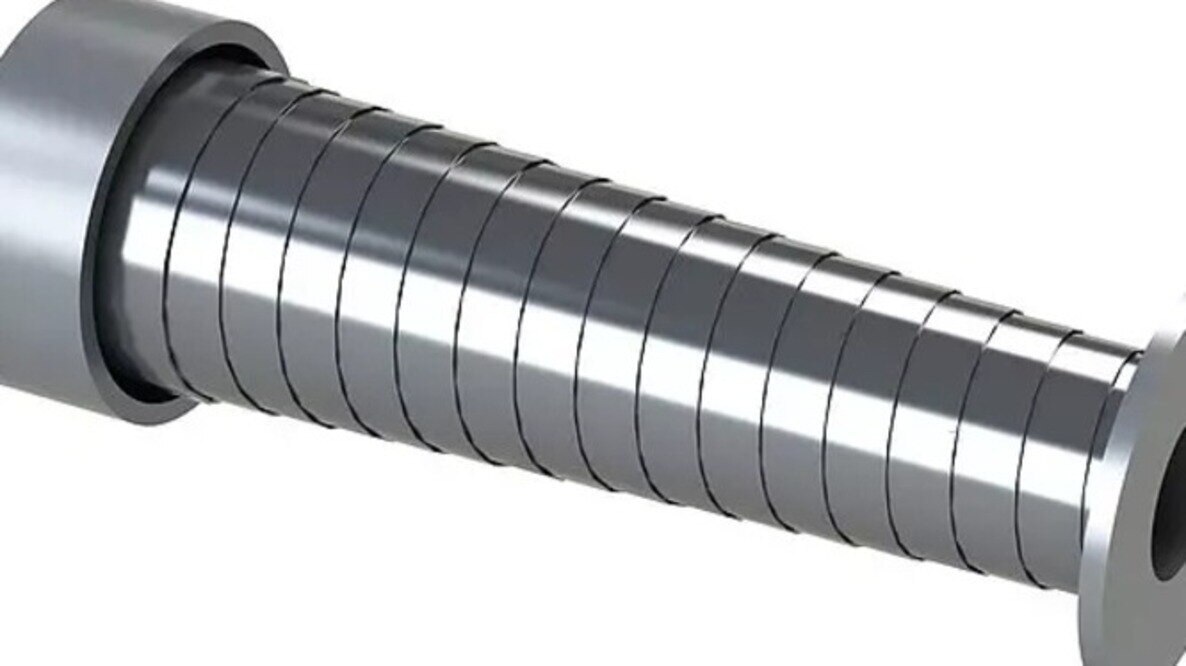
A spiral spring cover laser machines in kolhapur application suits a compact exposed shaft, screw or narrow linear element when conventional covers cannot fit. It is not a substitute for broad-bed protection where slag, large chips or heavy splash are present.
For spiral spring machine protection in kolhapur, confirm strip clearance, travel direction, heat exposure and a drainage path so monsoon water does not remain around the coil.
How to select a spiral spring cover for a narrow moving element
A spiral spring cover suits a laser machine only when the moving target is a compact, exposed shaft, ball screw, rack, or narrow linear element. It is not a universal replacement for a telescopic cover on a broad bed that faces slag, large chips, heavy coolant, or forceful water splash.
Its coiled strip saves installation space, but it protects a narrower geometry.
For spiral spring cover laser machines in Kolhapur, check the following before selecting a size:
1. Measure the element diameter, travel, mounting length, maximum extension, retracted diameter, and every nearby obstruction. Confirm that the cover does not rub during acceleration or at either travel limit.
2. Specify protection against wind-driven rain and floor splash, not only overhead droplets. Add a wiper and a low-point drain where water could collect behind the coil.
3. Choose stainless steel or corrosion-resistant coated steel for humid monsoon service. Inspect the proposed design for unsealed seams, dissimilar-metal fasteners, crevices, and trapped interfaces, because these corrode before the main strip.
4. During acceptance, run the axis through its full stroke. Reject uneven winding, scraping, dents, loose fasteners, blocked drainage, or water retained inside the cover.
Spiral spring machine protection in Kolhapur still needs humidity control elsewhere: it does not stop condensation inside cabinets or protect optics from damp air. Keep ventilation and extraction paths open.
The specification and acceptance checklist to send a supplier
Send the supplier a dimensioned machine drawing, not only the axis name and a request for a “waterproof” cover. State the travel, installation space, and exposure conditions so the proposed laser machine cover in Kolhapur fits the machine rather than obstructing it.
- Provide extended and collapsed cover length, width, height, section count, mounting-face dimensions, guideway clearance, axis travel, and the required access for maintenance.
- Identify the laser type, axis arrangement, travel speed, acceleration, cycle frequency, heat sources, chip or slag load, coolant use, and the direction of wind-driven rain and floor splash.
- Specify stainless steel or corrosion-resistant coated steel, coating or surface treatment, welded-seam protection, fastener material, wiper material, and the temperature and humidity range.
- Request the allowable speed and acceleration, maximum cover stroke, mounting loads, section overlap, noise limit, and confirmation that the cover will not buckle, scrape, or transfer load to the guideway.
- Require wiper locations, drain holes or channels, drainage direction, splash-test method, cleaning instructions, inspection intervals, replacement wipers, sections, fasteners, and lead times.
- Define acceptance: run a controlled spray or splash test, then inspect inside collapsed sections, overlaps, wipers, drains, and mounting brackets for retained water or contamination.
SCUTES INDIA PRIVATE LIMITED should receive this same schedule if you request a quotation, allowing its telescopic cover monsoon protection in Kolhapur proposal to be compared on fit, drainage, and tested performance rather than claims.
Related products
 | TELESCOPIC COVERS A telescopic cover protects guide-way surfaces and components of moving axis of machines. View product → |
 | TELESCOPIC SPRING COVER Telescopic Spring Covers provide protection under extreme conditions. View product → |
Frequently asked questions
How does Kolhapur monsoon moisture reach a laser machine?
Wind-driven rain, floor splash, high humidity and overnight condensation can reach guideways, ball screws, racks, cable carriers and electrical interfaces.
What should you check before starting a laser machine during monsoon?
Inspect for condensation, standing water, wet chips, coolant residue and damaged seals; clean and dry exposed moving surfaces before operation.
When should you choose a telescopic cover instead of bellows, roll-up covers or aprons?
Choose by the machine’s travel, available space, heat, chip load, coolant exposure and required flexibility rather than by cover name alone.
When is a spiral spring cover suitable for a laser machine?
Use a spiral spring cover when a narrow moving element needs protection and the available installation space is limited.
What information should you send a cover supplier?
Send travel length, closed and extended dimensions, mounting points, moving speed, heat and coolant exposure, material concerns, sealing needs and acceptance criteria.