The choice depends on how the machine moves, how much space the cover has, and what the chips, coolant and cleaning process will do to it. By the end, you can identify the right cover type, collect the measurements a supplier needs and test whether the proposed design will clear every moving component.
Key takeaways
- Use spiral covers for compact round shafts and telescopic covers for guided rectangular axes.
- Measure travel, closed length, expanded length, width, height and mounting points before requesting quotes.
- Match stainless steel, coated steel or seals to coolant, chips, oil, heat and abrasive dust.
- Approve a dimensioned drawing that shows speed, clearances, alignment and service access.
How a Spiral Spring Cover Differs from a Telescopic Cover
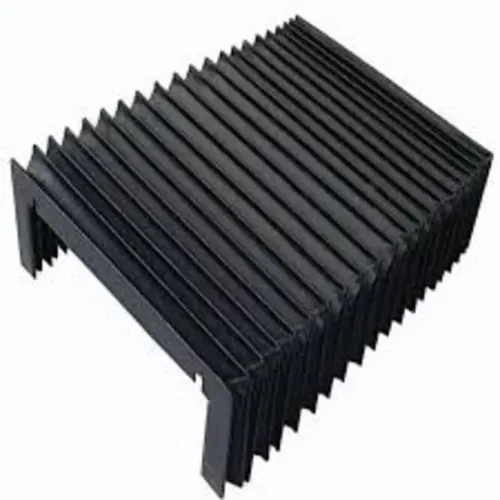
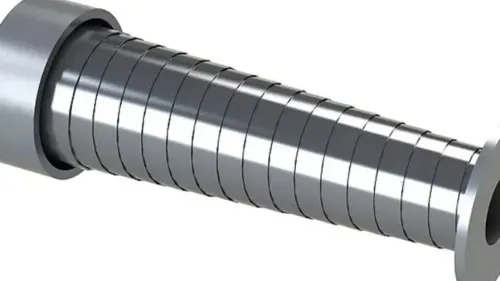
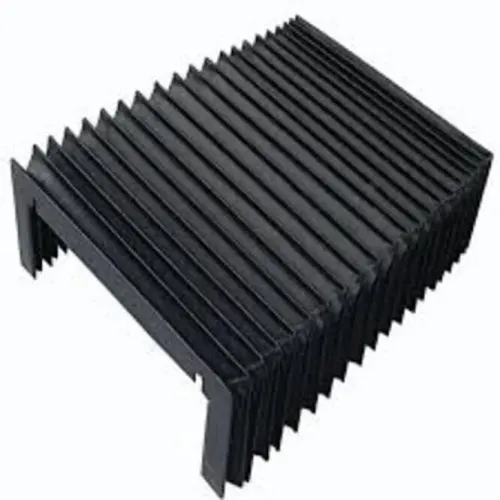
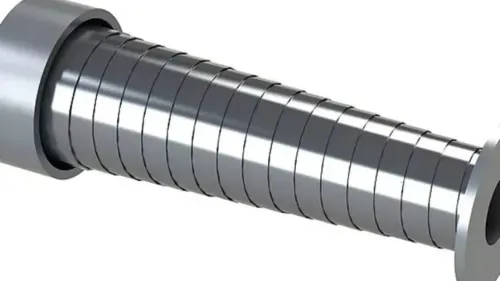
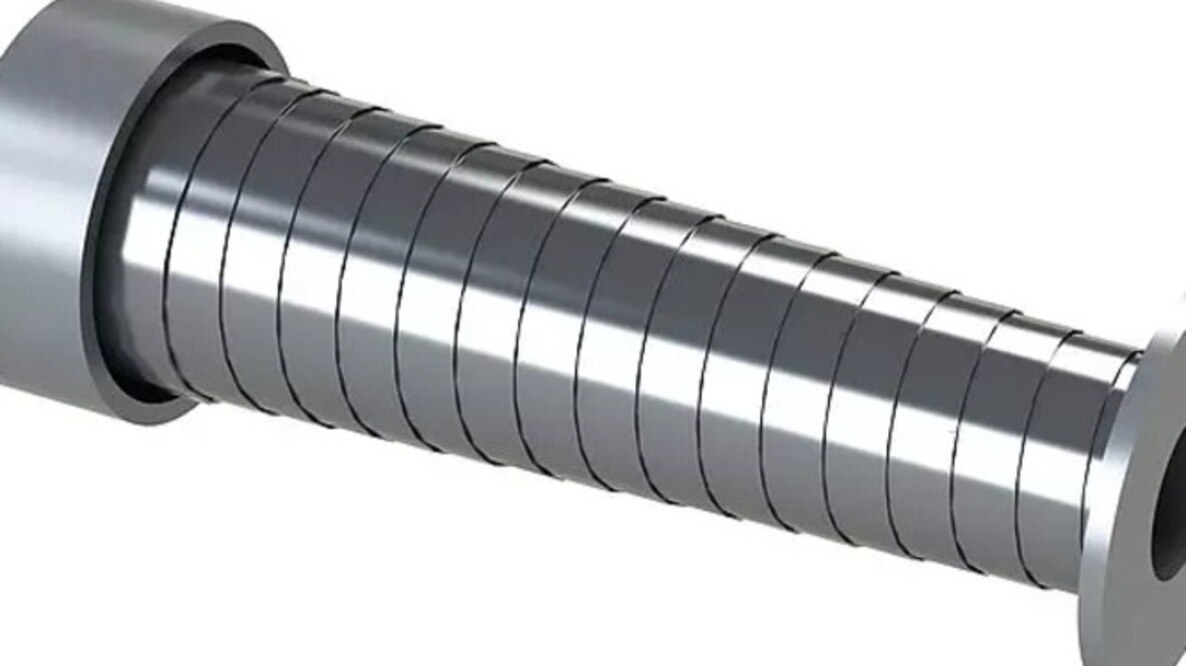
A spiral spring cover uses a continuously wound, spring-loaded strip that expands and contracts around a shaft, screw, rod or compact linear mechanism. A telescopic cover uses nested steel sections that slide over one another, making it better for a machine-tool guideway, column or axis requiring guided rectangular or box-like coverage.
| Option | Construction | Best fit | Main limitation |
|---|---|---|---|
| Spiral spring cover | Continuously wound strip | Shaft, screw, rod or compact linear movement | Less resistant to heavy chip impact and abrasive swarf |
| Telescopic cover | Overlapping steel sections with guided sliding movement | Guideway, column or rectangular machine axis | Needs more installation space and accurate parallel mounting |
| Spiral cover | Smaller radial and lateral installation envelope | Tight machinery layouts | Does not provide a rigid load-bearing top surface |
| Telescopic cover | Greater rigidity and chip-deflection capability | CNC areas exposed to direct impact or heavy chips | Misalignment can cause binding, scraping and uneven opening |
Choose the spiral form when radial space and compact movement matter. Choose the telescopic form when heavy chips, direct impact or a rigid top surface matter.
For a spiral spring or telescopic spring cover for machinery in Kolhapur, compare the available envelope before comparing prices; the closed length, extended length and clearance around moving parts decide whether either design can fit.
A telescopic spiral spring for machinery is not a separate substitute for both designs: confirm whether the supplier means a wound strip or nested steel sections. Neither design is an airtight seal or a personnel guard. Keep fingers, clothing and access protection separate from the machine-cover selection.
Measurements to Take Before Requesting a Cover
Send a dimensioned installation envelope, not just the machine stroke. A reliable spiral spring cover selection needs these measurements:
1. Measure the protected shaft diameter or guideway width. Record the required inside dimension and the maximum outside dimension, including nearby brackets, housings and guards.
2. Record the maximum extended length, required travel and minimum collapsed or closed length. A telescopic spiral spring for machinery must fit at both ends of its movement; quoting travel alone can produce a cover that cannot retract into the available space.
3. Measure each mounting face: width, length, hole spacing, bolt size and mounting height. Mark the fixed mounting face and the moving mounting face directly on the drawing.
4. State the travel direction and installation orientation: horizontal, vertical or inverted. Measure radial or lateral clearance around the cover, then check whether the shaft, carriage or guideway remains aligned throughout the stroke.
5. Show the complete installation envelope on a dimensional drawing, including adjacent clamps, tooling, pipes and guards. Add the machine’s maximum speed, acceleration and reversal pattern before approval.
Include the spring’s maximum extended diameter or section width and the available clearance at full extension and full closure. The closed length and mounting orientation affect fit, spring return and load on the moving part, so the supplier must review the full drawing rather than select a size from nominal stroke.
Matching Materials and Construction to Kolhapur’s Contaminants
Fine grinding dust and cast-iron fines abrade surfaces and settle inside winding turns or sliding sections; aluminium chips can pack into gaps, while long turning swarf can wind around a spiral cover and jam it.
A spiral spring comparison in Kolhapur must therefore examine the actual coolant, cutting oil, cleaning chemical and monsoon-storage humidity, not only spring diameter or price.
| Material | Exposure or contamination | Main risk |
|---|---|---|
| Stainless steel | Coolant residue, humid storage, frequent washdown | Better corrosion resistance; confirm chemical compatibility |
| Carbon steel | Dry indoor service with controlled cleaning | Lower corrosion margin; residue can cause rust inside turns |
| Spiral spring | Long swarf, abrasive particles, fine dust | Winding, abrasion and incomplete return |
| Telescopic sections | Hot chips, welding spatter, heavy cast-iron chips | Impact, heat damage, scraping and jamming |
| Either construction | High-pressure washdown | Water and contamination driven past wipers or guides |
A telescopic spring cover in Kolhapur needs a wiper selected for the site’s coolant and cleaning method. Wipers are replaceable wear parts, not permanent seals; a worn edge lets chips under otherwise intact sections.
- Compare strip or section thickness, surface treatment, coating, spring force, guide system, flanges and corrosion resistance.
- Specify wiper material, profile, replaceability and whether it handles dry dust, fine chips or liquid exclusion.
- Ask the supplier to confirm compatibility with the exact coolant, cutting oil, detergent and washdown pressure before approval.
Checking Speed, Clearance, Alignment and Service Access
Safe operation depends on the cover’s behaviour through the complete machine cycle, not on whether it fits the spindle at rest. Check the supplier’s permitted speed, acceleration, vibration and reversal limits; a compact cover that works at low speed can chatter, slam or fail to return at rapid-traverse speed.
Record these clearance and motion checks before approval:
- Measure around the chuck, toolholder, carriage, clamp, coolant pipe, cable carrier and nearby guard.
- Test the maximum extension and minimum collapsed length, including end-stop positions.
- Confirm spring force, moving mass and inertia together; excessive force or mass can create impact, vibration and incomplete return.
- Check the spiral spring cover selection against travel rate, maximum compressed diameter and mounting orientation.
- Install a spiral cover in its natural winding direction. Do not force the strip sideways, or friction and deformation can prevent full return.
- Mount a telescopic spring cover in Kolhapur parallel to the guideway, with accurate guidance to prevent binding, scraping and uneven opening.
Give the supplier a full-stroke drawing showing fixed and moving faces, orientation, clearance and reversal points. Plan inspection and chip removal from spiral turns or gaps between telescopic sections; trapped chips add friction and mass. Do not use high-pressure washing when the jet can drive contamination into wipers or guides.
Confirm access for removing the cover and replacing worn wipers without dismantling unrelated machine parts.
How to Compare Suppliers and Approve the Final Design
Approve the final design only against supplier evidence, not a catalogue diameter or price. For a spiral spring or telescopic spring cover for machinery in Kolhapur, request:
- Dimensional drawing with closed and extended lengths, outside and inside dimensions, mounting faces, mounting height and orientation
- Strip or section material, thickness, coating, spring force and mounting loads
- Wiper material and profile, corrosion compatibility, replacement-wiper availability and cleaning instructions
- Permitted speed, acceleration limits, service conditions and warranty exclusions
Compare the actual coolant and swarf exposure:
| Condition | Risk | Evidence to check |
|---|---|---|
| Fine grinding dust | Abrasion and clogged turns | Wiper profile and cleaning method |
| Long turning swarf | Winding and jamming | Section overlap or winding clearance |
| Aluminium chips | Packing between surfaces | Wiper replaceability and access |
| Welding spatter or hot chips | Heat and coating damage | Material, thickness and temperature limits |
| High-pressure washdown | Contamination driven into guides | Cleaning restrictions and corrosion compatibility |
A spiral spring comparison in Kolhapur should use these conditions, not spring diameter alone. Consult SCUTES INDIA PRIVATE LIMITED when the measured envelope, movement profile or contamination risk needs engineering validation rather than catalogue-size selection.
Release the cover only after the drawing shows full-stroke clearance and the supplier confirms the machine’s speed, acceleration, orientation and service conditions.
Frequently asked questions
When should you choose a spiral spring cover instead of a telescopic cover?
Choose a spiral spring cover for compact round shafts, screws, rods or linear mechanisms. Choose a telescopic cover for machine-tool guideways, columns or axes needing guided rectangular coverage.
What measurements do you need before requesting a machinery cover?
Record the protected travel, closed length, expanded length, width, height, mounting-point locations and available clearance around the moving parts.
How do Kolhapur’s contaminants affect cover material selection?
Specify construction for the actual exposure: coolant, cutting oil, chips, abrasive dust, heat and moisture can determine the steel grade, coating, seals and scraper design.
What should you check before approving a supplier’s final cover design?
Check operating speed, acceleration, clearance, alignment, mounting details, service access and a dimensioned drawing showing the cover through its full movement.