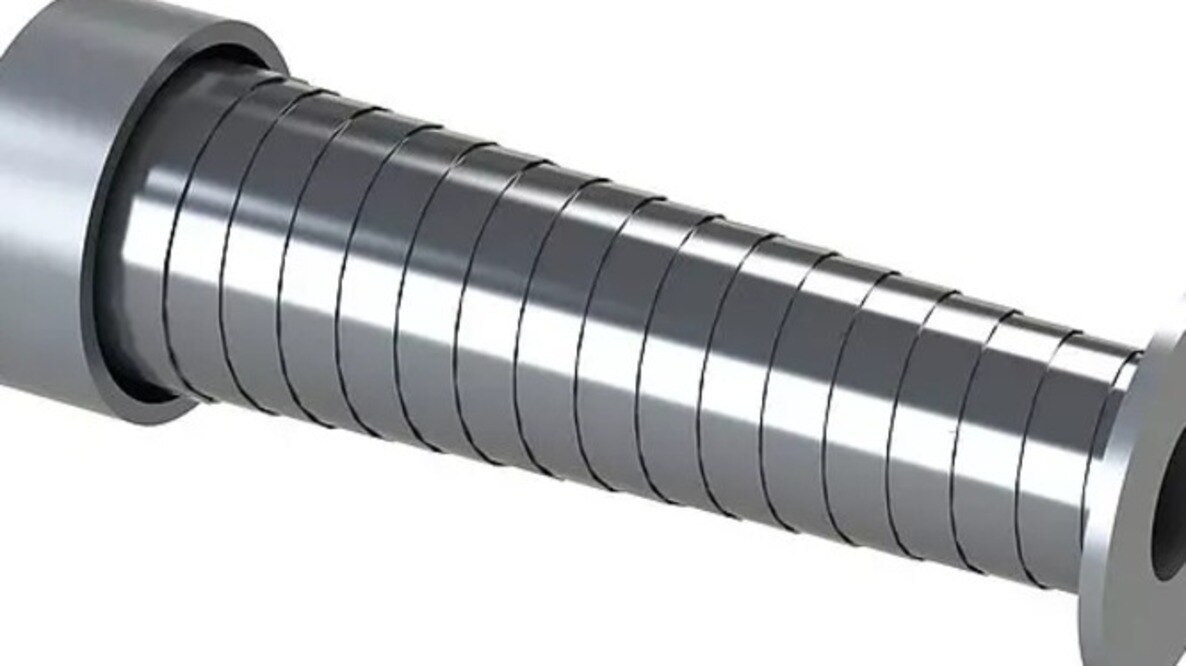
Monsoon water reaches a CNC machine through splash, humid air, condensation, wet chips and coolant, so a telescopic cover must do more than block rain. You will learn how its overlaps, wipers and drainage paths manage water, how to identify moisture failure, and what to specify and inspect before the wet season in Kolhapur.
Key takeaways
- Inspect panel overlaps, wipers, side guides and drains after every rainy shift.
- Use ventilation and controlled temperature changes to reduce condensation inside closed covers.
- Specify drainage, wiper material, travel speed and corrosion protection before comparing covers.
- Replace hardened wipers and clear blocked drain paths before moisture reaches the guideway.
How Monsoon Moisture Reaches a CNC Machine
Rainwater rarely enters through the broad face of a cover. A CNC machine telescopic cover for monsoon moisture in Kolhapur is a splash and debris barrier, not a hermetically sealed enclosure. Wind-driven rain can pass beneath overlapping panel lips, past worn wipers, through side-guide clearances and into gaps that open as the panels telescope.
A stationary inspection can miss leakage that appears only during axis travel.
After rain, inspect these collection points:
- The lowest telescopic segment, where water and silt settle before draining.
- Guide channels, where retained water can carry abrasive dust into rollers, slides and seals.
- Flat pockets between overlapping segments, which hold stagnant water when the cover lacks a clear fall.
- Low points and drain openings, especially where chips or sludge block the discharge path.
- Fasteners, panel joints and damaged seals, where rust marks reveal repeated wetting.
For telescopic cover moisture in Kolhapur, check the protected side rather than judging performance from the outside surface. Coolant mist, wet chips and wash-down water add moisture even when rain is blocked. During long idle periods, a closed cover can trap humid air and evaporated coolant against guideways, ballscrews, linear scales and electrical connectors.
Drains must discharge away from those components; otherwise collected water reaches them after the cover dries or moves.
How Overlaps, Wipers and Drains Control Water During Axis Travel
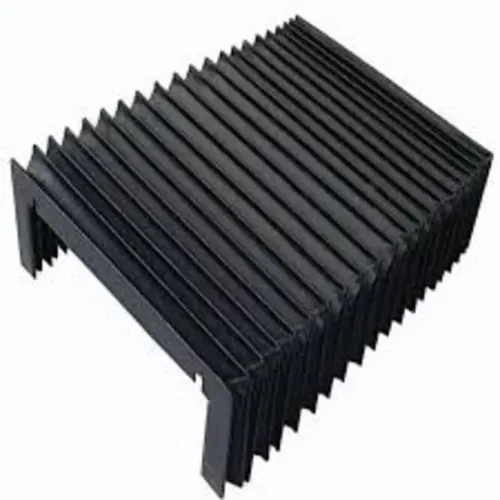
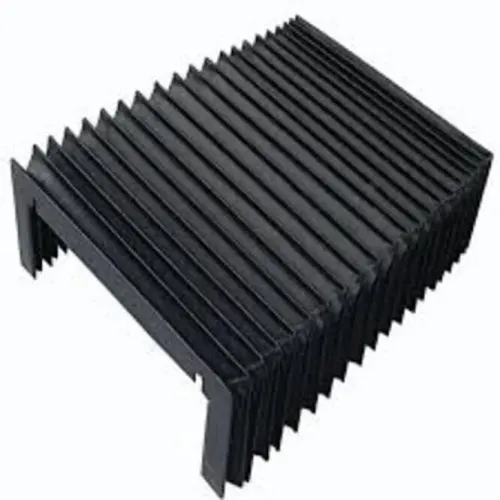
Overlapping panels act as a moving splash barrier, not a watertight box. For cnc machine telescopic cover weather protection, each segment must remain partly beneath the next as the cover extends and retracts, while side guides preserve alignment and movement clearance.
Water that reaches a joint is directed away rather than allowed to fall onto the guideway.
- Panel overlaps limit direct entry, but chips trapped between segments can stop full closure and create a leakage path. Vibration from excessive acceleration can also open brief gaps during travel.
- Replaceable wipers or scrapers wipe water and chips from segment interfaces. A cut, hardened, contaminated or badly adjusted lip can leak while also increasing sliding resistance and causing binding.
- Sloped surfaces and open drain slots carry collected water away from the cover. Blocked slots turn a splash barrier into a shallow reservoir, allowing standing water to reach joints and fasteners.
Movement changes the result. Test the actual axis speed, acceleration, unsupported span, coolant flow and chip type; nominal machine dimensions do not reveal whether the cover will shake or overload its wipers. Check protection with repeated full-stroke travel and directed low-pressure water or simulated rain, then inspect the protected guideway after drying.
A stationary spray test can miss travel-only leaks. Do not infer an IP rating from the machine cabinet: the moving cover needs its own agreed spray direction, movement state, duration and acceptance limit.
How to Prevent Condensation Inside a Closed Cover
Keep the cover closed against splash, but do not treat it as an airtight box. A machine cover for rainy season in Kolhapur can block direct rain while humid air, evaporated coolant and heat from a recently stopped machine condense on cold guideways, scales, motors and electrical surfaces.
1. Park the machine in the position specified by the machine builder, then run a scheduled dry cycle before long shutdowns. Move the axis through its normal travel so warm air and residual coolant do not remain trapped at one end.
2. Remove chips, wipe coolant from the guideway area and correct coolant leaks. A mixture of coolant residue and monsoon humidity forms a film that accelerates corrosion beneath the cover.
3. Provide controlled air exchange around the machine without directing wet outside air into the protected space. Use cabinet heaters or another machine-builder-approved anti-condensation system where electrical components require it; never place an improvised heater beside oil, coolant or swarf.
4. Check the lowest cover segment and guide channels after drying. Clear silt from drain paths, because trapped water keeps evaporating inside the closed cover and can carry abrasive particles into rollers, slides and seals.
During acceptance testing, repeat full-stroke movement with simulated rain, then inspect the guideway and electrical surfaces after the machine dries. A stationary cover test can miss moisture drawn through overlaps during telescoping.
What to Inspect After a Rainy Shift
A rainy-shift inspection passes only when the cover, its drainage paths and the protected guideway remain dry after movement. For telescopic cover moisture in Kolhapur, inspect the lowest segment and guide channels, not just the outer steel surface; trapped water can carry abrasive silt into rollers, slides and seals after drying.
- Move the axis through repeated full strokes, then check whether water appears at panel overlaps, side guides or wipers. A stationary cover can hide leaks that occur during telescoping.
- Apply directed low-pressure water or simulated rain from several angles. Keep the spray away from high-pressure washing, which can force water past seals and create a false failure.
- Open or inspect the protected area after the test. Look for moisture on the guideway, ballscrew, linear scale, electrical connectors and machine bed.
- After the cover dries, check low points and drain outlets for silt, stagnant water, orange rust spots or a coolant-water film. The machine cover rainy season in Kolhapur check is incomplete until these areas are dry.
| Condition | Indicates moisture control is working | Repair trigger |
|---|---|---|
| Drainage | Clear low points discharge water away from the guideway | Blocked outlets, flat pockets or pooled water |
| Wipers and overlaps | Wipers sit continuously against clean, aligned panels | Torn wipers, open gaps or rust at overlaps |
| Structure and hardware | Panels travel smoothly; fasteners remain tight | Distorted panels, loose fasteners or scraping |
| Protected components | Guideway and connectors are dry after drying | Moisture, corrosion initiation or silt deposits |
What to Specify When Comparing Monsoon-Ready Covers
Compare covers against the same machine conditions, not against nominal bed dimensions. A CNC machine telescopic cover for monsoon moisture in Kolhapur must match the axis travel, speed, acceleration, unsupported span, chip type and coolant regime you actually use.
| Construction detail | What to compare | Acceptance check |
|---|---|---|
| Panel overlap | Continuous overlap through the full stroke, with no exposed guideway at reversal | Shine a light through joints while moving the cover slowly and at production speed |
| Wipers and guides | Replaceable wipers, rigid side guides and channels that do not retain sludge | Confirm contact remains continuous after repeated full-stroke cycles |
| Drainage | Low-point drains that discharge away from the guideway | Pour measured water into each channel; verify no standing water remains after five minutes |
| Material and finish | Steel thickness, corrosion-resistant coating and protected fasteners | Inspect cut edges, joints and fastener heads after drying for rust initiation |
| Movement capacity | Clearances that prevent vibration from opening transient gaps | Run at specified speed and acceleration with the normal chip load |
Do not accept an IP rating copied from the electrical cabinet. For CNC machine telescopic cover weather protection, agree in writing on spray direction, water pressure, duration, movement state and allowable ingress; IEC 60529 applies to tested enclosures, not automatically to moving covers.
Use this buying checklist:
- Test repeated full-stroke movement under simulated rain or directed low-pressure water.
- Inspect the lowest segment, guide channels and protected guideway immediately afterward.
- Dry the assembly, then check trapped water, corrosion marks and blocked drains.
- Give SCUTES INDIA PRIVATE LIMITED the machine drawing and operating data, not dimensions alone, so the cover is assessed against actual travel and contamination.
Related product
 | TELESCOPIC COVERS A telescopic cover protects guide-way surfaces and components of moving axis of machines. View product → |
Frequently asked questions
How does monsoon moisture reach a CNC machine?
Wind-driven rain can enter beneath overlapping panel lips, through worn wipers, side-guide clearances and gaps that open during telescopic travel.
How do overlaps, wipers and drains control water during axis travel?
Overlapping panels divert splash, wipers close moving joints, and correctly positioned drains carry collected water away from the guideway and machine.
How can you prevent condensation inside a closed telescopic cover?
Reduce rapid temperature changes, provide suitable ventilation where the design allows it, and remove standing water before closing the machine.
What should you inspect after a rainy CNC shift?
Check for pooled water, blocked drains, damaged or hardened wipers, corrosion, wet guideways, loose panels and moisture beneath the cover.