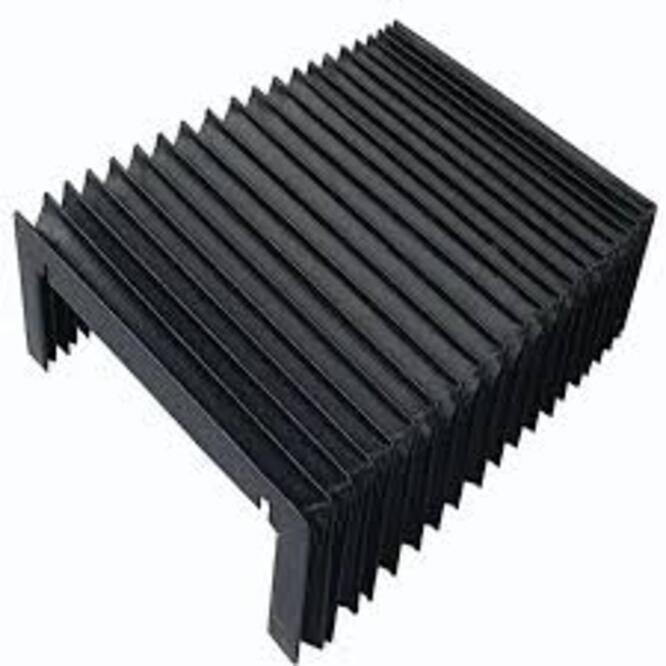
Replace the cover when damage compromises containment, exposes the protected mechanism, restricts axis movement or shows that the material has lost its strength. By checking the cover through its full stroke, identifying the failure cause and matching the replacement to the machine’s dimensions and hazards, you can decide whether to repair, replace or stop the machine immediately.
Key takeaways
- Replace the cover when damage exposes the laser path or restricts machine travel.
- Inspect every fold, attachment point and travel position with power isolated.
- Repair minor surface faults only when protection and movement remain unaffected.
- Match the replacement cover to the axis, heat, debris and coolant exposure.
Replace the cover immediately when damage affects protection or movement
Replace immediately when damage can expose the laser path, moving mechanism, or enclosure opening, or when it interferes with travel. A laser cutting machine protective cover is a safety component if it forms part of the laser enclosure, not a cosmetic panel.
Do not resume normal operation after finding a hole, torn bellows fold, split seam, open overlap, exposed guideway, detached end frame, failed fastener, permanent deformation, or coolant and chip leakage.
Inspect safely before deciding on laser cutting machine cover replacement:
- Shut down and isolate the machine before reaching into the enclosure or opening a guard. Never bypass an interlock while waiting for a replacement.
- Use bright lighting to inspect every fold, seam, overlap, fastener, mounting frame and hidden corner with the axis stationary.
- From outside the hazard area, command the axis through its complete stroke at low speed. Keep your hands clear and stop for rubbing, scraping, fold-on-fold contact, snagging, excessive stretching or cable interference.
- Check burn-through, charring, melted coating, blistering and permanent discoloration near the cutting zone. Thermal damage requires replacement even without a visible hole.
| Condition | Decision | Why it matters |
|---|---|---|
| Light surface scuff with intact material | Continue after recording it | Cosmetic wear has not opened the barrier or changed movement |
| Torn fold, split seam, failed mounting or exposed guideway | Replace before operation | The cover can leak debris or fail to contain the hazard |
| Burn mark, blister, melted coating or permanent deformation | Replace before operation | Heat has weakened the remaining material |
| Repeated rubbing or scraping | Replace after correcting alignment | A new cover will fail quickly if the cause remains |
Inspect every fold, attachment and travel position safely
Inspect a laser cutting machine cover with the machine stopped, the laser disabled, and hazardous motion isolated before you touch it. Lock out the machine for a close examination, use a bright light, and use a mirror or camera to view folds that remain compressed; never put your hands between moving folds.
- Check every fold for a tear, pinhole, split seam, exposed reinforcement, permanent crease or coolant-and-chip leakage.
- Examine both sides, end frames, mounting strips, fasteners, guides and attachment points for looseness, detachment or failed supports.
- Inspect the parked position first, then move the axis through its complete stroke using the machine’s approved controlled-jog procedure, with all people clear and no bypassed guard.
- Watch for folds that collide, catch on a guide, open unevenly, remain permanently compressed or create abnormal drag at any travel position.
- Check adjacent cables and hoses for rubbing, pinching or interference with the laser cutting machine bellows cover.
Surface dust or light, uniform abrasion is cosmetic only when the fabric remains sealed and the cover moves freely. Replace it when abrasion has worn through, a fold is torn, the guideway is exposed, a frame is detached, mounting has failed, or the cover leaks.
Repeated scraping or asymmetric folding points to misalignment, fouled guideways, incorrect mounting height, excessive stroke or cable interference. Correct that cause before fitting a replacement, or the new cover can fail quickly. If the cover forms part of an interlocked enclosure, test the guard and safety functions before returning the machine to service.
Separate repairable faults from replacement-level failures
Repair a seam, replace a wiper, or remove debris only when the bellows body, mounting and protective function remain intact. Choose laser cutting machine cover replacement when damage cannot be restored to its specified seal, clearance, strength or movement.
| Fault | Repair or replacement decision | Stop-use trigger |
|---|---|---|
| Cosmetic abrasion | Clean it and monitor it if no fabric layer, coating or reinforcement is cut through. | Replace the cover when abrasion exposes material, creates a hole or allows coolant and chips to pass. |
| Split seam | Repair it with the machine builder’s approved method when the seam is localised and the cover retains its shape. | Replace it when the split opens under travel, separates an overlap or forms part of a laser enclosure. |
| Wiper strip | Replace the wiper alone when it is hardened, torn or worn but its holder and the laser cutting machine bellows cover remain sound. | Replace the complete cover when the wiper carrier is detached, distorted or pulling the bellows out of alignment. |
| Debris | Remove chips, hardened coolant and foreign objects after safe isolation; find and correct the source. | Replace the cover when debris has cut folds, crushed guides or caused permanent deformation. |
| Mounting or structure | Tighten or replace an individual fastener only when the frame and mounting holes remain undamaged. | Replace the complete cover for a detached end frame, failed mounting, torn fold, exposed guideway or permanent compression. |
Do not bypass an interlocked enclosure cover while awaiting parts. If the cover causes drag, asymmetric folding or drive overload, correct alignment and installation before fitting a new one; otherwise the replacement can fail quickly. There is no universal replacement interval: follow the specified service life and machine builder’s instructions.
Choose a replacement that fits the axis and survives the process
Order by axis geometry and process exposure, not by machine model alone. Measure the cover installed on the stationary axis: mounting-face-to-mounting-face length, compressed and extended length, width, height, fold pitch, end-frame hole pattern, and clearance to the bed, nozzle, cable carrier and adjacent covers.
Record the axis stroke and mounting height; a small error can force fold-on-fold rubbing.
Compare the replacement by function before choosing its material:
| Cover type | Confirm before ordering | Main failure risk |
|---|---|---|
| Laser enclosure cover | Seams, overlaps, access panels, viewing areas, fastener positions and interlock geometry | A poor match can compromise laser-radiation containment |
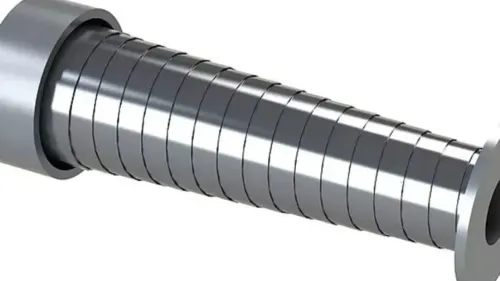
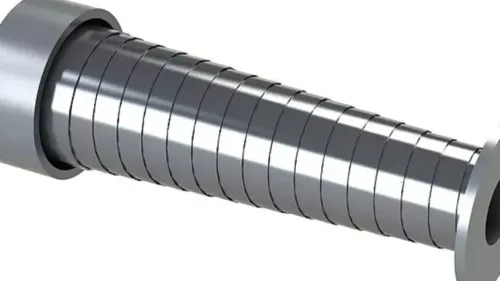
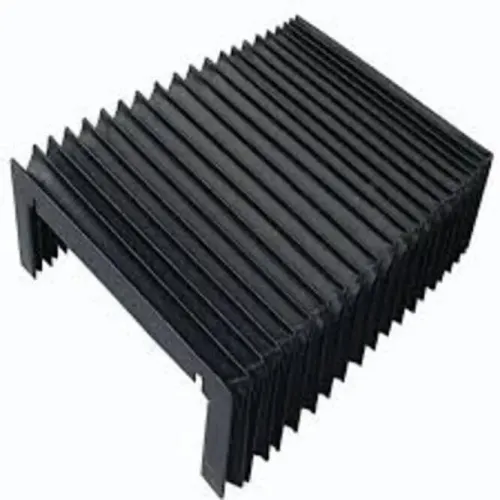
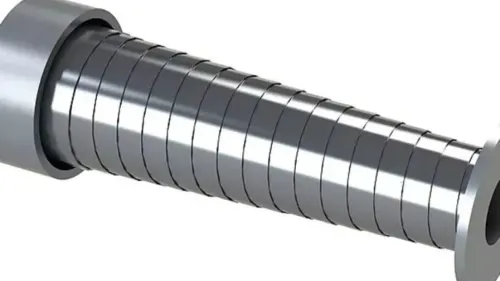
| Laser cutting machine bellows cover | Full stroke, folded length, fold pitch, guide clearance, end frames and coolant or chip exposure | Incorrect dimensions can jam the axis or expose the guideway |
| Telescopic cover | Closed and extended dimensions, scraper arrangement, wipers, mounting faces and hot-chip clearance | Missing or misaligned wipers can let abrasive debris reach the guideway |
Specify the construction, not just “heat resistant”: coated fabric, stainless steel, foil laminate or another defined material; resistance to the actual coolant, oil, chips, heat and cleaning chemicals; and the supplier’s service-life limit. Confirm seam construction, reinforcement, fastener type, drainage, guides and cable routing.
Give SCUTES INDIA PRIVATE LIMITED the same dimensioned drawing, photographs and process conditions you give competing suppliers, then verify that the proposed laser cutting machine protective cover preserves the original safety and movement functions.
Related product
 | Laser Machine Bellows Laser Machine Bellows are specialized protective coverings designed to safeguard the vital internal components of laser machines. View product → |
Install, commission and maintain the cover so it does not fail again
Before returning a machine to service after laser cutting machine cover replacement, correct the cause of the failure, verify the cover and safety functions, and record the result. A new cover will fail quickly if lateral loading, wrong mounting height, fouled guideways, excessive stroke or cable interference remains.
1. Isolate electrical, pneumatic and hydraulic energy, then inspect the stationary cover with strong lighting. Check every fold, seam, overlap, end frame, fastener, guideway edge and hidden mounting point for distortion, gaps, trapped debris or incorrect seating.
2. Move the axis through its complete stroke using the machine’s controlled commissioning procedure, with hands and tools outside the hazard zone. Stop if the cover rubs, scrapes, folds onto itself, stretches, snags or contacts cables, sensors or machine structure.
3. Correct alignment, mounting height, travel limits, guideway contamination and cable routing before testing again. Remove dross, chips and condensate without using a chemical that attacks the cover material.
4. Verify that the cover preserves the specified enclosure geometry, seams, overlaps and access arrangements. Test each interlock and required safety function; never bypass an interlocked guard while commissioning.
5. Record the cover identification, installation date, machine axis, inspection findings, adjustments, interlock results and person who approved release. Attach photographs when hidden damage or alignment correction could be disputed later.
Keep the maintenance interval tied to the manufacturer’s instructions and the actual duty cycle. Reinspect sooner after sparks, hot dross, coolant exposure or cleaning chemicals, because embrittlement, swelling, hardening and delamination can precede visible failure.
Frequently asked questions
When should you replace a laser cutting machine cover immediately?
Replace it when damage exposes the laser path, moving mechanism or enclosure opening, or when the cover interferes with machine travel.
What parts of a laser cutting machine protective cover should you inspect?
Inspect every fold, seam, attachment point, guide, end frame and travel position with the machine safely isolated.
Which faults require replacement instead of repair?
Choose replacement when tears, detached folds, failed attachments, distorted frames or material damage compromise protection or smooth movement.
How do you choose and commission a replacement bellows cover?
Match the cover to the axis stroke, compressed length, mounting geometry, speed, heat, coolant, oil and chip exposure, then test full travel before production.