Uneven retraction usually comes from chips, coolant residue, distorted stages, misalignment, or unequal friction before it points to a failed spiral spring. You will be able to isolate the cover safely, locate the binding point, separate an external obstruction from an internal spring fault, and decide whether adjustment, cleaning, or controlled repair is appropriate.
Key takeaways
- Lock out electrical, hydraulic, and pneumatic energy before inspection.
- Test manual movement to locate the stage where binding begins.
- Clean chips and coolant sludge before diagnosing spring failure.
- Correct mounting misalignment before changing spring tension.
Start with a Safe Test: Find Where Retraction Becomes Uneven
Lock out the machine and isolate electrical, hydraulic, and pneumatic energy before touching the cover. For a telescopic spring cover movement problem, the first question is whether the cover binds without drive force or only during powered retraction. Do not force a jammed stage or reach between slats.
- Photograph the cover fully extended and retracted, then mark each stage’s normal position. Note which side lags, rubs, or moves in jerks.
- Clean loose chips, dried coolant, and oil residue from the visible joints without pushing debris deeper between the boxes.
- Check both ends for unequal side gaps, fresh rubbing marks, displaced wipers, lifted or buckled slats, loose fasteners, and a mounting box that sits out of square.
- Disconnect or unload the spring drive using the machine maker’s procedure. Move the cover by hand through several positions and compare resistance on the left and right.
- Stop if a stage catches sharply, a slat shifts, or the cover twists. Record the exact position where resistance begins.
If manual movement is heavy at one position, suspect guide friction, debris, distortion, or mounting geometry before blaming the spring. If it moves freely by hand but retracts unevenly under power, check drive synchronization, coupling alignment, end stops, and spring-anchor positions.
This telescopic spring cover troubleshooting sequence prevents a spring replacement from hiding the real fault and causing another failure.
Separate Chips, Coolant Sludge, and Wiper Drag from Spring Failure
Contamination or wiper drag usually creates a local resistance spike at one travel position; spring failure produces weak or uneven force across much of the stroke. Isolate the machine before placing hands near the cover.
Clean chips, dried water-miscible coolant, tramp oil and abrasive fines from the gaps and guide surfaces. A sticky film can increase sliding friction and damage wiper lips, while packed chips can hold one telescoping box open.
Inspect the wipers as wear parts, not just dust seals. A hardened, torn or permanently compressed lip can drag on one side, pull slats sideways, or let chips enter the joints. Correct uneven contact before changing spring preload.
Use these clues:
- A sharp resistance spike at the same position points to a bent slat, burr, trapped chip or local guide interference.
- Jerking that improves after cleaning points to chips or coolant sludge, not an automatically failed spring.
- Smooth manual movement but stalling under drive load points to drive synchronization, coupling alignment, end stops or mounting brackets.
- Clean guides with sound wipers but weak retraction throughout the stroke points toward unequal spring tension or a damaged spiral spring.
Do not diagnose a spiral spring cover retraction issue from the closed position alone. Record the cover position where resistance rises and compare opening and closing force, or motor current. Remove contaminated lubricant before replenishing it; excess oil retains chips, and thick grease can increase cold-start drag.
Check Mounting Geometry Before Adjusting the Spring
Before changing spring preload, prove the cover is not being forced sideways by its mounting geometry. Lock out the machine, photograph both ends of travel, and mark each telescopic stage so you can see where the telescopic spring cover movement problem begins.
Check these points with power isolated:
- Measure the side gap between the cover and each guideway at several positions. A gap that narrows on one side identifies rail misalignment, a shifted bracket, or a box that is no longer square to the machine axis.
- Look for fresh rubbing marks, lifted slats, buckled sections, displaced wipers, and chips trapped where stages overlap.
- Tighten loose mounting fasteners only after checking the cover’s position. A loose bolt can let the box move; tightening it while the cover is racked can lock the distortion in place.
- Move the cover by hand through its travel with the drive unloaded. Compare resistance at the front, middle, and rear.
- Check coupling alignment, drive-point synchronization, end stops, and bracket positions. Two unsynchronized drive points can rack the cover diagonally.
Manual and powered behaviour separates geometry from drive faults:
| Test result | What it indicates | Next check |
|---|---|---|
| Smooth by hand, stalls under drive | Drive side-load or racking | Synchronization, coupling, end stops |
| Binds by hand at one position | Misalignment or obstruction | Side gaps, rails, slats, fasteners |
| One side leads while force feels even | Unequal spring force | Spring anchors and paired preload |
Correct the geometry before replacing a spring; a new spring cannot overcome a skewed mounting box.
Account for Chennai Humidity, Heat, Chips, and Coolant Residue
Chennai’s wet, salty air can turn a small scratch into a high-friction spot. During telescopic spring cover troubleshooting, inspect exposed cover parts for orange rust, pitting, and white salt deposits. Monsoon wetting deserves a check after shutdowns, not only at scheduled maintenance.
- Remove metal chips from every telescoping joint before they pack under a wiper. Increase cleaning and inspection to each shift when machining produces heavy chips or the cover receives frequent coolant spray.
- Wipe away water-miscible coolant, tramp oil, and abrasive fines before the film dries into sludge. After cleaning, inspect wiper lips and guide surfaces; adding oil over residue increases drag and carries grit deeper into the joints.
- Treat pitted carbon-steel springs, slats, or load-bearing guides as damage requiring repair or replacement. Do not polish a pitted spring and return it to service.
- Apply only the lubricant specified for the cover, wipers, seals, coolant, and guide materials. Excess oil traps chips, while heavy grease can make cold-start retraction sluggish.
Heat can accelerate coolant drying and change lubricant behaviour, so compare movement when the machine is cold and at operating temperature. Record where binding begins. If rust, hardened wipers, or residue remains after cleaning, stop adjusting spring preload; the cover needs controlled inspection rather than more lubricant.
Choose Controlled Repair When the Spring or Structure Is Damaged
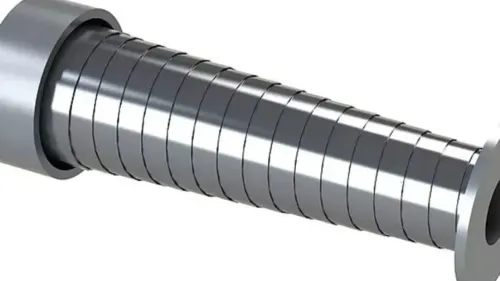
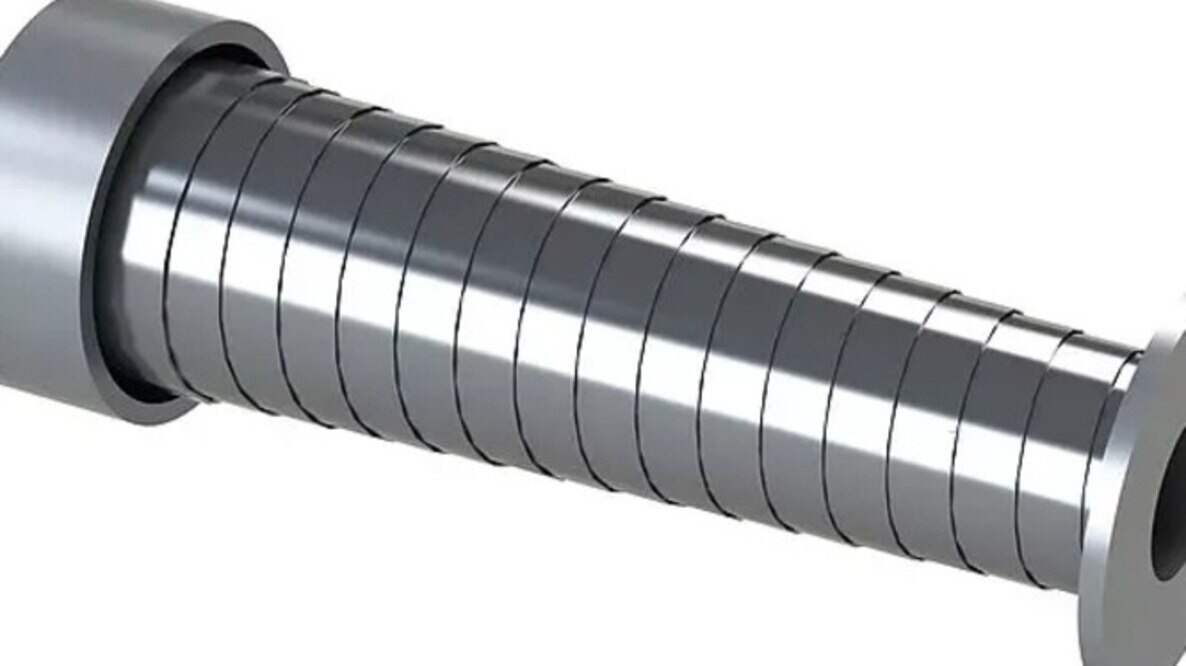
Stop field adjustment if the cover has a severely buckled slat, cracked weld, deeply pitted spiral spring, distorted guide box, broken anchor, or repeated binding after debris and alignment checks. Do not stretch, shorten, re-anchor, or forcibly rewind the spring; stored energy can cause injury, and a changed anchor position alters preload and travel force.
Arrange telescopic spring cover repair in Chennai under a guarded, controlled re-tensioning procedure.
| Finding | Likely action | Why field adjustment is unsafe |
|---|---|---|
| Local resistance spike at one position | Inspect for a bent slat, burr, chip, or guide interference | More spring tension can worsen the obstruction |
| Smooth manual movement but drive stall | Check synchronization, coupling, end stops, and brackets | A racked cover can appear to have a weak spring |
| Progressive resistance through travel | Check alignment, lubrication, and spring specification | Incorrect preload can overload the cover or drive |
| Cracked, buckled, pitted, or distorted parts | Replace or factory-refurbish the damaged assembly | Welding, straightening, or heavy patches change clearance and mass |
Give the repair provider:
- Cover dimensions, travel length, machine axis, and installation orientation.
- Photos of each stage, guide box, brackets, wipers, spring housing, and damaged areas.
- The position where resistance rises, opening and closing force or motor-current readings, and whether manual movement is smooth.
- Spring markings, cover model, serial number, material, and any previous repairs.
- Coolant type, cleaning history, operating temperature, and chip exposure.
This record helps SCUTES INDIA PRIVATE LIMITED distinguish a spiral spring cover retraction issue from a structural or drive fault when assessing a telescopic spring cover for uneven retraction in Chennai.
Related products
 | TELESCOPIC SPRING COVER Telescopic Spring Covers provide protection under extreme conditions. View product → |
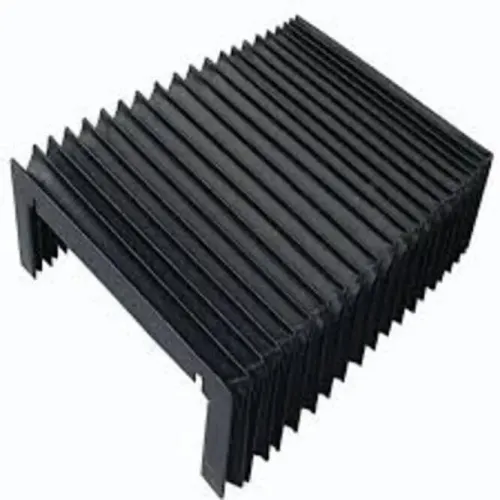
 | TELESCOPIC COVERS A telescopic cover protects guide-way surfaces and components of moving axis of machines. View product → |
Frequently asked questions
How can I find where uneven retraction begins?
Lock out the machine, then test the cover without drive force. Identify the stage where movement first becomes stiff, uneven, or jammed, and never reach between slats.
How do I distinguish chips or coolant sludge from spring failure?
Inspect the wipers, slat gaps, guide surfaces, and tray for packed chips, sticky coolant residue, and drag. Clean contamination first; persistent resistance after cleaning points toward spring or structural damage.
Why should I check mounting geometry before adjusting the spring?
A twisted frame, uneven mounting height, loose fastener, or misaligned guide can load the cover sideways. Correct the geometry before adjusting spring tension, or the problem can return and damage the cover.
When does a telescopic spring cover need controlled repair?
Use controlled repair when the spiral spring is deformed or broken, slats are bent, guides are damaged, or the frame no longer runs square. Avoid forcing retraction or making unmeasured spring adjustments.