A telescopic machine cover can continue moving while dents, worn scrapers, blocked drains or misalignment quietly damage the cover and the guideway beneath it. You will be able to set a duty-based maintenance schedule, clean and lubricate the assembly correctly, diagnose common faults and verify the design details that determine service life.
Key takeaways
- Inspect daily and service every 250 hours or 50,000 axis cycles.
- Clean overlaps and drains outward, keeping chips away from internal guides.
- Lubricate only manufacturer-specified points and replace worn scrapers promptly.
- Verify travel, closed length, section dimensions and mounting details before replacement.
Set a maintenance schedule around contamination and machine duty
How frequently you inspect and service a telescopic machine cover depends on contamination and duty, not a universal calendar interval. Start with a daily inspection, weekly cleaning and a detailed inspection every 250 machine hours or 50,000 axis cycles, whichever comes first; adjust that baseline from operating evidence.
- Before opening, reaching beneath or entering the cover, apply lockout/tagout, isolate electrical, hydraulic and pneumatic supplies, block moving parts and release or restrain stored energy. Use the machinery risk assessment to define safe access; automatic travel can still crush or trap someone.
- Inspect the cover and surrounding area daily. Look for chips, coolant below the cover, dents, lifted boxes, uneven extension, abnormal noise, hesitation at reversal and panel impact.
- Each week, remove accessible chips and abrasive residue from overlaps, drain paths, guide tracks and the area beneath the cover. Use a vacuum, brush or low-pressure wash; compressed air can force debris into rollers and guideways.
- At the machine-hour or axis-cycle interval, inspect every box, weld, fastener, guide roller, gap and wiper. Check for misalignment even when the cover still travels.
- Shorten every interval for grinding swarf, cast-iron dust, high-pressure coolant, rapid reversals or frequent automatic cycles. Record machine hours, axis cycles, abnormal noise, drive-load changes, repeated wiper failures and corrective work, then reset the telescopic cover maintenance schedule when those records show deterioration between inspections. These records turn telescopic cover maintenance requirements into evidence-based controls rather than guesses.
Clean overlaps, drains and wipers without driving chips inward
Correct telescopic machine cover maintenance starts with isolation, not with a hose or air gun. Follow this cleaning and inspection sequence:
1. Stop the machine, isolate its power and prevent axis movement before opening or reaching beneath the cover.
2. Remove large chips by hand using a hook, scraper or other suitable tool. Do not push debris into the overlaps.
3. Use a vacuum or soft brush on the panel overlaps, guide tracks, drain paths and area beneath the cover. High-pressure air can force chips and coolant behind nested boxes, into rollers, guideways and wiper interfaces.
4. Use low-pressure washing only when the machine and cover design permit it. Confirm that water and coolant can drain completely instead of pooling inside closed sections.
5. Inspect every box for dents, lifted or distorted panels, cracked welds, loose fasteners, damaged rollers, abnormal gaps, corrosion and uneven extension. A cover that still travels can already be misaligned and overloading its guides.
6. Check every scraper or wiper for tearing, hardening, embedded chips, loss of continuous contact and coolant leakage. Replace it when it no longer contacts the mating surface continuously, while preserving the original profile, material and preload; excessive preload increases drive load and can cause stick-slip.
Blocked drains and trapped sludge accelerate corrosion, wear seals and distort panels. These checks form core telescopic cover maintenance requirements, even when the cover appears to operate normally.
Lubricate only specified points and service scrapers before failure
Apply lubricant only at points named in the cover documentation. Rollers, guides, hinges and specified sliding interfaces may require lubrication; cover panels do not. A blanket coating of oil or grease on panels turns chips into abrasive paste.
Use the manufacturer’s instructions for the lubricant type, material compatibility and quantity. An incompatible product can swell wipers or attack coatings, while excess lubricant attracts chips and increases wear. Follow this service procedure:
- Wipe contaminated residue from specified lubrication points before applying fresh lubricant. Do not cover old grease with new grease.
- Inspect guideway areas for paste-like sludge, which indicates mixed lubricant, coolant and abrasive debris. Remove the residue before checking roller or guide movement.
- Check scraper preload along the full travel. Look for hardening, tears, embedded chips, loss of contact and coolant appearing below the cover.
- Watch for rising drive load, noisy rollers, hesitation at reversal, stick-slip, panel impact or uneven opening. These changes can indicate excessive preload, misalignment or internal contamination.
- Replace a damaged or permanently deformed wiper instead of adding lubricant to restore sealing. Match the original material, profile and preload.
A scraper that is too tight seals well but increases drive load and can cause stick-slip. A loose or hardened scraper permits coolant and chips through. These checks belong in telescopic machine cover maintenance because motion quality can deteriorate before visible damage appears.
Use symptoms to find alignment, drainage and spring-cover faults
Operating symptoms reveal faults before visible damage appears. Jerky travel points to contamination, excessive scraper preload, damaged rollers or misalignment; increasing motor load and noisy rollers reinforce that warning.
- Treat deformation or impact marks as evidence of insufficient clearance, overload or a bent box. Check for dents, lifted panels, cracked welds, loose fasteners and abnormal gaps.
- Trace coolant beneath the cover to worn scrapers, blocked drains, poor overlap or incorrect installation. Pooling coolant retains abrasive sludge and accelerates corrosion, seal wear and distortion.
- Remove trapped chips only after finding why they stayed there. Failed cleaning access or an obstructed evacuation path can force debris into the guideway and jam nested boxes.
- Investigate incomplete closing for a distorted panel, broken guide component, interference or a spring that has lost tension. Asymmetric opening and hesitation at reversal are alignment warnings, even when the cover still moves.
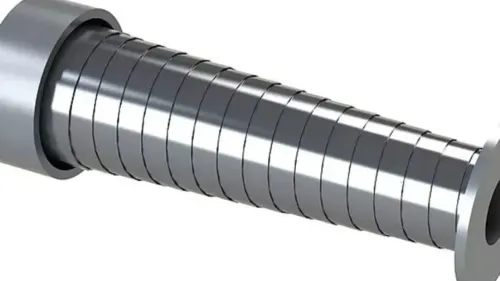
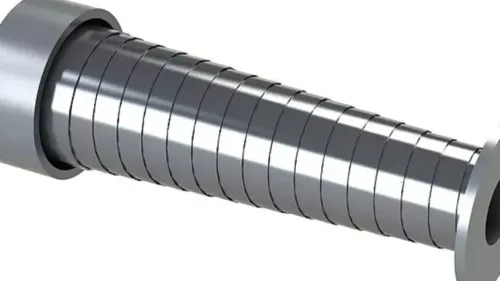
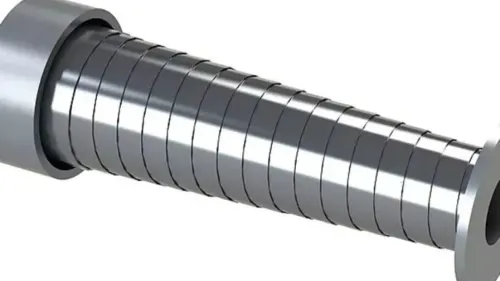
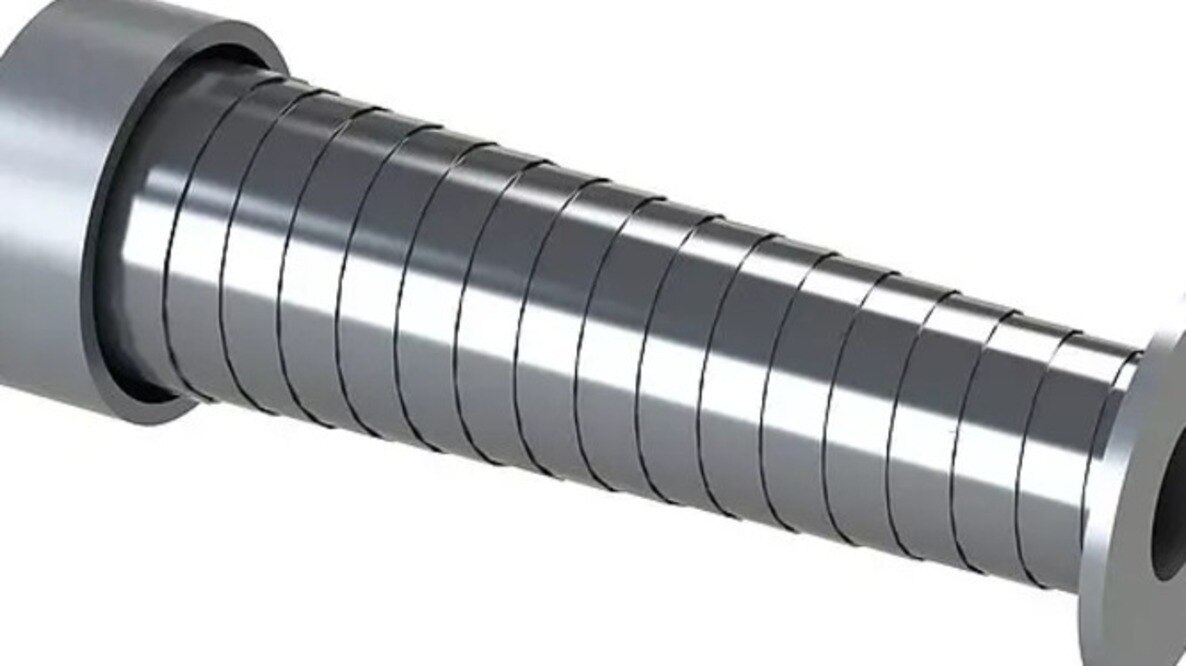
Telescopic spring cover maintenance requires a separate safety check. Look for broken or cracked spring strips, corrosion, distorted coils, loss of conical shape, rubbing, uneven retraction and contact with the protected shaft.
Spring strips store elastic energy and can release suddenly. Isolate the machine, restrain the cover, and follow the maker’s replacement procedure before disassembly or spring-strip replacement. Stop operation when a spring cover skews, jams or repeatedly fails to retract; do not correct it by force.
Record these findings in your telescopic machine cover maintenance log and investigate the cause before restarting.
Confirm design and size details before replacing or modifying a cover
Confirm the telescopic cover design requirements and telescopic cover size requirements before replacing or modifying a cover. Required travel alone is not enough: insufficient overlap leaks coolant, while inadequate clearance causes panels to bind at full compression.
Ask the supplier to document:
- Stroke, closed or compressed height, maximum extension height, cover width and cross-section
- Box overlap at full extension, mounting orientation, installation envelope and mounting points
- Guideway clearance, neighboring obstructions, removal access and the moving-member opening
- Travel speed, acceleration, cycle frequency, chip impact, coolant pressure, temperature and drainage routes
Request a drawing that shows overlap at full extension, clearance at full compression, scraper access, and where chips and wash water exit. Include material and coating compatibility with the coolant and cleaner, wiper details, spring-cover limits where relevant, inspection access and service instructions.
These details turn a replacement into a maintainable design rather than a cover that fits only on paper.
| Function | What it protects | What you must not assume |
|---|---|---|
| Guideway-protection cover | Guideways and moving machine parts from contamination | It is not a personnel safety device without a machinery risk assessment |
| Personnel safety guard | People from access to hazardous moving parts | It requires guard design, safe distances and risk-reduction verification |
Evaluate SCUTES INDIA PRIVATE LIMITED on whether its proposal records these dimensions and maintenance interfaces, not merely the nominal axis travel. That documentation supports telescopic machine cover maintenance because technicians can reach scrapers, inspect drains and remove panels safely.
Frequently asked questions
How often should you inspect and service a telescopic machine cover?
Start with daily inspections, weekly cleaning and a detailed inspection every 250 machine hours or 50,000 axis cycles, whichever comes first. Adjust the schedule when contamination or operating evidence demands it.
How do you clean a telescopic cover without driving chips inward?
Remove chips from overlaps, drains and wipers without pushing debris toward internal guides. Clear drainage paths and use cleaning methods that move contamination away from the cover interior.
What symptoms indicate a telescopic cover alignment or drainage fault?
Uneven gaps, scraping, binding, standing coolant or chips inside the cover point to alignment, wiper or drainage problems. Inspect mounting, section movement, drains and worn sealing parts.
What details must you confirm before replacing a telescopic cover?
Confirm the cover’s travel, closed length, section count, height, width, mounting points, machine-axis orientation and clearance. Check these telescopic cover design and size requirements against the machine before ordering or modifying it.