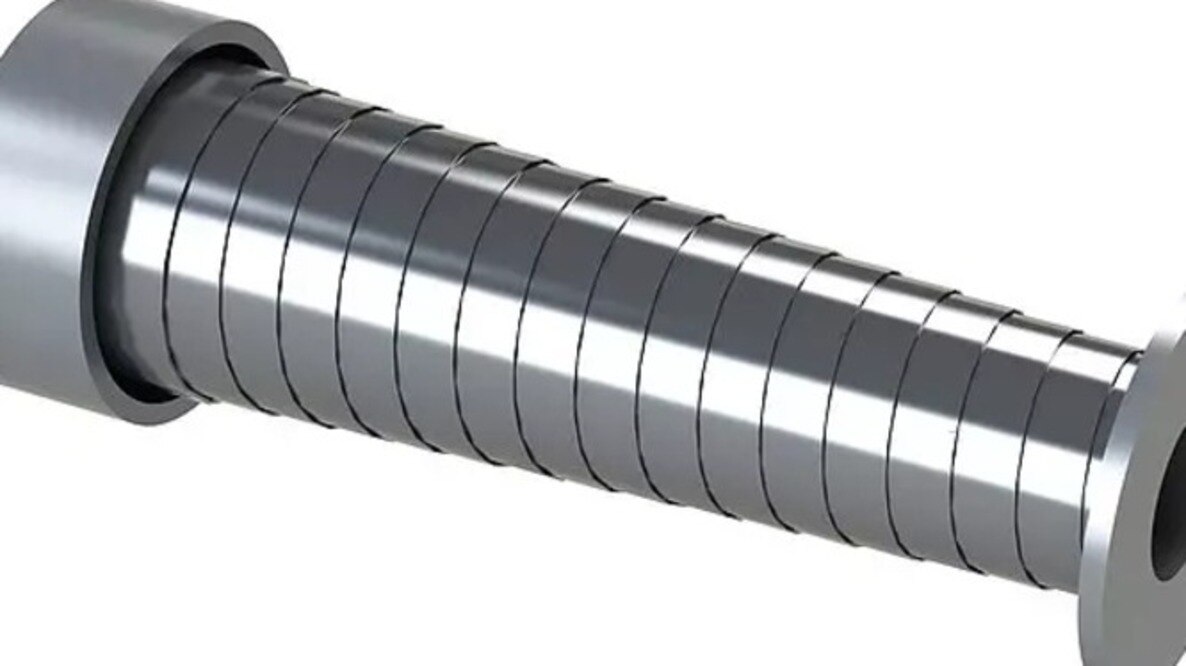
An apron cover earns its cost when it reduces contamination on an exposed way, slide, table or screw without adding excessive moving mass, friction or maintenance. By the end, you will be able to match the cover to your CNC hazards, compare alternative protection systems and request a quotation using measurements that prevent fit and performance problems.
Key takeaways
- Choose an apron cover when chips and coolant repeatedly reach moving machine surfaces.
- Check travel, folded length, mounting space, speed, load, and coolant exposure before ordering.
- Compare apron covers with bellows, telescopic steel covers, and wipers by hazard and access.
- Judge Chennai quotes by materials, drawings, testing, installation, warranty, and replacement support.
When the Protection Pays for Itself
An apron cover pays for itself when an exposed horizontal or vertical moving surface repeatedly receives chips or coolant, and the cover moves within the axis-load and available-space limits. The apron cover machine protection benefits come from reducing contamination of guideways, ballscrews and linear bearings—not from the cover price alone.
Avoided cleaning, repairs and contamination-related downtime provide the economic return.
Include these lifecycle costs before approving the purchase:
- Purchase, mounting hardware and installation time
- Routine removal of trapped chips and coolant residue
- Wiper inspection, adjustment and replacement
- Repair of torn fabric, damaged fasteners or bent slats
- Replacement of worn sections or the complete cover
- Verification that friction and moving mass have not increased drive load
- Checks for tracking, sagging, rubbing and restricted axis travel
Buy the cover when it protects a vulnerable precision component without limiting travel or creating a new failure point. A loose wiper can let coolant reach the way; an overly tight one can raise friction and overload the axis.
Reject the cover when frequent replacement costs more than the contamination it prevents, or when its weight and geometry cause tracking errors, sagging or acceleration problems. Include cleaning frequency, chip type, coolant exposure and local service access in the calculation.
Which CNC Hazards and Applications Suit an Apron Cover
An apron cover suits exposed guideways, tables, slides and other horizontal or vertical moving surfaces facing metal chips, coolant splash, cutting oil, moderate heat, chip impact and repeated flexing. It deflects contamination from guideways, ballscrews and linear bearings, but it is not a hermetic enclosure.
Construction determines the boundary of protection:
| Construction | Strength | Main limitation |
|---|---|---|
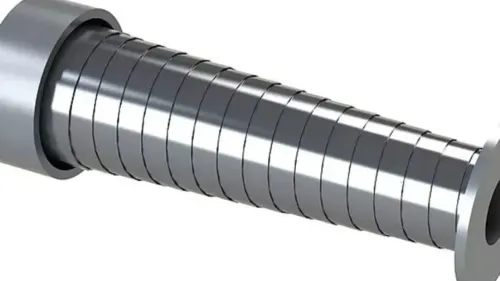
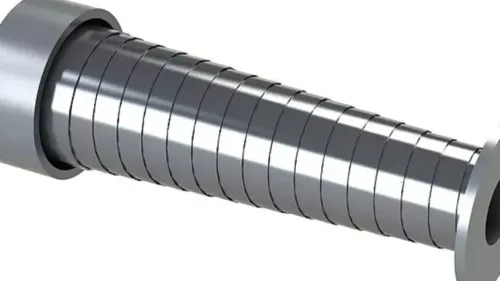
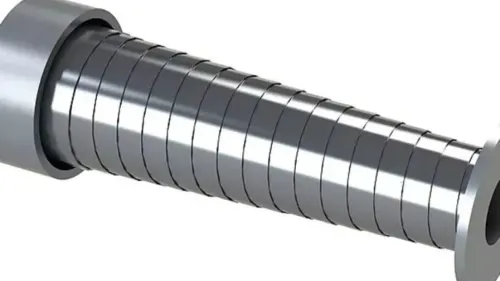
| Steel slats | Handles heavier, sharper and hotter chips with greater impact resistance | Adds mass and needs adequate axis capacity and installation space |
| Fabric | Reduces moving mass and fits tighter, more flexible installations | Cuts, abrasion and local hot-chip damage can quickly create openings |
For buyers weighing apron cover benefits for CNC machines in Chennai, treat the design as one barrier within the machine’s guarding system. Slat overlaps, side gaps, wipers and mounting interfaces can pass fine chips or fluid, especially when a wiper wears or an overly tight seal raises drive load.
Choose another or additional barrier when the application involves:
- Hot or needle-sharp chips that can burn or puncture the cover
- High-pressure coolant aimed directly at joints
- Abrasive grinding dust
- Large chip loads that accumulate faster than the cover can deflect them
- A sealed enclosure for coolant containment or operator protection
Inspect beneath the cover for trapped chips, check wipers for wear and replace torn fabric before contamination reaches the moving surface. A fixed panel, telescopic cover or full enclosure may be necessary alongside the apron.
How an Apron Compares with Other Machine Protection
Choose protection by hazard, travel and installation envelope, not by machine size alone. Telescopic steel covers suit rigid, heavy-duty defence against sharp chips and concentrated coolant; reject them when weight, folded height or complex access makes installation impractical.
| Option | Best fit | Main reason to reject |
|---|---|---|
| Telescopic steel cover | Sharp chips and concentrated coolant | Excess weight, folded height or difficult access |
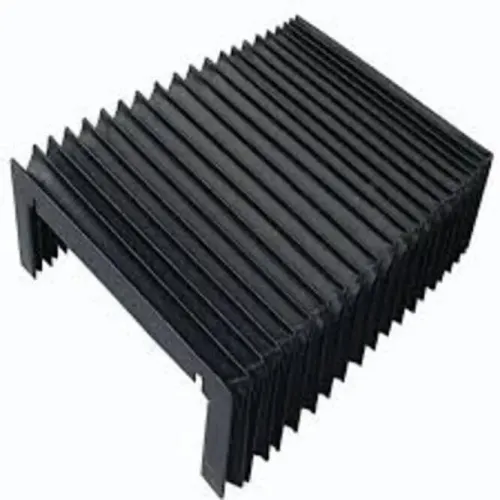
| Bellows | Irregular movement and tight spaces | Abrasive chips or hot swarf can cut or burn fabric |
| Roll-up cover | Compact storage over a selected linear opening | Rolled package obstructs tools or visibility |
| Fixed guard | Areas that never move | Blocks maintenance or required access |
| Full machine enclosure | Coolant containment, operator protection or sealed coverage | Restricts maintenance or required access |
Choose bellows around irregular movement and tight spaces, but do not expose fabric to abrasive chips or hot swarf. Choose roll-up covers where storage space is limited, then check the retracted roll against tool clearance and sightlines.
An apron cover for CNC machine in Chennai fits exposed moving surfaces when it deflects chips and coolant without exceeding axis-load, travel or clearance limits. It is not a cable carrier: specify an energy chain separately, with the correct bend radius, travel length, cable separation and strain relief.
For a final choice, compare chip temperature, sharpness, coolant pressure, travel speed and maintenance access. Telescopic steel provides the strongest barrier; fabric bellows reduce mass; an apron occupies the middle ground for guided, repeated movement.
What to Measure Before Ordering a Custom Cover
A supplier cannot size a custom apron cover for machining equipment from axis length alone. Missing geometry commonly causes end-of-travel interference, excessive folded height or a cover that overloads the drive.
1. Measure the protected length, minimum and maximum travel, opening width, folded and extended lengths, mounting-hole pattern, orientation, available clearances, bend radius, nearby obstructions and attachment method. Check tool and fixture access at both ends.
2. Specify the construction: aluminium-strip width and thickness, fabric type, strip overlap, wiper arrangement and expected cover weight. Record travel speed, acceleration and stroke frequency, then note chip shape and temperature, coolant or oil chemistry, operating temperature and cleaning method.
3. Inspect the cover fully extended and retracted. Confirm axis clearance, chip evacuation, coolant drainage, lubrication-point access, sensor clearance and operator visibility. Record cable routes separately; the apron is not a cable carrier.
4. Require a production-speed acceptance test across the complete programmed travel, not only a static fit check. Watch for rubbing, buckling, loss of overlap, wiper lift, leakage, excessive drive load and interference at either end. An overly tight wiper raises friction and drive load; a loose or worn one lets coolant and fine chips through.
Include Chennai-specific cleaning frequency, wet coolant practice and corrosion exposure in the request.
How to Compare Quotes and Judge the Chennai Buying Decision
A standard replacement with known dimensions can be priced from a catalogue or local fabrication estimate. A custom apron cover includes material, strip geometry, fabric, overlap, wipers, support hardware, testing and installation, so the industrial apron cover price in Chennai has meaning only against a matching specification.
| Option | Quote basis | Check before comparing |
|---|---|---|
| Standard replacement | Known opening, travel and attachment pattern | Confirm dimensions, orientation, weight and replacement parts |
| Custom cover | Application-specific design and testing | Confirm chip type, coolant, speed, load limit and maintenance access |
| Low headline price | Fewer included services or lighter construction | Check service life, wiper availability, repair method and installation support |
Ask every supplier to quote the same:
- Protected length, travel, opening, orientation, speed and acceleration
- Chip type, coolant or oil, wet coolant practice, cleaning frequency and corrosion exposure
- Attachment points, weight limit, maintenance access, replacement parts and local service response
For an apron cover for CNC machine in Chennai, compare the cleaning interval and expected service life, not only the purchase figure. A cover that needs frequent replacement, restricts travel or raises drive load can cost more than a robust design through downtime and maintenance.
A discussion with SCUTES INDIA PRIVATE LIMITED should test whether the proposed apron protects the exposed way or screw within the axis-load and envelope limits. Measure purchase, installation, cleaning, repairs, replacements and service visits against contamination-related downtime. Choose the cover when that lifecycle cost is lower.
Frequently asked questions
When does an apron cover pay for itself on a CNC machine?
It pays for itself when repeated chip and coolant contamination causes guideway, ballscrew, bearing, cleaning, or downtime costs that exceed the cover investment.
Which CNC hazards suit an apron cover?
Apron covers suit exposed horizontal or vertical moving surfaces facing chips, coolant, oil, and mechanical contact, provided the axis load and available space are suitable.
How does an apron cover compare with other machine protection?
Compare it with bellows, telescopic steel covers, wipers, and cable carriers according to hazard severity, travel, folded length, access requirements, and heat exposure.
What should you measure before ordering a custom apron cover?
Measure protected length, travel, width, height, mounting points, folded length, clearance, motion speed, axis orientation, and the expected chip, coolant, oil, and heat exposure.
How should you compare apron cover quotes in Chennai?
Compare material specification, construction drawings, mounting details, delivery scope, testing, warranty, installation, replacement parts, and after-sales support—not price alone.