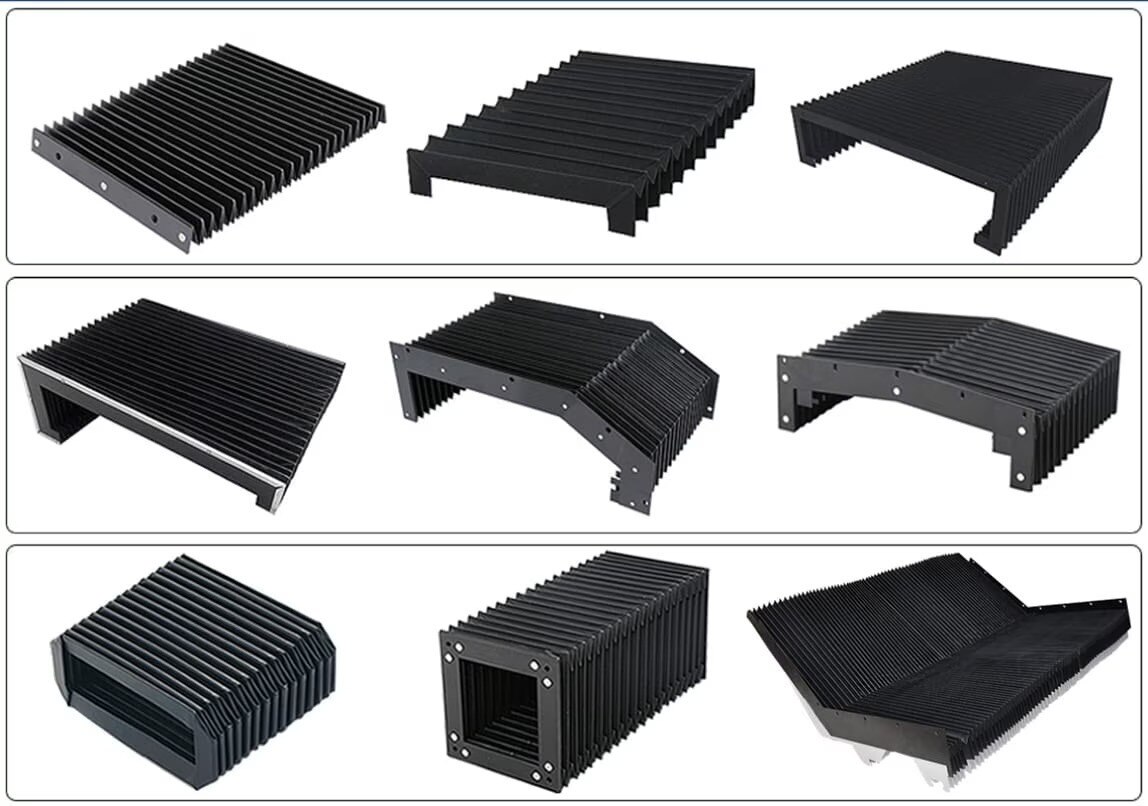
A pinhole, open seam or distorted fold is not merely a cosmetic defect if it lets chips, coolant, rain or hydraulic oil reach the lift mechanism. By checking the bellows through its permitted travel, identifying the cause of damage and comparing repair with replacement, you can make a safer service decision instead of fitting a new cover that fails again.
Key takeaways
- Treat holes, pinholes, open seams and torn folds as cover failure.
- Isolate power and secure the lift before scissor lift bellow inspection.
- Choose repair only when the material, folds and mounting remain serviceable.
- Send dimensions, photos, machine details and damage location for a quotation.
Which scissor lift bellow damage signs mean the cover has failed?
A hole, pinhole, open seam or torn fold means the cover has failed, not merely become dirty. Any opening can admit dust, metal chips, water, coolant or hydraulic fluid, so treat that section as failed until the manufacturer or a qualified bellows specialist confirms an approved repair method.
| Inspection finding | Cosmetic condition or failure | Why it matters |
|---|---|---|
| Dust or surface staining | Cosmetic if the material remains sealed, firm and flexible | Clean it with a compatible method, then inspect again |
| Torn fabric, pinholes, open seams, split stitching or exposed reinforcement | Functional failure | Creates a direct contamination path |
| Cracked or delaminated coating, melted or glazed material, oil or coolant saturation, or heat damage | Functional failure | Weakens sealing, flexibility and material strength |
| Abrasion, polished marks, distorted pleats, bulging or sagging | Failure indicator | Shows contact, heat, overstretching or loss of support |
| Loose fasteners, separated end frames or corrosion on frames and retainers | Mounting failure risk | Chennai’s humidity and salt-laden air can loosen retainers and raise abrasive edges |
The most important scissor lift bellow damage signs include rubbing against the platform, linkage, scissor arms, hoses or wiring. Wear concentrated on one side or at one fold points to misalignment, trapped chips, a sharp edge, insufficient clearance or interference—not normal aging.
Continued operation can contaminate pins, rollers, cylinders, sliding surfaces, hoses and wiring. Loose fabric or reinforcement can also enter the moving mechanism. Stop and investigate before further cycling. A replacement will fail again if the initiating contact or alignment fault remains.
How do you inspect scissor lift bellows without creating a new hazard?
A scissor lift bellow inspection starts with controlling movement, not touching the cover. Identify the machine and follow the lift manufacturer’s isolation procedure before entering the danger zone.
1. Lock out electrical, hydraulic, pneumatic and other energy sources. Prevent unexpected movement, then mechanically support the raised structure with the manufacturer-specified supports. Never reach into or measure an unsafe moving lift.
2. Remove dust, chips, oil and coolant using only a cleaning method compatible with the bellows fabric, coating, adhesive and end-frame materials. Aggressive solvents can cause cracking or swelling that looks like service damage.
3. Inspect every fold and seam, plus each end frame, retaining strip, screw, guide and adjacent hose or cable. Look for pinholes, openings, exposed reinforcement, softened material, loose hardware and any path through which contamination can reach the mechanism.
4. Examine the bellows fully compressed and fully extended, using only the manufacturer’s safe-access method to reach those positions. Watch for pleats that stack unevenly, pinch, stretch, rub, trap chips or touch the scissor arms, platform or linkage.
5. Record the exact stroke position where contact, distortion or rubbing occurs. A stationary cover can look intact while failing at one point in travel.
Dust or discoloration alone is cosmetic when the material remains sealed and firm. An opening, exposed reinforcement, softened section or contamination path requires action, because continued travel can spread the failure and contaminate moving parts.
When is a repair safer than scissor lift bellows replacement?
Repair is safer only for an isolated, accessible stitch failure or small tear after a qualified bellows specialist or original manufacturer specifies the patch, adhesive, restitching, welding or coating process. It can reduce immediate downtime.
Do not apply a generic adhesive patch across a moving fold: it can stiffen the pleat, concentrate stress and fail repeatedly.
| Option | What it means | When it applies |
|---|---|---|
| Patching | Approved local reinforcement | Small tear on sound material |
| Restitching | Replacing failed thread or seam | Isolated, accessible stitch failure |
| One-fold replacement | Replacing a damaged fold section | Damage confined to one section |
| Complete custom bellows | Fabricating the full cover | Multiple damaged folds or lost shape |
Replacement is safer when several folds are damaged, surface cracking is widespread, material is burned, delaminated or chemically swollen, pleats have lost shape, end frames or mounting hardware are detached, contamination cannot be removed, or damage passes through multiple folds. Before choosing scissor lift bellows replacement in Chennai, find the initiating fault:
- Incorrect folding geometry, overextension or trapped chips
- A moved attachment point, failed guide or insufficient clearance
- Misalignment, a sharp edge or hydraulic leakage
- Hose or cable interference
A new bellows will fail early if that cause remains. Repair also does not automatically restore the original stroke, flexibility, sealing or temperature resistance; require validation before returning the lift to service.
What should you give a Chennai service provider before requesting a quotation?
A reliable quotation for scissor lift bellows for repair in Chennai starts with travel data, not just a photograph or overall width. Record the machine model, identification-plate details and bellows identification, then measure:
- Compressed and extended lengths
- Width, height and fold depth
- Number and pitch of folds
- Mounting-hole positions and attachment method
- Travel direction and available clearance
- Number of sections moving with the lift arms
Describe the operating environment: metal chips, dust, coolant, hydraulic oil, rain, ultraviolet exposure, salt air, temperature range, cleaning chemicals and solvent vapour. Ask for inspection, temporary containment, factory repair, complete replacement, installation and functional cycling as separate quotation lines.
Send photographs of all four sides, every damaged area, mounting points and nearby interference. Take them only after isolation; never photograph by reaching into an unsafe moving lift. Include the measured travel positions where the bellows compresses, extends or rubs.
A credible provider should inspect mounting geometry and identify the initiating failure, then issue a drawing or measurement record. Require the proposed material, seam, reinforcement, fastening method, temperature and chemical limits, repair limitations, warranty, lead time and testing method in writing.
For scissor lift bellows service in Chennai, ask whether “service” means an approved repair or replacement rather than lubrication or an unspecified patch. SCUTES INDIA PRIVATE LIMITED is useful when it converts these site records into a fit-for-travel specification.
Related product
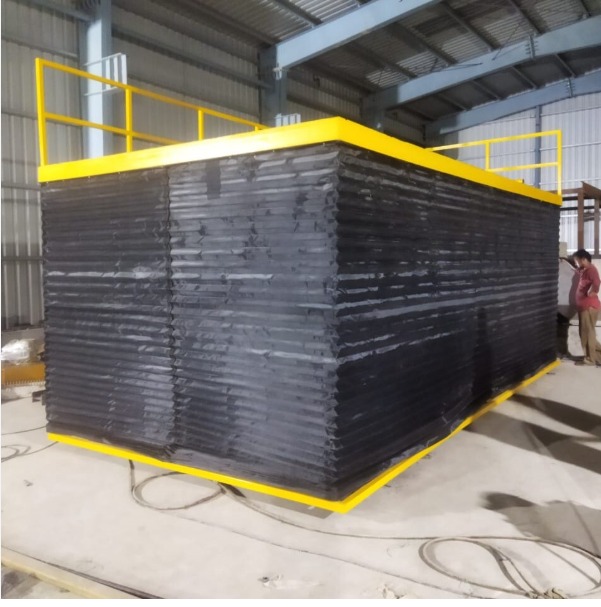 | SCISSOR LIFT BELLOWS Scissor Lift Bellows are one of the broadly demanded stabilizer for which we are considered an acclaimed designed in the market. View product → |
How do you confirm the repaired or replaced bellows is safe to use?
A safe decision rests on a signed field report, not a clean-looking fabric surface. Record the inspection date, machine identification, operating position, damage location, suspected cause, photographs, measured dimensions, temporary controls, selected repair or replacement scope, and the person approving the decision.
1. Before installation, compare the repaired or new bellows with the permitted stroke and mounting drawing. Confirm that it does not restrict travel, obstruct safety devices, contact the scissor arms, or reduce maintenance access.
2. Inspect the end frames, retaining strips, screws, guides, and adjacent cable or hose carriers. Correct corrosion, raised edges, loose hardware, displaced guides, and any sharp edge that could damage the bellows on its first cycle.
3. Cycle the lift through its complete permitted travel at slow, controlled speed under the manufacturer’s safe operating procedure. Watch every fold and record whether the bellows stacks evenly, reaches full extension, remains securely mounted, avoids rubbing or trapping, clears hoses and wiring, and closes the protected space at each required position.
4. Obtain a test record identifying the travel tested, observed results, restrictions, photographs, and final approval. A static visual check cannot prove correct operation.
For scissor lift bellows service in Chennai, request this report as part of the scope. If you seek scissor lift bellows replacement in Chennai, require the same evidence rather than accepting “replacement” alone.
The bellows is not a fall-arrest system, load support, or personnel guard; assess those hazards separately through ISO 12100’s machine risk-assessment and risk-reduction framework.
Frequently asked questions
Which scissor lift bellow damage signs mean the cover has failed?
A hole, pinhole, open seam or torn fold means the cover has failed. These openings can admit dust, chips, water, coolant or hydraulic fluid.
How do you inspect scissor lift bellows without creating a new hazard?
Stop the machine, isolate its power, prevent unexpected movement and follow the manufacturer’s maintenance procedure before touching the bellows. Inspect folds, seams, mounting points and nearby moving parts without placing hands inside the mechanism.
When is a repair safer than scissor lift bellows replacement?
Repair is safer when the damage is localised and the remaining material, folds, seams, mounting and clearances are sound. Replace the bellows when damage is widespread or the cover no longer maintains protection through the full travel.
What should you give a Chennai service provider before requesting a quotation?
Provide the machine make and model, bellow dimensions, travel length, folded and extended sizes, material, mounting method, damage location, operating conditions and clear photographs.
How do you confirm the repaired or replaced bellows is safe to use?
Check that it is securely mounted, moves freely through the complete stroke, does not rub or pinch, restores coverage and clears nearby components. Complete a controlled test under the manufacturer’s procedure before returning the lift to service.