
Fine sand, airborne dust and cutting debris do not create the same protection problem, and a cover that shields a guideway will not keep dust off a focusing lens or mirror. You will be able to separate those risks, choose the right cover form, check its fit through the full machine envelope, and set a cleaning and procurement specification that suits Dubai’s hot, dusty operating conditions.
Key takeaways
- Match the cover material to dust, grit, coolant and travel speed.
- Check clearances, travel limits, mounting points and wiper contact before installation.
- Remove dry dust before it reaches joints, seals or guideways.
- Specify tests for travel, sealing, access, cleaning and maintenance documentation.
What Dubai dust does to a laser machine—and what a telescopic cover actually protects
Fine airborne dust enters a laser machine through ventilation, access openings and enclosure gaps; windblown sand settles on exposed rails, covers and housings. The phrase telescopic cover dust in Dubai describes two threats, not one: dry dust can coat surfaces and cooling paths, while coarse grit can enter gaps and abrade moving surfaces.
Keep it separate from abrasive metal chips, hot cutting debris and powder produced during processing; those contaminants demand different heat, impact and chemical resistance.
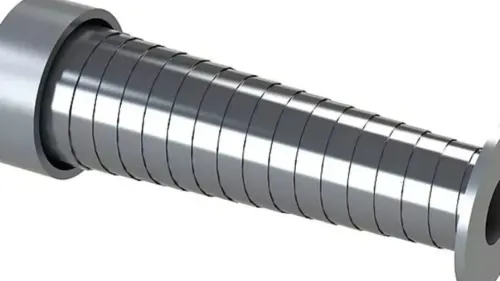
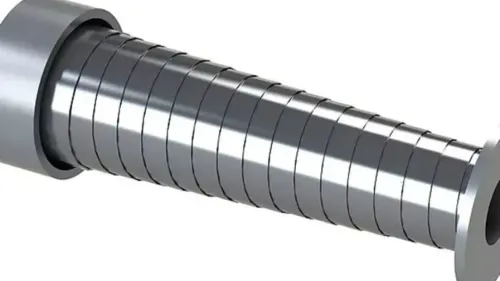
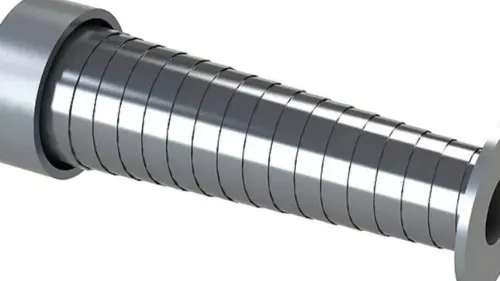
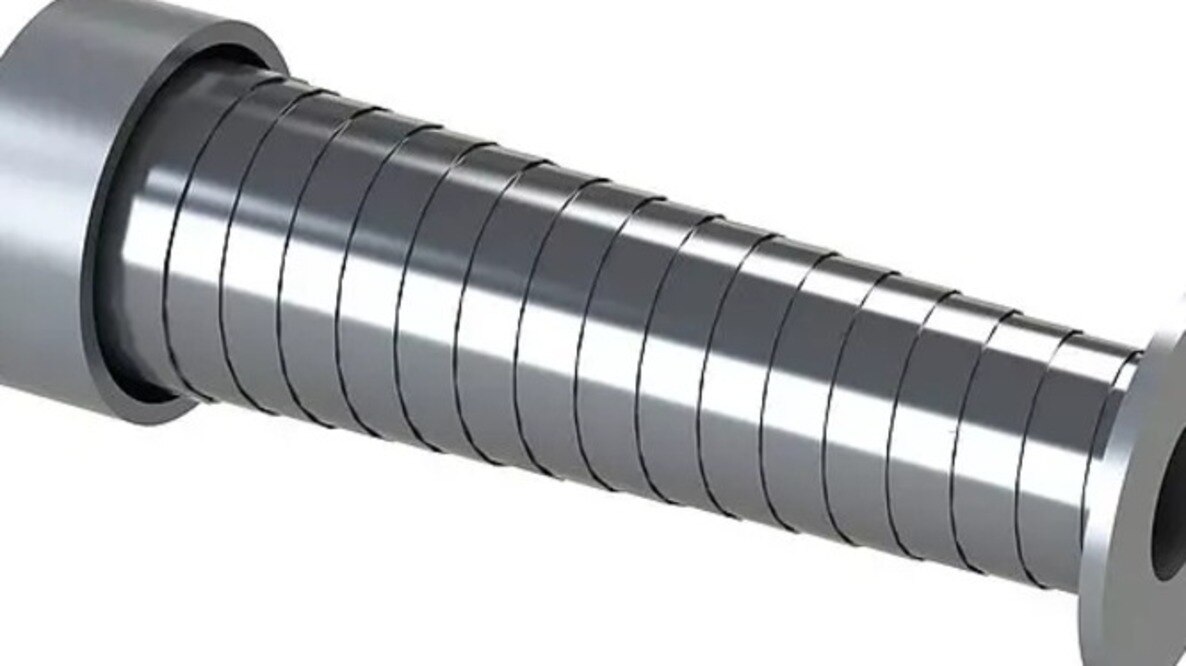
A telescopic cover is a machine guideway dust protection component for rails, screws, racks and bearings. Confirm these points before treating it as a dust barrier:
- Sealed boxes do not guarantee exclusion: dust can pass through end seals, mounting interfaces, stage overlaps or poorly designed wipers.
- The cover does not replace the sealed laser enclosure, fume-extraction system, room filtration or optical protection.
- Fine dust can settle on optics and electrical cooling paths; coarse grit can reach gaps and wear moving surfaces.
The laser head, focusing lens, mirrors, optical path, electronics and cooling surfaces need their own enclosure, extraction and maintenance controls. A telescopic cover protects the moving mechanism beneath it, not the entire laser process; cable carriers, doors and transfer openings can still carry contamination around the machine.
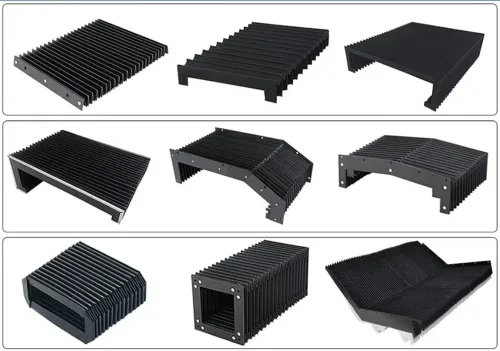
Choosing between steel, bellows, roll-up covers and wipers
A telescopic steel cover is the stronger choice when hot chips, sparks, abrasive debris or accidental impact threaten the guideway. Its cost is mass: higher acceleration, stopping and guide-load requirements can increase motor loading and reduce achievable cycle speed.
| Option | Movement and space | Contamination and exposure |
|---|---|---|
| Telescopic steel cover | Suits straight axes with room for stacked stages | Best resistance to hot debris, impact, coolant and abrasion |
| Fabric bellows | Fits narrow clearances, irregular three-dimensional paths and frequent extension | Fabric can puncture, crease and wear from hot particles or sharp debris |
| Roll-up or apron cover | Suits long or compact axes where a stacked steel cover cannot fit | Protects broad runs, but exposed joints and edges need careful sealing |
| Brush wipers | Follows an interface with minimal space or movement complexity | Removes dry dust; it is not a sealed enclosure and will not stop fumes, oil or chips |
Choose bellows when geometry rules out a rigid stack, not simply because they cost less. Choose roll-up or apron arrangements for long travel, then check how their edges handle fine powder, coolant and oil.
Brush wipers can support a laser machine cover in Dubai by sweeping dry dust from an interface, but they cannot replace an enclosure.
Base the decision on cutting fumes, fine powder, coolant, oil, axis orientation and stroke frequency. Combine systems with side skirts, labyrinth seals, bellows or local extraction where openings remain. A telescopic cover for laser machines is not automatically “dustproof”: demand the test medium, cycle count, speed, acceleration and ingress criterion.
How to fit-check a cover before it reaches the laser machine
Fit-check a telescopic cover for laser machines from the supplier drawing before anyone installs it inside the enclosure. Reject a drawing that omits the cover’s geometry or the machine’s actual duty cycle.
1. Require the supplier drawing to show guideway length, closed or collapsed length, maximum extension, cover width and height, mounting-face dimensions, stage count, moving-axis travel and stack height.
2. Add the machine’s maximum speed, acceleration, vibration, cycle frequency, axis orientation and allowable cover mass to the requirement sheet. A dimensional match can still overload the axis.
3. Check both ends of travel and every intermediate position for collision with the laser head, nozzle, sheet-loading envelope, cable carriers, hoses, fume-extraction ducting, linear scales, service points and enclosure panels. Use a full-scale clearance mock-up when visibility is limited.
4. Verify that the fully retracted cover preserves maintenance access and the working envelope. Confirm that drainage and cleaning access remain reachable, and that the cover does not obstruct pressure-relief, extraction or condensate paths.
5. During commissioning, run the cover through its complete stroke at production speed. Listen for abnormal noise, watch for stage contact and hesitation, monitor motor load, and inspect for loose brackets and wiper drag. Stop the cycle if contact or rising load appears.
Cleaning and inspecting the cover through Dubai’s dusty season
Inspect the cover at the start of every shift during a severe dust event and at least weekly during ordinary dusty operation. Increase the frequency when grit appears at the front edge, wipers or mounting ends; accumulated telescopic cover dust in Dubai can be dragged into overlaps and create an abrasive grinding paste.
1. Stop the axis and remove settled dust before retracting the cover over it. Use a vacuum or the machine maker’s controlled low-pressure method. Do not use unrestricted compressed air around an open enclosure, optics, sensors, linear scales, bearings or electrical cooling paths; it can redistribute fine dust into those areas.
2. Check the end seals, intermediate wipers, box overlaps, fasteners and mounting interfaces. Look for dents, loose hardware, abnormal gaps, incorrect stage sequencing and abrasive paste formed from dust, coolant or wash-down residue. These checks provide machine guideway dust protection where a cover is most likely to leak.
3. Confirm the wiper specification: material, temperature range, compatibility with cleaning agents and cutting fluids, contact force and replacement method. Excessive compression raises friction, causes cover hesitation and can overload the axis motor; maximum pressure is not the goal.
4. Record the inspection date, contamination found, cleaning method and replaced parts. Repeat the check after cleaning if grit remains at a seal or the cover hesitates during its full stroke.
What to put in the purchase specification and supplier acceptance test
Put the machine’s duty cycle, not just its envelope, into the purchase order; otherwise a telescopic cover for laser machines can fit the drawing and still fail during Dubai dust season.
1. State closed and extended dimensions, axis travel, maximum speed, acceleration, cycle frequency, orientation, allowable cover mass, surrounding temperature, particle type, coolant or oil exposure, cleaning method and required service life.
2. Request section thickness, material grade, corrosion-resistant treatment or finish, end-seal and intermediate-wiper design, box overlap, mounting tolerances, replacement parts, and permissible operating temperature. Specify whether wipers remove dry dust, abrasive fines, coolant or hot particles.
3. Define the supplier acceptance test around your machine: test medium, particle-size assumptions, cycle count, speed, acceleration, temperature, chemical exposure and the maximum permitted ingress at seals, overlaps and mounting interfaces. Reject “dustproof” as a standalone claim.
4. Record whether steel durability justifies its moving mass. Require confirmation of motor-load, stopping-distance and clearance effects, then run the cover through full travel at production speed while checking stage contact, noise, wiper drag, bracket movement and interference.
SCUTES INDIA PRIVATE LIMITED can review the machine drawing and duty cycle, then return operating limits, replacement-part details and documented acceptance checks rather than a generic performance statement.
Related products
 | TELESCOPIC COVERS A telescopic cover protects guide-way surfaces and components of moving axis of machines. View product → |
 | Laser Machine Bellows Laser Machine Bellows are specialized protective coverings designed to safeguard the vital internal components of laser machines. View product → |
Frequently asked questions
What does a telescopic cover protect on a laser machine?
It shields exposed guideways and moving machine parts from settled dust, coarse grit, chips, coolant and mechanical contact. It does not replace enclosure sealing or ventilation filtration.
How do steel, bellows, roll-up covers and wipers differ?
Steel telescopic covers suit rigid, high-abrasion protection; bellows suit flexible coverage around complex movements; roll-up covers suit compact installation spaces; wipers remove debris at contact points rather than providing complete enclosure protection.
What should you check before fitting a machine cover?
Check the closed and extended dimensions, travel length, mounting holes, access clearance, interference with the laser head, drain paths, wiper contact and the machine’s full operating movement.
How should you clean a cover during Dubai’s dusty season?
Remove loose dry dust with a suitable low-pressure method, then inspect joints, seals, wipers, rollers and mounting hardware. Do not push abrasive grit into sliding interfaces.
What belongs in a telescopic cover purchase specification?
State the protected machine area, travel, closed length, extended length, width, height, material, surface finish, wiper arrangement, operating conditions, mounting details, cleaning method and acceptance tests.