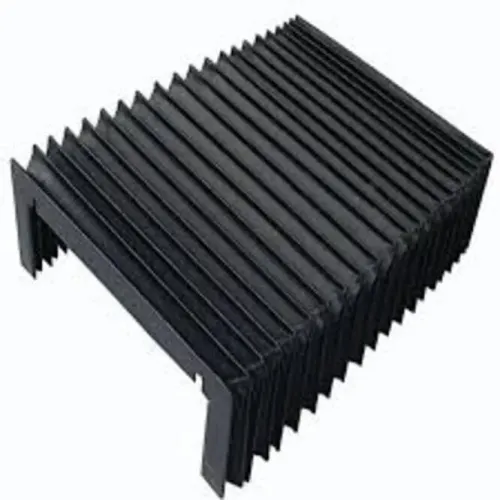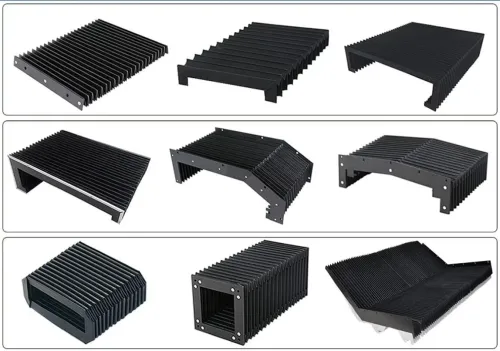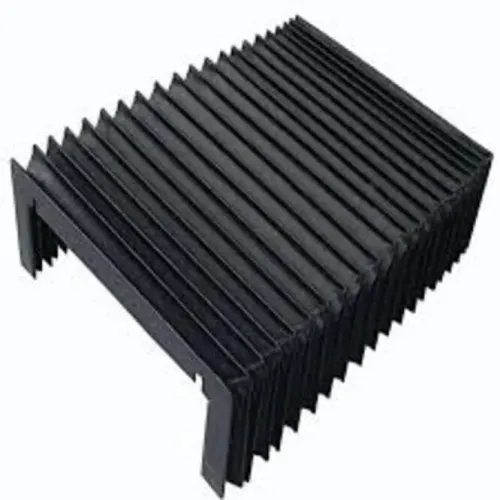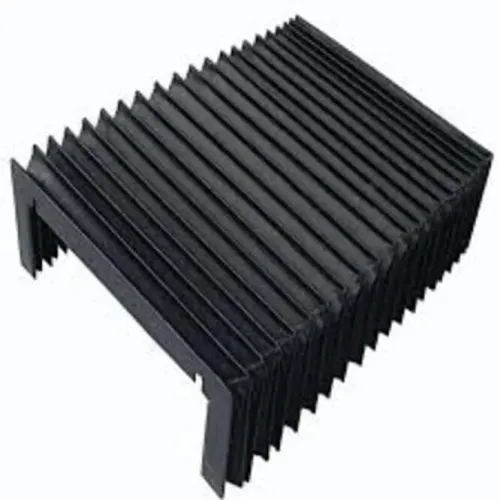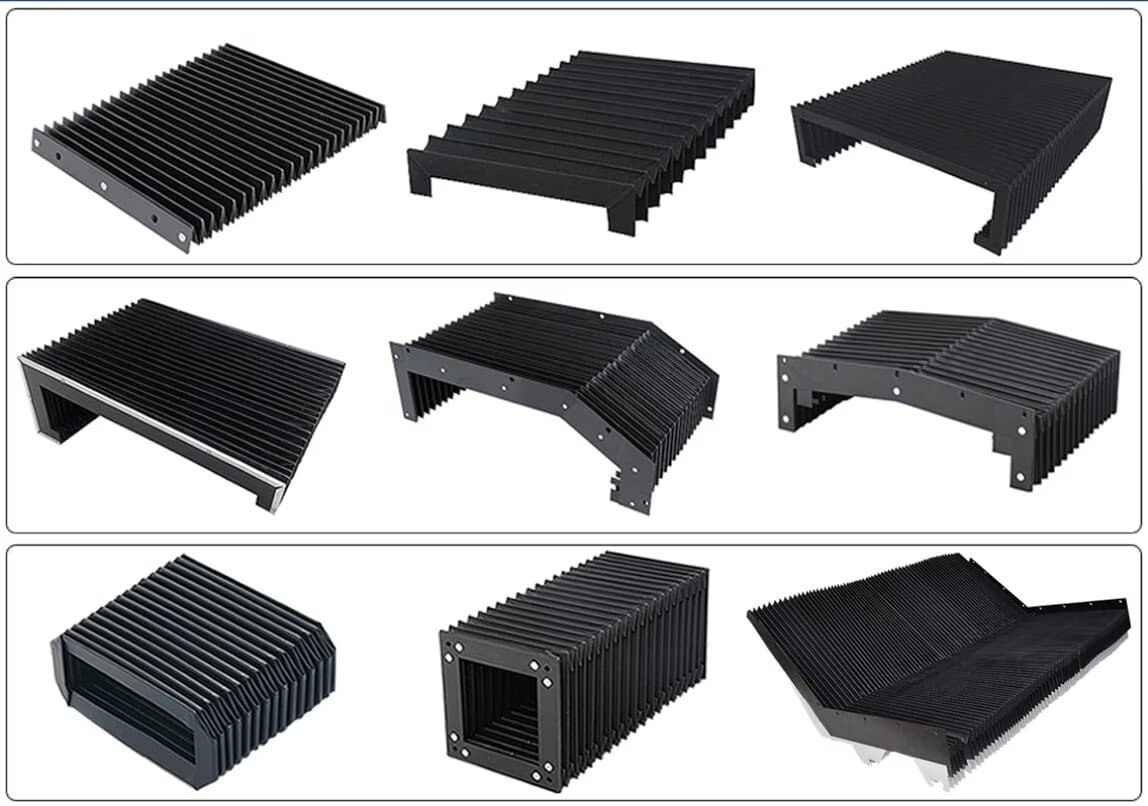
Scraping, uneven travel, exposed shaft sections and slow retraction are warning signs that a spiral spring guard or telescopic cover is no longer protecting the machine reliably. By identifying the failure mode, checking the installation and operating conditions, and matching the repair to the duty cycle, you can avoid replacing a damaged component without fixing the cause.
Key takeaways
- Stop operation when coils bind or any shaft section becomes exposed.
- Remove chips and coolant before checking spring travel and coil damage.
- Inspect the spring, cover, shaft alignment and mounting as one system.
- Match replacement springs to travel, speed, acceleration and contamination exposure.
Identify the Spiral Spring Failure Before It Damages the Machine
A spiral spring is no longer providing reliable machine protection when it binds, deforms, or leaves any shaft section exposed during the commanded travel. Common spiral spring failure causes include excessive extension or compression, coil-to-coil interference, lateral misalignment, abrupt acceleration, and chips trapped between moving turns.
Inspect the spring while the machine is stopped, then observe one complete travel cycle. Look for crushed coils, uneven winding, permanent deformation, fatigue cracks, visible gaps, buckling, seized turns, and lost preload. A spiral-wound shaft guard can shield against incidental chips and coolant spray; it is not automatically a rigid enclosure or an operator-impact barrier.
1. Listen for scraping, clicking, or section impact during extension and retraction. These sounds indicate rubbing, trapped debris, damaged guide shoes, or a cover reaching misaligned end positions.
2. Watch for hesitation, slow retraction, uneven extension, vibration, or repeated contact with the machine. Rising resistance can overload the drive before the guard visibly fails.
3. Check for exposed shaft sections, oil leakage, lifted wipers, and coolant or sludge packed between turns. Adding lubricant over abrasive contamination increases drag and carries debris deeper into the mechanism.
4. Identify the component before ordering a replacement. “Spiral spring” may mean a spring-steel shaft guard or the spring mechanism inside a telescopic steel cover; confirm strip material, winding direction, installed length, travel, and whether the part carries load.
5. Stop production if the cover jams, buckles, cracks, or misses its end position. Continued cycling can damage the shaft, guideway, wipers, or drive.
How Bangkok Conditions Accelerate Spiral Spring Damage
A humid overnight shutdown can leave a thin water film on the strip, especially at coil edges, scratches and drain points. Many spiral spring problems in Bangkok start there: corrosion pits become stress raisers, then fatigue cracks grow during repeated winding.
- Humidity promotes surface corrosion on carbon spring steel. Pitting reduces the strip’s fatigue margin even when the cover still looks sound from a distance.
- Condensation forms when a cool machine meets warm, moist air. Trapped droplets remain between nested turns and attack contact areas that cannot dry quickly.
- Water-based coolant and alkaline cleaning fluid remove protective oil and leave residues. Repeated exposure can etch the strip, stiffen wipers and increase drag during retraction.
- Fine chips mix with coolant, grease and sludge to form an abrasive track. Adding lubricant over that film carries debris deeper into the coils instead of reducing wear.
- Dry dust abrades the contact surface and contaminates lubricant. Larger chips can lodge between turns, causing coil interference, uneven winding or a jam before full travel.
- Salt-laden air near coastal transport routes accelerates corrosion at exposed edges and damaged surfaces. Salt deposits also retain moisture after the surrounding air dries.
- Workshop temperature changes expand and contract the cover and machine structure at different rates. Rapid cooling creates condensation, while thermal movement can worsen marginal alignment and contact.
These mechanisms explain why spiral spring damage in Bangkok is not simply a loss of spring force. Corrosion, abrasive wear and trapped debris can permanently deform the strip or increase operating force long before the spring appears broken.
Inspect the Cover, Shaft and Installation as One System
A reliable diagnosis starts with the cover, shaft and mounting still treated as one system. Do not blame the spring until you have separated contamination, impact, fatigue, misalignment and incorrect sizing.
1. Lock out the machine and identify the component. Record strip material, winding direction, installed length, travel, shaft diameter and whether the spring guard or telescopic cover carries any load. This prevents a “spiral spring failure” diagnosis from being applied to the wrong part.
2. Remove chips, sludge and old lubricant without forcing the turns apart. Embedded fine chips, an abrasive track, sticky residue and uneven wear point to contamination. Adding grease before cleaning drives debris deeper into the sections.
3. Inspect each turn, nested transition, wiper and guide shoe. A dent, crushed coil or fresh bright impact mark indicates impact. Cracks at repeated bend points, thinning without a dent and progressive loss of preload indicate fatigue. Permanent set or uneven winding indicates overload or excessive extension.
4. Measure clearances with the cover fully open and closed. Check shaft clearance, unsupported length, mounting angle and guide parallelism. Side rub, one-sided wiper wear or a changing gap through travel identifies misalignment; the damage follows the contact side.
5. Compare the measured travel, compressed length, winding radius and acceleration with the specified values. Coil-to-coil interference or bottoming at an end position indicates incorrect sizing or overtravel.
6. Run one complete dry cycle and one coolant-contaminated cycle at production speed, including reversals and real acceleration. Record force, hesitation, section impact, wiper lift and end-position clearance; a slow hand stroke can miss telescopic spiral spring problems and other spiral spring failure causes.
Choose the Correct Cover and Set a Duty-Based Maintenance Plan
Compare protection by load, travel and contamination before comparing cover names. A spiral spring machine protection guard suits a shaft or screw exposed to incidental chips and spray, not operator access, impact or a pressurised jet.
| Option | Strength | Choose it when |
|---|---|---|
| Spiral spring guard | Compact, light, flexible | The protected shaft has radial clearance and moderate debris exposure |
| Telescopic steel cover | Rigid, impact-resistant | Large chips, heavy coolant or a milling axis require a hard barrier |
| Bellows | Seals irregular movement well | You need low-friction coverage around a guide, slide or screw |
| Apron cover | Handles hot chips and scraping | The axis has broad horizontal travel and abrasive swarf |
| Roll-up cover | Uses little stored space | Travel is long and the cover can remain tensioned and guided |
Specify the strip material, thickness, winding direction, installed length, travel, winding diameter, section clearance and whether the cover carries any load. Match carbon spring steel or stainless steel to the actual coolant, cleaner, salt exposure, magnetic requirement, forming limit and fatigue duty—not to Bangkok’s humidity alone.
Record cycles per shift, travel speed, acceleration, coolant contact, chip type and wash-down frequency. Telescopic spiral spring problems often start at a nested-section transition: a lodged chip or worn guide shoe raises force, then buckles a section or tears a wiper.
Set inspections by duty, not calendar time:
- Check each shift after abrasive chips or wash-down for trapped debris, exposed shaft and loss of alignment.
- Check weekly for corrosion, permanent set, edge cracks, wiper wear and guide wear.
- Measure opening force and travel monthly; stop the machine if force rises, coils gap or contact repeats.
That record turns spiral spring problems in bangkok into a measurable maintenance decision.
Repair, Replace or Source a Better-Matched Spring
Do not straighten, weld, re-tension or lubricate a spring in the field if it has cracked strip, crushed coils, permanent deformation, seized turns, exposed shaft sections or an unknown overload.
Those conditions can release stored energy or hide a geometry problem; adding lubricant over coolant sludge and chips can drive abrasive contamination deeper into the turns.
Confirm a replacement with a production-representative travel test, not a hand stroke:
- Run one complete dry cycle at production speed, including the real acceleration, deceleration and reversals.
- Repeat the cycle with the actual coolant and chip contamination present.
- Record abnormal force, hesitation, scraping, section impact, wiper lift and clearance at both end positions.
- Reject the part if it jams, changes winding pattern, contacts the machine or fails to cover the shaft at any commanded position.
Before ordering, give a Bangkok supplier the machine drawing and request these details in writing:
- Whether the part is a shaft spiral-wound guard or the spring mechanism inside a telescopic steel cover
- Strip material, thickness, surface treatment, winding direction, installed length, travel and preload
- Maximum speed, acceleration, cycle frequency, unsupported length, mounting angle and available clearances
- Whether the spring is load-bearing, plus coolant type, chip size, cleaning chemicals and operating temperature
- Inspection records and the proposed installation alignment procedure
SCUTES INDIA PRIVATE LIMITED can be included in a comparison only after these specifications separate a correctly matched cover from a dimensionally similar one. The main spiral spring failure causes are often excessive travel, side load or trapped chips, not simply lost spring force.
Related product
 | TELESCOPIC SPRING COVER Telescopic Spring Covers provide protection under extreme conditions. View product → |
Frequently asked questions
How can you identify spiral spring failure before machine damage occurs?
Look for binding, deformed coils, coil-to-coil interference, abnormal noise, restricted travel and exposed shaft sections during commanded movement.
Which Bangkok conditions accelerate spiral spring damage?
Heat, humidity, coolant, oil, abrasive chips and airborne dust can contaminate moving turns and increase corrosion, friction and wear.
What should you inspect besides the spiral spring?
Inspect the cover, shaft, mounting points, alignment, travel limits, acceleration profile and trapped chips as one protection system.
When should you repair, replace or source a better-matched spring?
Repair when contamination or a correctable mounting issue caused the fault; replace damaged springs and choose a better match when duty, travel or contamination exceeds the original design.