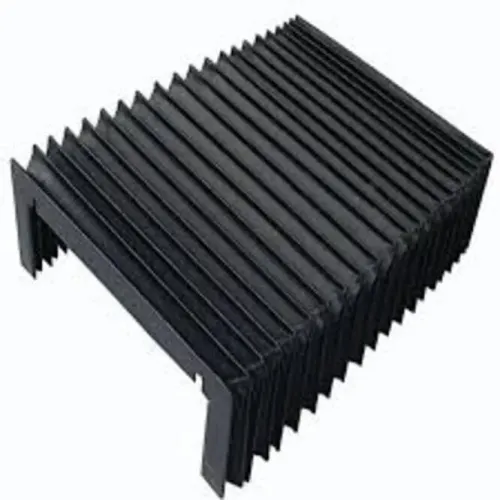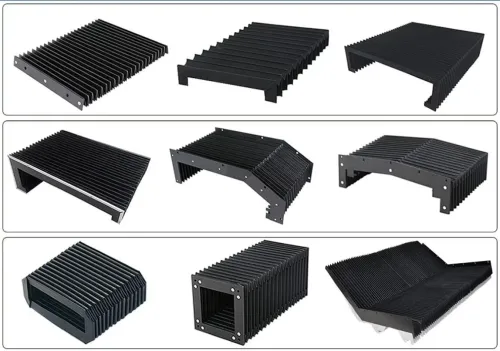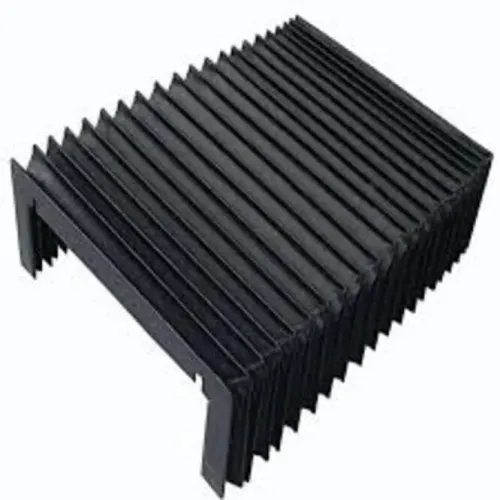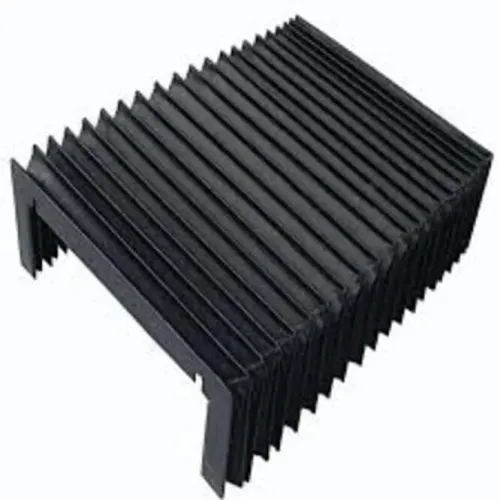
A spiral spring way cover saves space around a moving laser axis, but compact retraction does not guarantee protection from dross, fumes, coolant mist or laser radiation. By the end, you will be able to match the cover design to the axis geometry, process hazards, installation clearances and maintenance demands of a Bangkok machine shop.
Key takeaways
- Match cover material and seals to laser heat, coolant and debris.
- Measure travel, opening width, mounting points and retracted space before requesting a quote.
- Use bellows for flexible protection and steel covers for heavy chip impact.
- Check alignment, corrosion protection and spring action during commissioning.
How a spiral spring way cover moves and where it fits
A spiral spring way cover is a spring-retracted roll-up shield for a machine guideway or axis. Its cover material winds around a drum inside a housing, while concentric spring sections store energy during extension and pull the cover back during compression. One end mounts to the moving axis; the other mounts to the machine frame.
| Design | Movement mechanism | Practical fit |
|---|---|---|
| Spiral spring way cover | Cover rolls onto a spring-loaded drum | Fast motion and restricted space behind the axis |
| Bellows | Fabric or coated material folds into stacked pleats | Broad surface coverage and better edge sealing |
| Telescopic steel cover | Rigid nested boxes slide over one another | Heavy chips, coolant and higher structural loads |
| Non-spring roll-up cover | Cover rolls onto a drum using another return or drive method | Applications where spring retraction is unsuitable |
This design reduces the machine envelope, not laser cutting time or beam quality. It suits a clean, fast-moving laser axis in Bangkok when rear clearance is limited, but the drum diameter, spring housing and attachments still occupy space.
Keep the axis stops inside the cover’s mechanical limits; overextension or a hard slam can buckle slats, fracture the spring or tear the mounting. Overlapping slats and side guides also do not guarantee an airtight barrier against fine dust, smoke residue or coolant mist.
Match the cover to laser heat, debris and axis motion
A spring-retracted cover is suitable only when its materials, sealing arrangement and travel rating match the laser axis.
Its compact drum leaves more clearance around a restricted axis, which is one of the useful way cover spiral spring benefits for laser machines in Bangkok; it does not compensate for poor alignment, weak lubrication or thermal distortion.
Check these hazards before choosing the design:
- Hot dross and reflected heat can warp slats, damage wipers or overheat the spring housing. Request the permitted heat exposure and shielding arrangement in writing.
- Fine assist-gas dust, smoke residue and abrasive metal particles can enter overlapping slats and side guides. A spring cover is not automatically airtight; specify wipers, overlaps and cleaning access.
- Coolant mist, condensation and Bangkok humidity can corrode slats, springs and fasteners. Ask for slat and spring materials, surface treatment and lubrication restrictions.
- Rapid reciprocation and high acceleration can cause slat chatter, spring fatigue or attachment failure. Match the supplier’s cycle rating to actual axis speed, acceleration and daily cycles.
- A cover that reaches its machine limit before its own mechanical limit can buckle or tear. Fit separate axis stops and cover stops.
| Hazard | Selection consequence | Suitable when |
|---|---|---|
| Hot particles | Heat shield and temperature limit required | Dross is deflected and exposure stays within the documented limit |
| Fine dust or smoke | Sealing and wiper design controls ingress | Cleaning access and replacement wipers are provided |
| Coolant or condensation | Corrosion specification becomes essential | Materials and drainage suit the environment |
| Fast, abrasive motion | Fatigue and guide wear govern life | Travel, acceleration and cycle count are validated |
| Limited rear clearance | Drum space still needs allocation | Rolled diameter and housing fit the envelope |
Measure the axis before requesting a way-cover quotation
A quotation needs the axis envelope, not only its travel. For a way cover laser machine in Bangkok, measure the installed space and describe how the axis moves.
1. Record the protected guideway’s usable travel, plus the required cover length when fully extended and fully compressed. State whether the cover must protect the guideway throughout the entire stroke.
2. Measure the cover width and height at the mounting surface. Record both attachment-face dimensions, bolt-hole centres, thread sizes and the available space for the spring drum, housing and end brackets.
3. Measure clearance around the moving laser head, cable carrier, nozzle, workpiece and enclosure. Include the smallest gap during the complete stroke; a cover that fits at one end can collide at the other.
4. Give the axis orientation and motion data: horizontal or vertical installation, maximum speed, acceleration, cycle frequency, stroke length and expected operating cycles. State the machine’s hard limits separately from the cover’s required mechanical limits.
5. Photograph obstructions and mark the axis datum, travel direction and fixed versus moving attachment. Ask the supplier to confirm the compressed length, extended length, drum diameter, end-stop arrangement and permissible pull force.
6. Describe exposure to dross, abrasive dust, smoke condensate, coolant mist, humidity and cleaning chemicals. Request slat and spring materials, corrosion treatment, wiper replacement access and lubrication restrictions, because Bangkok’s moisture can shorten service life even when dimensions are correct.
Compare spiral springs with bellows, steel covers and roll-up covers
Choose the cover by the dominant failure: heat, particles, restricted space or replacement frequency. Key laser machine way cover benefits include compact retraction and less obstruction around a moving axis, but a spiral spring cover does not automatically seal fine dust, smoke condensate or coolant mist.
| Option | Heat and particles | Space | Service-life trade-off |
|---|---|---|---|
| Spiral spring | Metal slats tolerate brief hot-particle contact; overlapping joints and wipers remain vulnerable to fine abrasive dust and mist | Best where rear clearance is restricted; include the drum, housing and end attachments in the envelope | Suits fast reciprocation, but slat, spring and wiper life depends on alignment, travel limits and cycle count |
| Bellows | Broad coverage and better edge sealing; fabric or coating must match reflected heat, dross and coolant | Requires room for the folded pack | Good for wide surfaces, but burns, pinholes and folds can demand frequent inspection |
| Telescopic steel | Strongest choice for heavy chips, dross and coolant; rigid sections resist impact | Needs stacking space and clearance behind the axis | Long service life under harsh loading, with more mass and slower motion |
| Roll-up, non-spring | Fabric or curtain material can offer compact storage, but heat and sharp particles can cut or burn it | Compact, subject to drum and drive clearance | Motor, tension and material replacement add service points |
For Bangkok installations, request slat and spring materials, corrosion treatment, wiper replacement access, spare-spring availability and rated cycles. Choose steel when coolant and heavy dross dominate; choose a spiral spring cover when clean, rapid motion and tight space dominate. Never let axis travel exceed the cover’s mechanical limits.
Control alignment, corrosion and maintenance from commissioning onward
Set the machine axis limits and the cover’s mechanical limits separately. A hard stop on the CNC does not prevent the drum from overextending; pulling beyond the specified travel can buckle slats, unwind or fracture the spring, and tear the end attachment.
During commissioning, move the axis slowly through its full stroke and check that the cover runs square, without rubbing, twisting or slamming into the housing.
Use this commissioning and handover checklist:
- Measure the installed clearance around the drum, spring housing, guides and laser head at both travel ends.
- Fit positive stops or software limits before the cover reaches its designed extension or compression.
- Confirm that mounting faces are parallel and that fasteners cannot contact moving slats.
- Keep the cover out of the beam path and do not treat it as a laser safety barrier; retain the enclosure, interlocks and fume extraction.
- Record slat material, spring material, surface treatment and corrosion specification for Bangkok humidity, coolant mist and condensation.
- Obtain the wiper replacement method, lubrication restrictions, inspection points, rated cycles and spare-spring part numbers.
- Inspect weekly at first for dross, smoke residue, abrasive dust, corrosion, loose attachments and uneven retraction; set the interval from those findings.
The practical laser machine way cover benefits are compact retraction and less obstruction around a restricted axis, not correction of alignment or thermal distortion. Ask SCUTES INDIA PRIVATE LIMITED to state the cover’s end limits and service procedure in the quotation, rather than accepting only nominal width and length.
Related products
 | TELESCOPIC SPRING COVER Telescopic Spring Covers provide protection under extreme conditions. View product → |
 | Laser Machine Bellows Laser Machine Bellows are specialized protective coverings designed to safeguard the vital internal components of laser machines. View product → |
Frequently asked questions
How does a spiral spring way cover move?
A cover winds onto a drum as the axis retracts it. Concentric springs store energy and pull the cover back during compression.
What should you match to a laser machine before choosing a cover?
Match the cover to laser heat, cutting debris, coolant exposure, axis travel, speed, acceleration and available retracted space.
What measurements are needed for a way-cover quotation?
Provide axis travel, guideway opening width, cover length, mounting-hole locations, retracted dimensions and the moving and fixed attachment points.
How do spiral spring covers compare with bellows, steel covers and roll-up covers?
Spiral spring covers suit compact roll-up protection. Bellows handle flexible shapes, steel covers resist heavy chip impact, and roll-up covers suit longer travel when drum space is available.
What should you check after installing a spiral spring way cover?
Check alignment, fastener security, corrosion protection, unobstructed travel, spring retraction and debris buildup from commissioning onward.
Related product
 | TELESCOPIC COVERS A telescopic cover protects guide-way surfaces and components of moving axis of machines. View product → |