A telescopic steel cover and a spiral spring cover protect different machine geometries, so choosing the wrong category creates fit, drainage and service problems before installation begins. By the end, you will know which supplier to approach, what measurements to send, which materials and interfaces to specify, and which documents to request before approving a quotation.
Key takeaways
- State horizontal, vertical or inverted mounting before comparing designs.
- Send travel, closed length, height, width and section-count measurements.
- Specify speed, coolant, chips, heat and cleaning access before ordering.
- Check drawings, safety clearances, materials and replacement parts in the quotation.
Choose the cover type before you contact a London supplier
State the installation orientation before comparing designs: horizontal, vertical or inverted mounting changes coolant drainage, chip evacuation and section support. Then match the cover to the moving geometry and hazard.
| Design | Construction | Best fit |
|---|---|---|
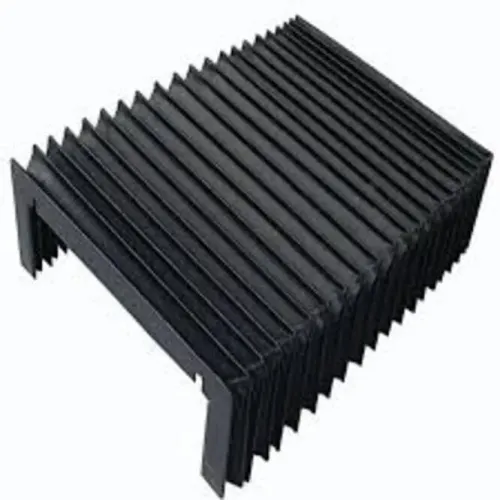
| Telescopic steel cover | Nested rigid steel sections | A machine slide or guideway exposed to chips, coolant and impact |
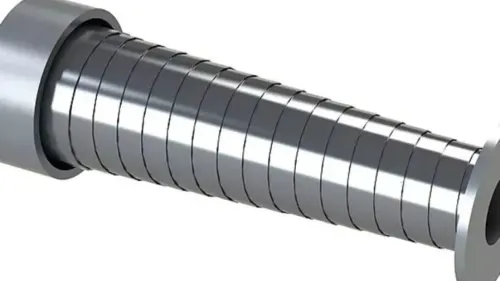
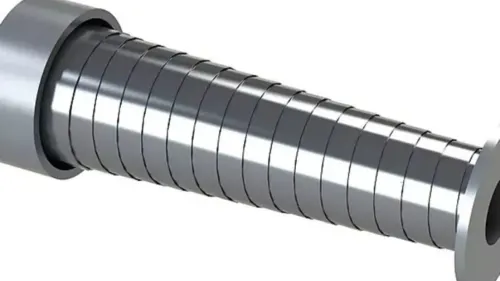
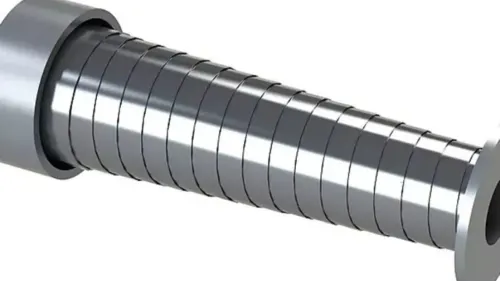
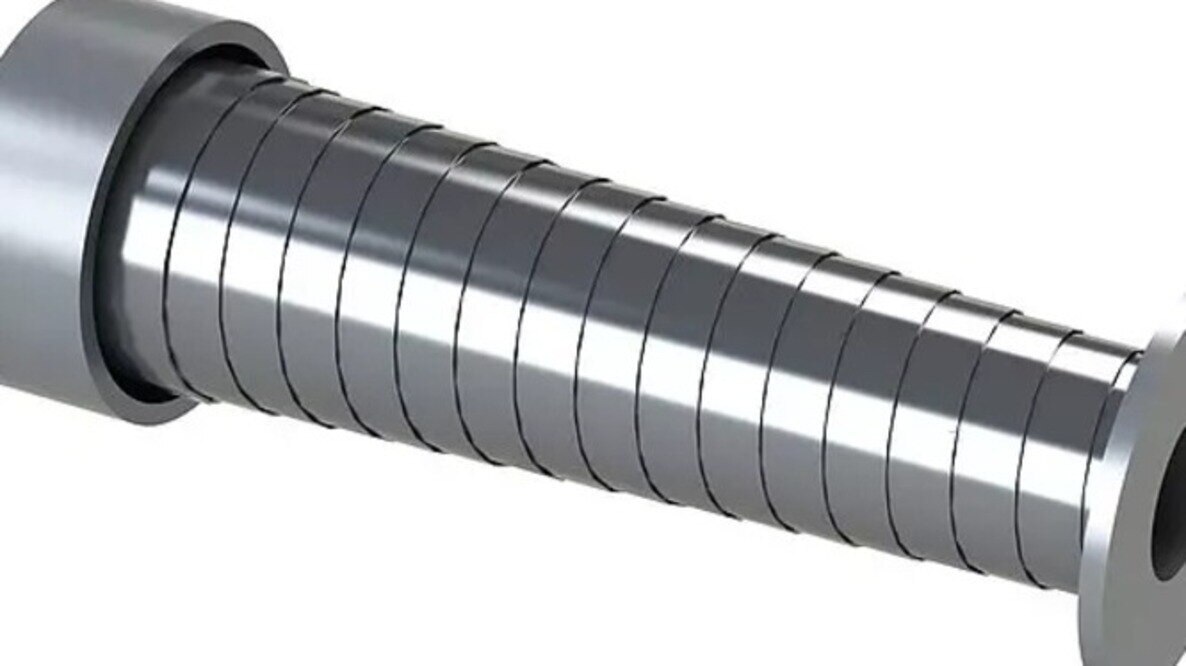
| Telescopic spring cover | Conical nested spring-cover sections | A round or compact spindle, shaft, thread or rod guide |
| Spiral spring cover | A strip wound onto a drum or coil | A shaft, linear rod or moving element where low mass and compact radial retraction matter more than rigid enclosure strength |
A spiral spring cover cannot replace a heavy-duty steel slide cover on a guideway facing hot, sharp or abrasive chips. Its wound strip is a lighter barrier with different resistance to impact and chip ingress.
If you search “telescopic cover and spiral spring London” or “spiral spring cover London”, use the machine geometry and hazard—not the search label—to choose. A telescopic steel cover suits sliding travel where rigid enclosure strength matters; a telescopic spring cover suits compact round-axis protection; a spiral spring cover suits limited space and low moving mass.
Tell the supplier whether the cover drains coolant over its surface, because a design that works horizontally can retain contamination when installed vertically or inverted.
Prepare the measurement pack for an accurate quotation
A reliable quotation needs dimensions that let the supplier model the cover in both positions. Use this pack when you search “buy telescopic cover London”:
1. Record the machine-axis stroke, closed length, extended length, number of stages, stage height and stage width. Add the guideway geometry, shaft diameter, thread or lead-screw dimensions, available clearance and permitted installation envelope. Closed length is not stage count multiplied by section length: overlap, wiper space and end-frame geometry determine the packed dimension.
2. Document the mounting position, mounting-face dimensions, bolt-hole pattern, datum points and adjacent components. Mark access for lubrication, required drain points and any obstruction that affects installation or alignment.
3. For a spiral spring, specify strip width, thickness, material and finish, drum or coil diameter, maximum extension, permitted lateral offset, mounting arrangement and expected cycle count. Spring force and fatigue life depend on winding geometry and travel, so nominal cover length alone cannot produce an accurate price.
Send photographs, a dimensioned sketch and datum references alongside the measurements. Ask for an approval drawing before manufacture, showing closed and extended positions, section overlap, mounting faces and service clearances; check every dimension against the machine before signing.
Specify speed, contamination and the details that make the cover last
A cover can fit the drawing and still fail because acceleration, contamination or alignment was never specified. Give the supplier maximum velocity, acceleration and deceleration, cycle frequency, duty cycle and ambient temperature; speed alone does not predict section impact, vibration or guide loads.
Describe the contamination precisely:
- Name the coolant, cutting oil, cleaning chemicals, abrasive dust, chip size and chip temperature.
- State washdown pressure, corrosion risk, mounting orientation—horizontal, vertical or inverted—and whether coolant must drain across the cover.
- Require wiper material, chemical and temperature compatibility, scraper arrangement, lubrication access and the replacement method in the quotation.
Choose construction against the hazard, not appearance.
| Construction | Strength | Best fit |
|---|---|---|
| Stainless steel | Corrosion resistance and impact tolerance | Wet, corrosive or washdown-heavy service |
| Coated steel | High rigidity with surface protection | General chips, coolant and guideway impact |
| Spring steel | Flexible, compact protection | Round shafts and restricted spaces |
| Bellows fabric | Low mass and adaptable travel | Fine dust, light chips and low-impact movement |
| Roll-up | Compact retraction | Long travel where rigid enclosure is unnecessary |
| Aluminium-strip apron | Light, fast-moving enclosure | Moderate debris and low moving-mass requirements |
Include permissible misalignment, fixing-hole tolerances, datum references and installation instructions. Ask how the cover is aligned, lubricated and removed for service. Forced alignment increases drive loads and can damage wipers, rollers or section guides; an installation drawing is as important as the quotation.
Use the right London buying route and verify what you are buying
Start with a specialist manufacturer when the cover is custom-sized or the machine has unusual travel, orientation or contamination conditions. Search for a telescopic cover supplier in London, but distinguish local support from local manufacture: the item may be made elsewhere while measurement, delivery or service is handled in London.
Use the buying route that matches the job:
- Ask a machine-tool distributor or retrofit company when the cover must fit a machine rebuild, new axis or complete site installation.
- Ask a maintenance supplier for replacement covers, wipers or urgent spares, then confirm whether it designs the item or only resells it.
- Ask an engineered manufacturer whether it designs and fabricates both telescopic covers and spiral spring covers.
- Ask who will measure the machine, install the cover and correct dimensional errors.
One supplier can provide both categories if it has the design and fabrication capability. Otherwise, treat them as separate product categories: a telescopic cover protects a guideway with formed sections, while a spiral spring cover protects a shaft or rod with a retracting strip.
SCUTES INDIA PRIVATE LIMITED can be included in a combined enquiry, but ask whether manufacture, measurement, installation and warranty support are handled locally or through another party. Before accepting a quotation, request delivery terms, installation responsibility, warranty location and spare-wiper availability.
Confirm the proposed supplier will attend a London site measurement if the dimensions are uncertain.
Related products
 | TELESCOPIC SPRING COVER Telescopic Spring Covers provide protection under extreme conditions. View product → |
 | TELESCOPIC COVERS A telescopic cover protects guide-way surfaces and components of moving axis of machines. View product → |
Approve the quotation against drawings, safety and future maintenance
Do not accept a price for either cover until the quotation can be checked against the machine, its hazards and its future service needs. A low price without defined materials or replacement parts can become an expensive retrofit.
1. Request an approval drawing showing closed and extended positions, mounting faces, clearances, section overlap and drain points. Confirm that the drawing matches the approved dimensions, not just the quoted stroke.
2. Request the bill of materials or material grade, surface finish, wiper material, coolant and chemical compatibility, operating speed, acceleration, temperature limits and other operating limits. Wipers are wear components; swelling, hardening or abrasion can make a mechanically correct cover fail.
3. Request maintenance instructions, identifiable replacement parts for wipers and spring strips, and conformity documentation relevant to the completed machine. Confirm that drain points remain accessible and lubrication can be performed without dismantling unsafe parts.
4. Compare the cover with the machine hazard assessment. It must withstand foreseeable impact, prevent access to dangerous moving parts, and avoid trapping points, sharp edges and ejected debris. PUWER 1998 leaves the user responsible for suitable, maintained and guarded work equipment; ISO 14120 sets general requirements for fixed and movable guards.
5. For an overseas supplier, confirm who will measure at the London site, who installs the cover, where warranty work is handled and who pays for corrective work if approved dimensions do not fit the machine.
Frequently asked questions
What installation details should you give a London telescopic cover supplier?
State whether the cover mounts horizontally, vertically or inverted, then provide travel, closed length, open length, height, width, section count and mounting constraints.
What operating conditions affect a telescopic cover and spiral spring?
Give the supplier the axis speed and acceleration, coolant type, chip size, dust, heat, cleaning method and duty cycle so the design matches the contamination and motion.
How can you compare telescopic cover suppliers in London?
Compare drawings, material and finish, guide and support details, delivery scope, inspection documents, safety clearances, maintenance access and replacement-part availability.
What should you verify before approving the quotation?
Check the quotation against the approved drawing, travel limits, section dimensions, mounting points, drainage, interference risks, guarding requirements and future maintenance needs.
Related products
 | Roll Up Cover A roll-up cover is a highly durable and flexible protective solution designed to safeguard machinery, equipment, and valuable assets from dust,... View product → |
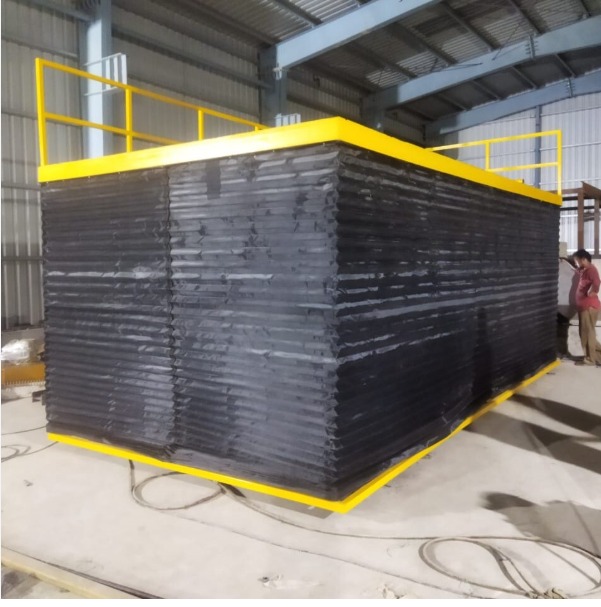 | SCISSOR LIFT BELLOWS Scissor Lift Bellows are one of the broadly demanded stabilizer for which we are considered an acclaimed designed in the market. View product → |
 | Machine Covers Machine covers are specially designed shields used to protect industrial equipment and machinery from environmental elements. View product → |