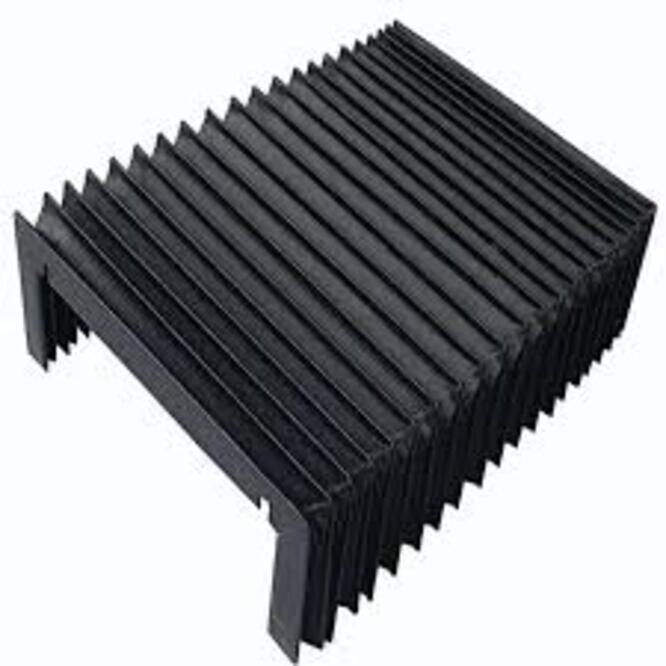
A spiral spring cover can protect a rotating or reciprocating shaft in a much smaller retraction envelope than a folded bellows, but it is not automatically the right way cover for every machine tool. By comparing cover designs, measuring the complete installation space, and matching materials to chips, coolant and cleaning methods, you can specify protection that remains serviceable in a London workshop.
Key takeaways
- Use spiral springs where compact retraction matters more than broad bellows coverage.
- Match the cover to travel direction, shaft geometry, chips, coolant and heat.
- Measure full travel, retracted length and the complete interference envelope.
- Clean the cover and replace damaged wipers before debris reaches the moving part.
How spiral spring protection works and where it earns its space
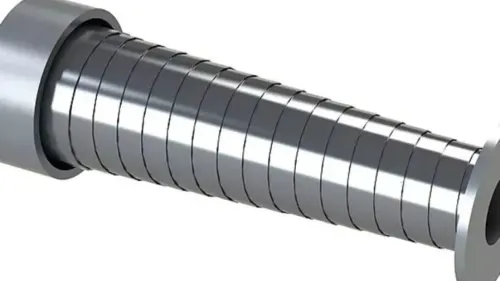
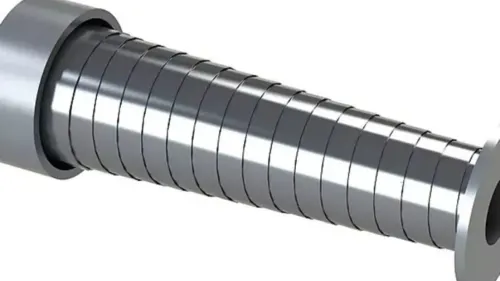
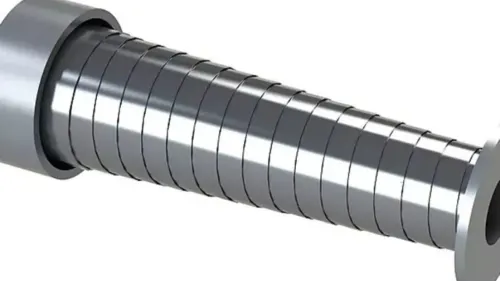
A way cover spiral spring uses overlapping turns of coiled spring steel, or a spring-driven roller, to enclose a shaft, spindle or lead screw as it rotates or travels. The strip retracts into a compact coil, making spiral spring machine protection useful when a folded bellows will not fit.
Its way cover benefits include low retraction space, light moving mass and suitability for round components.
| Option | Space and motion | Protection and limits | Best fit |
|---|---|---|---|
| Spiral spring | Small collapsed envelope; supports rotating or reciprocating motion | Resists dust and light-to-moderate chips, but overlaps, brushes or wipers are not pressure-tight | Shafts, screws and compact machine axes |
| Telescopic steel | Needs more length, width and clearance; higher mass and friction | Strong against hot, sharp and heavy chips; better rigidity, weaker acceleration response | Flat guideways in aggressive cutting |
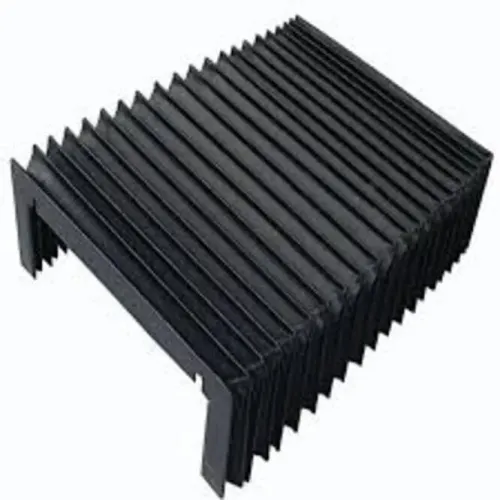
| Bellows | Requires folding space; flexible over a defined stroke | Good enclosure and coolant exclusion with correct seals; fabric can suffer abrasion and heat | Guideways needing continuous flexible sealing |
| Roll-up or apron | Compact storage; motion depends on alignment and tension | Practical chip barrier, but less rigid and less sealing-effective | Long flat travels with moderate debris |
Do not treat a spiral spring cover as a pressure-tight seal, walking surface or personnel guard. For high-pressure coolant, choose sealed bellows or a telescopic design; assess machine guarding separately under UK workplace-safety duties. Long vertical or overhead installations also demand checks on spring torque, alignment, support and drainage.
Match the cover to the moving part and the machining hazard
Choose spiral spring machine protection for a round shaft, spindle or lead screw when the cover must retract into a small diameter and the hazard is mainly dust, swarf and light-to-moderate coolant splash. Its overlapping spring-steel turns follow rotation or reciprocation without requiring the long folded package of a bellows.
| Option | Best match | Choose it when | Avoid it when |
|---|---|---|---|
| Spiral spring cover | Round rotating or reciprocating component | Collapsed space is tight and chip loading is controlled | High-pressure coolant, sharp hot chips, long vertical travel or poor alignment dominate |
| Telescopic steel way cover | Flat guideway or rectangular slide | You need rigid chip deflection across a broad moving surface | The component is a rotating shaft with little radial mounting space |
| Bellows or sealed roll-up cover | Guideway, screw or irregular moving assembly | Continuous exclusion of coolant and fine contamination matters | Abrasive, heavy chips can strike or crush the flexible material |
| Apron cover | Long flat bed or exposed guideway | Large travel and robust chip shedding matter | You need a compact round enclosure around a shaft |
The way cover benefits depend on matching the barrier to the attack. A way cover for machine tools protects a guideway; it does not automatically protect an operator from a reachable nip point, rotating tool or moving carriage. Assess fixed and interlocked guarding separately under the UK machinery-safety requirements.
Choose another design when hot chips can dent overlapping strips, coolant must be kept out under pressure, or gravity can overpower spring torque during vertical or overhead travel. Check chip size, temperature, coolant delivery, stroke and orientation before treating a spiral spring as suitable.
Measure the complete travel and interference envelope before ordering
A nominal stroke does not prove that a way cover will fit. Measure the full axis travel, then map the space occupied at both extremes and throughout the movement. Include cover width, guideway geometry, mounting points, maximum extended length, collapsed package diameter or folded height, bending radius and available clearance.
- Record axis speed and acceleration, mounting orientation, chip size and temperature, coolant type, and the expected service life of wipers or brushes.
- Check the retracted package against the spindle head, tooling, coolant lines, cable carrier, doors and adjacent covers. A package that clears at one endpoint can strike a door halfway through travel.
- Specify inspection access, cleaning space and replacement criteria. PUWER requires work equipment and safeguards to remain suitable, maintained and safe to use; dimensions alone do not satisfy that duty.
| Measurement | Why it matters | Failure if missed |
|---|---|---|
| Stroke and extended length | Sets the cover’s working range | The cover reaches its limit before the axis does |
| Package diameter or folded height | Defines retraction clearance | The spindle, door or cable carrier collides |
| Guideway width and mounting faces | Determines attachment and sealing | Gaps admit chips or the cover binds |
| Speed, acceleration and orientation | Sets spring, guide and wiper loads | Premature wear, flutter or spring damage |
| Coolant pressure and chip conditions | Tests whether the design suits the hazard | A roll-up cover leaks under pressure |
A way cover for machine tools is not automatically suitable for a round shaft. Confirm the way cover spiral spring’s travel and retraction geometry before ordering. The phrase way cover benefits with spiral spring protection london describes a search location, not a different engineering requirement.
Specify materials, wipers and service conditions for a London installation
Coolant chemistry decides more than corrosion resistance. Give the manufacturer the coolant brand, dilution, pH, operating temperature and cleaning chemicals, then specify spring-steel grade or coating and a compatible wiper compound such as polyurethane, NBR or FKM. A wiper that swells in alkaline coolant will lose contact and drag chips into the guideway.
Describe the chip load precisely: material, size, temperature, volume and whether high-pressure flushing strikes the cover. Hot, sharp chips can dent thin strips, lodge between overlaps and cut wiper lips. If continuous high-pressure coolant exclusion is required, choose a sealed telescopic cover or bellows instead; spiral spring machine protection is not pressure-tight.
Mounting orientation changes drainage and debris retention. State whether the cover is horizontal, vertical or inverted, plus axis speed, acceleration, stroke, extended length and folded package space. Provide access to remove the cover, clean trapped chips and inspect wipers without dismantling unrelated guarding.
SCUTES INDIA PRIVATE LIMITED can use those application details to distinguish a spring cover from a telescopic way cover.
For a London site, the phrase way cover benefits with spiral spring protection London should mean site-specific selection, not a special performance category. Put these items in the purchase specification:
- Inspection interval, cleaning method and permitted cleaning chemicals
- Wiper wear limit, corrosion limit and replacement trigger
- Safe isolation and access arrangements for maintenance
- Confirmation that the cover is not being used as a step or personnel guard
- PUWER checks confirming suitable equipment, maintained safeguards and safe use
Where an operator could reach moving machinery, assess guarding separately under the UK machinery-safety requirements.
Related products
 | TELESCOPIC SPRING COVER Telescopic Spring Covers provide protection under extreme conditions. View product → |
 | TELESCOPIC COVERS A telescopic cover protects guide-way surfaces and components of moving axis of machines. View product → |
Inspect, clean and replace the cover before protection is lost
A safe cover has free movement, intact wiping edges and no path for chips or coolant to reach the protected component. For a way cover for machine tools, inspect before each shift and clean after heavy chip loading, then record defects against the machine’s PUWER maintenance schedule.
1. Isolate the machine and release stored movement before inspection. Check the spiral spring’s overlapping turns, roller, fasteners and mounting brackets for cracks, distortion, corrosion, loose hardware or loss of spring tension.
2. Remove chips with a vacuum, soft brush or manufacturer-approved cloth. Do not drive debris into bearings or seals with compressed air. Wipe away coolant and inspect for abrasive paste, blocked drainage points and residue that makes the cover stick.
3. Run the axis slowly through its full travel after cleaning. Stop if the cover snatches, rubs, buckles, fails to retract, tracks sideways or leaves any section uncovered.
4. Examine wipers, brushes and side seals for hardening, tears, gaps or permanent flattening. Replace them when they no longer contact evenly; cleaning cannot restore a worn sealing edge.
5. Replace the complete cover if its spring strip is cracked, its housing is distorted, mounting holes have elongated or coolant reaches the guideway despite correct cleaning. Record the inspection and the replacement date.
These way cover benefits disappear when a damaged cover remains in service. Treat it as a maintained safeguard, not a disposable screen, and preserve clear access for inspection.
Frequently asked questions
How does spiral spring protection work on a machine tool?
Overlapping turns of coiled spring steel, or a spring-driven roller, enclose a rotating or travelling shaft, spindle or lead screw. The strip retracts into a compact coil.
What should you match when selecting a spiral spring way cover?
Match the cover to the moving part and its travel, then account for the machining hazard, including chips, coolant, oil, heat and available installation space.
What measurements do you need before ordering a way cover spiral spring?
Measure complete travel, extended and retracted lengths, shaft or screw dimensions, mounting points and the full interference envelope around the moving assembly.
How do you maintain spiral spring machine protection?
Inspect the spring, strip, housing, mounts and wipers; remove chips and residue with a suitable cleaning method; replace worn or damaged parts before protection fails.