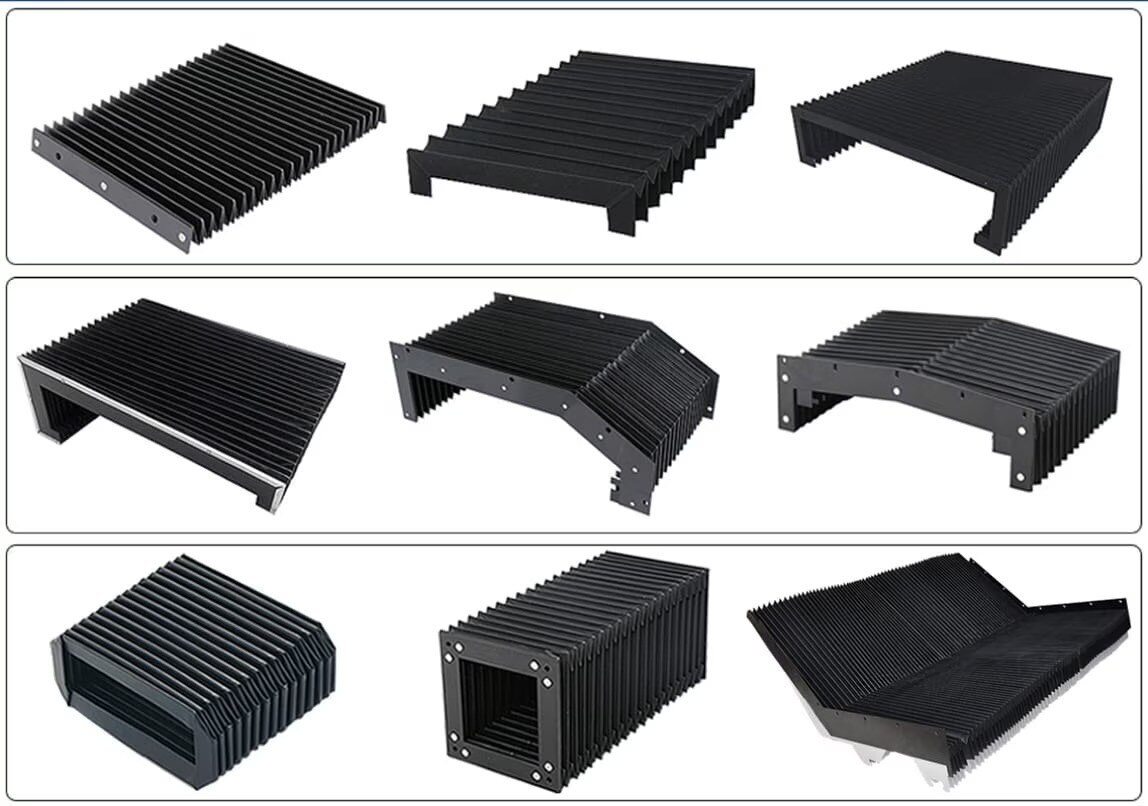
Stop the machine before contamination is moved deeper into the cover or onto the guideway. By following a controlled isolation, cleaning and inspection sequence, you can distinguish a recoverable contamination event from damage that requires industrial machine cover repair or replacement.
Key takeaways
- Isolate electrical, hydraulic, pneumatic and gravitational energy before touching the cover.
- Remove chips, oil and coolant from outside inward without forcing debris into joints.
- Replace the cover when folds, seals, guides or attachment points cannot hold alignment.
- Verify smooth travel, full closure and secure fastening before returning the machine to service.
Make the machine safe before touching the cover
Stop the machine immediately and keep people clear of the enclosure. Do not reach through the guards or move the way cover by hand while electrical, hydraulic, pneumatic or gravitational energy remains available.
1. Press the stop control, isolate every energy source, apply a lock and warning tag, and prevent unexpected start-up. Under PUWER, a local isolator alone does not prove that stored pressure, suspended parts or electrical energy has been controlled.
2. Verify zero energy at the machine using the site’s isolation procedure. Release hydraulic and pneumatic pressure, secure raised components, and confirm that drives cannot start before opening the enclosure.
3. Identify the contaminant without disturbing it: loose chips, abrasive fines, coolant or cutting oil, hardened deposits, and corrosion require different handling. Photograph the cover, affected sections, wipers, drains and exposed guideways before touching anything.
4. Keep debris from being pushed farther into the cover. Do not cycle the machine, force folded leaves apart, scrape seals with hard tools or blow compressed air into joints.
Record the machine, cover type, contaminant and visible damage. Way cover maintenance also requires stopping the source: check missing wipers, coolant aimed at the cover, chip-conveyor failures, enclosure leaks and damaged seals. Repeated contamination after cleaning indicates that the barrier or its operating conditions remain defective.
Remove contamination without driving it into the mechanism
Do not force a cover that binds after contamination. Trapped chips, a bent telescopic leaf, displaced guide, damaged roller or incorrect overlap can turn a recoverable fault into cracked welds, distorted panels or drive damage. Photograph deposits and damage before cleaning so you can distinguish contamination from a failed component.
Use a cleaning method matched to the contaminant and component:
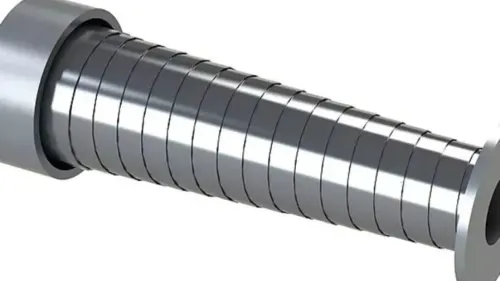
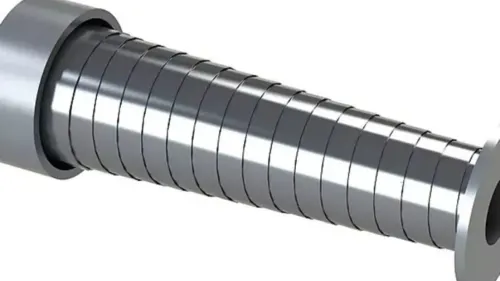
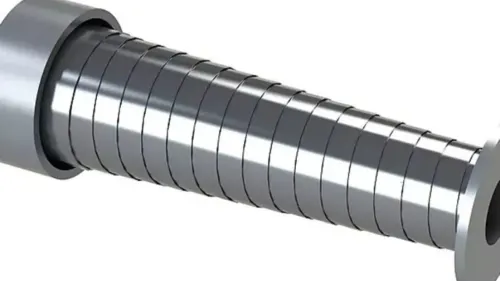
- Remove loose chips from telescopic steel covers and apron covers with a vacuum and soft brush; lift debris away from overlaps instead of pushing it beneath wipers.
- Wipe coolant and cutting oil from coated steel with lint-free cloths and an approved, compatible cleaner. Do not pressure-wash seals or flood joints.
- Remove abrasive fines by vacuuming, then wipe them away gently. Compressed air can drive grit into slides, rollers, seals and machine ways.
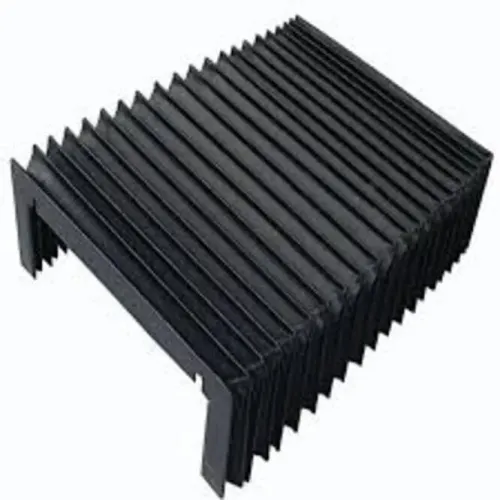
- Clean bellows folds without stretching, crushing or scraping the fabric. Check that no hardened deposit remains at an attachment or fold.
- Wipe wiper lips and holders carefully; never lever a chip under the lip or scrape coated steel with a hard tool.
- Treat corrosion as a possible section-loss problem, not a stain. Remove loose oxide gently, then inspect the steel before polishing or coating it.
Confirm that the cleaner suits the wiper elastomer, bellows fabric, coating, seals and lubricant. Dry folds, trapped interfaces and drain channels completely, then apply only the specified lubricant; some cover surfaces must remain dry. Good way cover care London practice also investigates coolant aiming, enclosure leaks, blocked chip conveyance and ineffective wipers when contamination returns.
Inspect the cover for damage after cleaning
Surface cleaning is not enough when the cover binds, leaves uneven gaps, or carries contamination through a complete low-speed cycle. Inspect for bent telescopic panels, cracked welds, distorted overlaps, seized slides, split bellows, torn wipers, blocked drains, and exposed or scored guideways. Do not force movement; resistance can turn an alignment fault into drive damage.
- Run several low-speed cycles; watch for hesitation, scraping, panel lifting, abnormal noise, uneven extension, or coolant and chips passing the wipers.
- Check wipers for continuous contact. A curled edge or flattened section admits debris despite a clean appearance.
- Recheck the cover and machine way after the first production cycle; movement can release hidden swarf and expose missed faults.
- Record the contaminant, machine and cover type, affected sections, cleaning chemistry, lubricant, replaced parts, photographs before and after, and cycle-test result. This distinguishes documented industrial machine cover repair from an undocumented wipe-down and helps identify an active contamination source.
| Fault | Why cleaning cannot fix it | Required response |
|---|---|---|
| Bent leaf or distorted overlap | Changes clearance and causes binding | Check alignment; repair or replace |
| Torn bellows or wiper | Leaves a path for coolant, chips and dust | Replace the damaged sealing part |
| Scored guideway or seized slide | Creates friction and movement error | Inspect the guide and repair before cycling |
| Broken fastener or blocked drain | Allows movement or retains contamination | Restore retention and drainage |
Decide whether to repair or replace the cover
A clean appearance does not justify continued use. Keep the cover in service only when every leaf, fold, wiper and guide moves freely, seals its overlap, and leaves no raised edge or exposed way; otherwise choose repair or replacement based on the fault’s effect on alignment and exclusion.
| Fault | Continue using | Repair | Replace |
|---|---|---|---|
| Bent telescopic leaves | No binding, cracking, lifted edges or widening gaps | Straighten and realign a leaf when its overlap and stiffness can be restored | Kinked, cracked or permanently distorted leaves that cannot hold alignment |
| Split bellows | Only when the fabric and folds remain intact | Fit an approved patch or replace a damaged section when the attachment and surrounding fabric are sound | Multiple splits, delamination, brittle fabric or failed end attachments |
| Worn wipers | Lip remains continuous, flexible and firmly clamped | Replace the strip, holder, spring or clamp when the support is undamaged | Hardened, torn or repeatedly lifting wipers, or damaged mounting surfaces |
| Scored guideways | Light marks with no burr, seizure or clearance change | Deburr and restore the guideway to the machine maker’s specification | Deep scoring, distortion or wear that causes binding; replacing the cover alone will not fix it |
Do not force movement to test a doubtful cover. A machine cover restoration London assessment should record the fault, affected part and proposed remedy, then confirm several low-speed cycles without scraping, hesitation, uneven gaps or carry-through. Recheck the machine way after the first production cycle; hidden debris often appears then.
If a repair cannot restore geometry and exclusion, replacement is the safer decision.
Measure the cover and verify the restoration
Measure from fixed machine datums, not from a distorted or contaminated cover. Record closed and extended length, cover width and height, travel, panel overlap, mounting-hole centres, flange position, guide or roller clearance, wiper contact and drain locations. Photograph each measurement so a replacement does not fit the cover but foul the machine.
Give the fabricator a restoration record containing:
- Contaminant type, affected sections, machine model and cover type
- Cleaning chemistry, lubrication used, parts replaced and photographs before and after
- Wiper-lip condition, holders, springs, clamps, rollers, guides, fasteners, overlaps, bellows attachments and adjacent way condition
- The machine datum used, measured dimensions, required travel and any binding point
Run the cover through several complete cycles at low speed before production. Stop if you see hesitation, scraping, uneven gaps, panel lifting or abnormal noise; never force a binding cover, because a displaced guide, trapped debris or incorrect overlap can damage welds and drive components.
Check the machine way, wipers and drain path after the first production cycle, then inspect for chip or coolant carry-through.
A cover that passes empty cycles can still fail under coolant flow. Check coolant aiming, enclosure leaks, chip conveyance and seal gaps, then correct the source.
This applies whether you search for “restore way cover for after contamination london”, way cover care London or machine cover restoration London; SCUTES INDIA PRIVATE LIMITED can use these measurements and test records to distinguish a fitment fault from a recurring contamination source.
Related products
 | TELESCOPIC COVERS A telescopic cover protects guide-way surfaces and components of moving axis of machines. View product → |
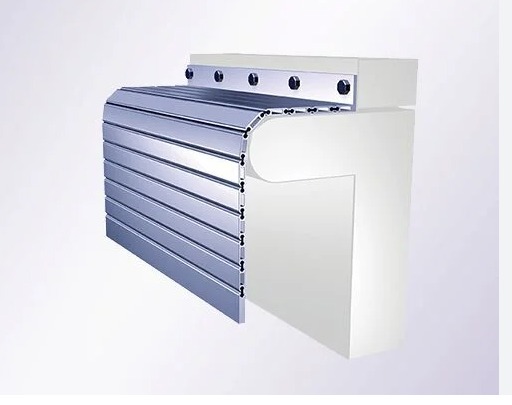 | APRON COVER Effectively engaged in offering a vast collection of outstanding quality products which include Apron Covers. View product → |
Frequently asked questions
How do you make a machine safe before cleaning a way cover?
Stop the machine, clear the area and isolate electrical, hydraulic, pneumatic and gravitational energy before touching the cover.
How should you remove contamination from a way cover?
Remove loose chips first, then wipe oil and coolant away without pushing debris into folds, joints or the mechanism.
When should you repair or replace a contaminated way cover?
Repair it when damage is limited and alignment, seals and attachment points remain sound; replace it when folds, guides or mounts cannot maintain protection.
How do you verify a restored way cover?
Check secure fastening, smooth travel, full opening and closure, correct alignment and protection of the machine way throughout its movement.
Related product
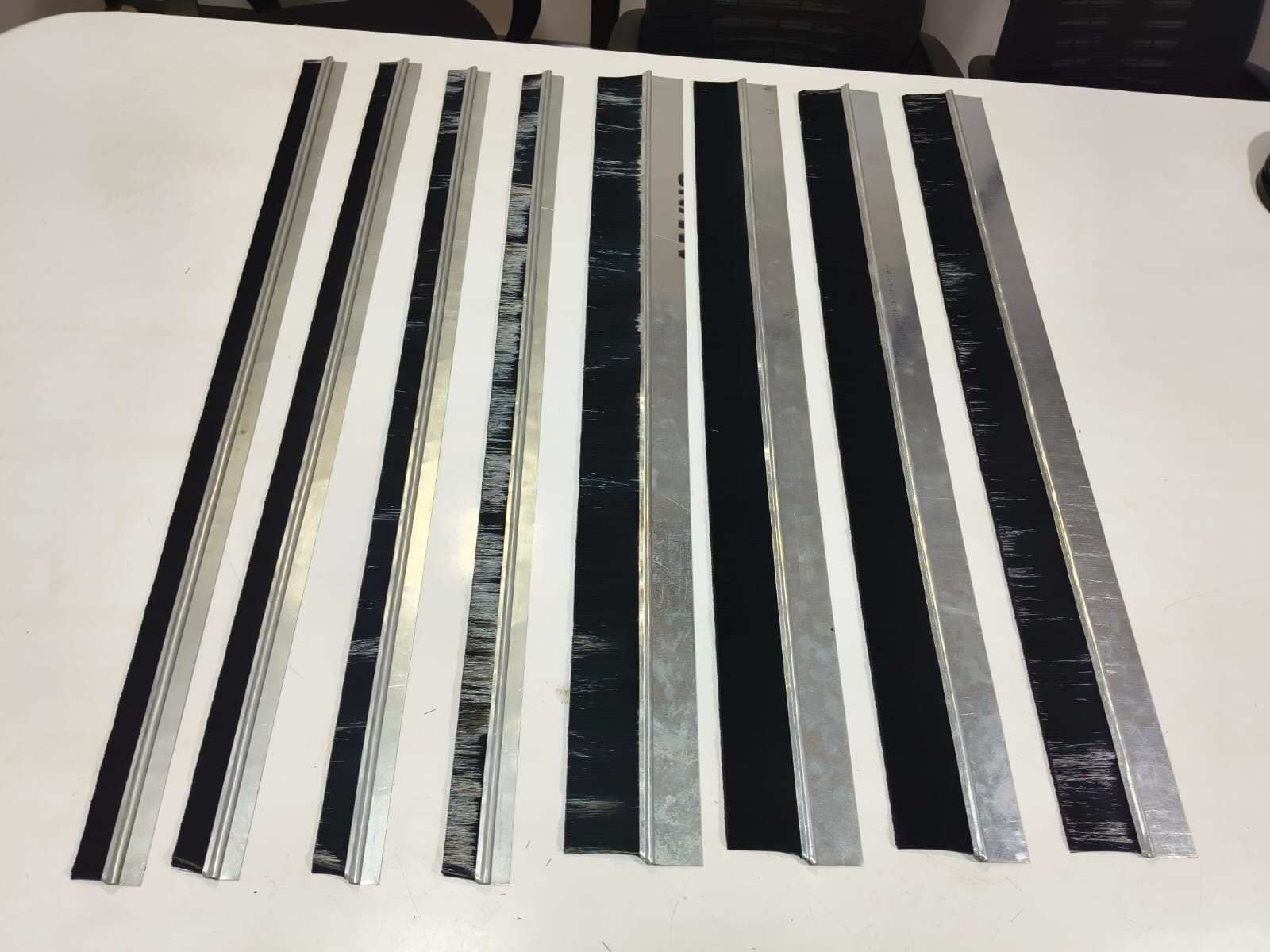 | NYLON AND METAL BRUSH WIPER Our Nylon and Metal Brush Wipers are high-performance industrial cleaning components designed for efficient wiping, cleaning, and surface finishing... View product → |