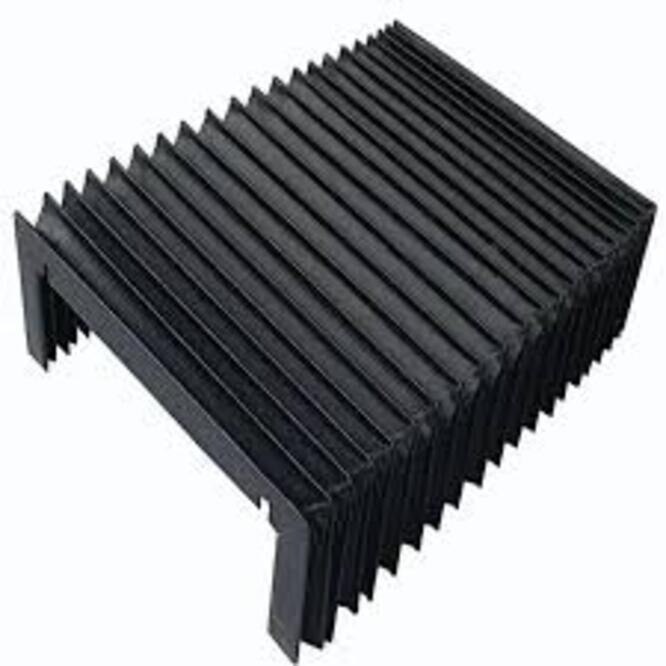
Stop the machine before you touch the contaminated cover: laser residue can include soot, metallic fines, molten particles, oil or coolant, and each presents a different recovery risk. By the end, you will have a sequence for isolating, cleaning, inspecting and testing the bellows, plus clear criteria for deciding whether to restore, repair, replace or quarantine it.
Key takeaways
- Stop motion, isolate every energy source and secure drifting or falling axes.
- Match solvents and cleaning tools to the residue and bellow materials.
- Quarantine covers with burned fabric, damaged folds, exposed reinforcement or contamination inside seams.
- Test the complete axis stroke before returning the laser machine to production.
Identify the contamination and make the machine safe
Stop the laser and all axis movement before touching the cover. Apply the site’s lockout/tagout procedure to electrical and laser energy, then isolate pneumatic and hydraulic supplies and secure any axis that could fall or drift. Record the axis position and prevent debris entering guideways, rails, seals or optical areas.
- Identify the residue before choosing a cleaning method. Separate loose dust from laser-cutting soot, metallic fines, carbonised polymer, resin, oil, coolant and embedded hot particles.
- Photograph the bellows, machine position and contamination pattern. Note whether the cover was in the direct beam path or exposed to radiant heat and sparks.
- Shield nearby rails, optics and seals with clean covers. Do not use compressed air, water, solvent or aggressive brushing while the bellows remains installed; these actions spread particles or drive residue into folds and bearings.
- Confirm that the fabric bellows is cool and electrically safe. If hot particles remain, quarantine the machine until they are removed under the site’s fire and waste procedure.
- Before arranging a fabric bellow laser machine for contamination recovery london service, confirm the scope: on-site inspection, removal, chemical cleaning, stitching or patch repair, panel replacement, dimensional checks, installation and full-stroke testing.
A visually clean cover is not automatically safe. Treat melted or glazed coating, brittle fabric, exposed reinforcement, delamination, pulled stitching, broken stays, damaged attachments, permanent fold deformation or embedded contamination as inspection findings requiring a repair-or-replacement decision.
A fabric bellows is not a laser enclosure or beam barrier unless specifically designed and validated for that duty.
Remove the bellows without spreading debris or damaging its folds
Keep the bellows supported before loosening any frame fasteners. Record its orientation and compressed length, then secure the axis against movement so the cover cannot collapse, drag or pinch during removal.
- Photograph each end frame, clamp and fold direction. Mark the drive end, fixed end and upper face with removable tape.
- Shield exposed guideways, rails and seals with clean, lint-free covers. Place temporary barriers over optical windows, lenses and beam-path openings; do not let tape or cloth touch optical surfaces.
- Support the bellows along its full length with a clean board or wide cradle. Release fasteners evenly, keeping the folds compressed by hand rather than pulling one end.
- Lift it clear without sliding the cover across rails or seals. Put it on a clean, non-abrasive sheet and cap or bag contaminated openings immediately.
Dry-clean one fold at a time in a controlled direction, working from the clean end towards the contaminated end. Use a HEPA vacuum held beside, not against, the fabric; loosen residue with a soft, clean brush and collect it immediately with a lint-free wipe.
Do not use compressed air, water, solvent or aggressive brushing at this stage. Air drives soot and metal fines into seals and optical areas, while moisture or solvent can spread residue and attack coatings. For a fabric bellow laser machine london recovery job, specify whether removal, dry cleaning, protected storage and return installation are included.
Match the cleaning method to the residue and bellows materials
Use the least aggressive method that removes the identified residue, and check it against every layer: fabric, coating, thread, adhesive, reinforcement and end frames. A solvent that dissolves soot can also extract plasticiser, swell an elastomer, soften PVC or polyurethane, or weaken adhesive.
- Loose laser soot: vacuum with filtration suitable for the residue, then use a soft, dry brush or lint-free wipe along each fold. Do not blow it into fold valleys, bearings or optics with compressed air.
- Metal particles: vacuum them without dragging a cloth across the coating; use a non-metallic brush for embedded fines. Do not scrape with a blade, wire brush or abrasive pad, which can expose reinforcement.
- Oil: remove the bulk with dry, lint-free wipes, then use a manufacturer-approved cleaner selected for the coating and adhesive. Test it on a concealed area and stop if the surface becomes tacky, dull or swollen.
- Coolant: use a compatible water-based cleaner only when the bellows supplier approves it; keep liquid out of seams and adhesive joints, then dry every fold completely. Do not soak the cover.
For resinous deposits or fused hot particles, cleaning may be the wrong remedy: forcing them off can tear fabric or leave a pinhole. Record the proposed chemical, dilution, contact time and temperature, and obtain material compatibility confirmation; a small-area test cannot prove long-term damage.
Collect wipes, filters and vacuum contents as contaminated waste under the site COSHH assessment, not general refuse.
Inspect the cover and decide whether to clean, repair, replace or quarantine it
A pinhole, melted or glazed coating, brittle fabric, exposed reinforcement, delamination, pulled stitching, broken stays or damaged end attachments can make restoration unsafe.
Permanent fold deformation, embedded hot particles and contamination that remains after cleaning can cause rubbing, snagging or renewed damage; replace the cover when these defects are widespread or repairs would alter its geometry.
| Decision | Evidence | Action |
|---|---|---|
| Clean | Sound coating, fabric, stitching, stays and attachments; contamination remains loose | Clean fold by fold, then inspect again |
| Repair | Local tear or failed stitch with sound surrounding material | Specify compatible thread, patch material and adhesive; confirm the repair does not reduce clearance |
| Replace | Brittle or melted panels, extensive delamination, multiple broken stays or distorted folds | Match the original stroke, compressed length, mounting and guarding function |
| Quarantine | Unknown residue, suspected hazardous contamination, hidden damage or failed dimensional inspection | Keep isolated until the material and risk assessment are confirmed |
For laser machine bellow recovery london, require a written scope stating whether the price includes:
- On-site inspection, safe removal, return transport and reinstallation
- Chemical cleaning, stitching, patch repair and replacement of damaged panels
- Dimensional checks against compressed and extended lengths, fold depth and mounting points
- Full-stroke testing after installation, including clearance and guarding assessment
Send photographs of every fold, the machine and end attachments; the bellows drawing, dimensions, material or coating, axis travel, contamination type, chemical exposure, machine model and required completion date. Ask a supplier such as SCUTES INDIA PRIVATE LIMITED to identify exclusions before collection, not after repair begins.
Related products
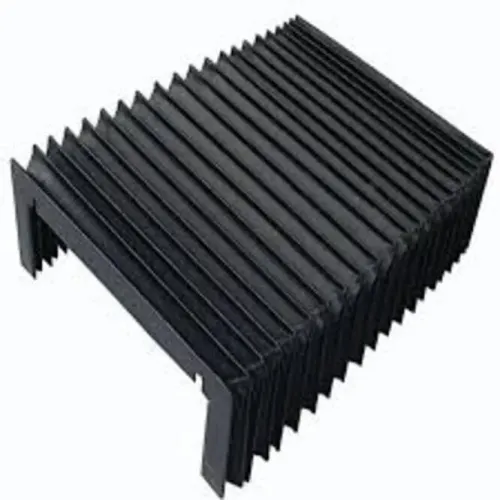
 | Laser Machine Bellows Laser Machine Bellows are specialized protective coverings designed to safeguard the vital internal components of laser machines. View product → |
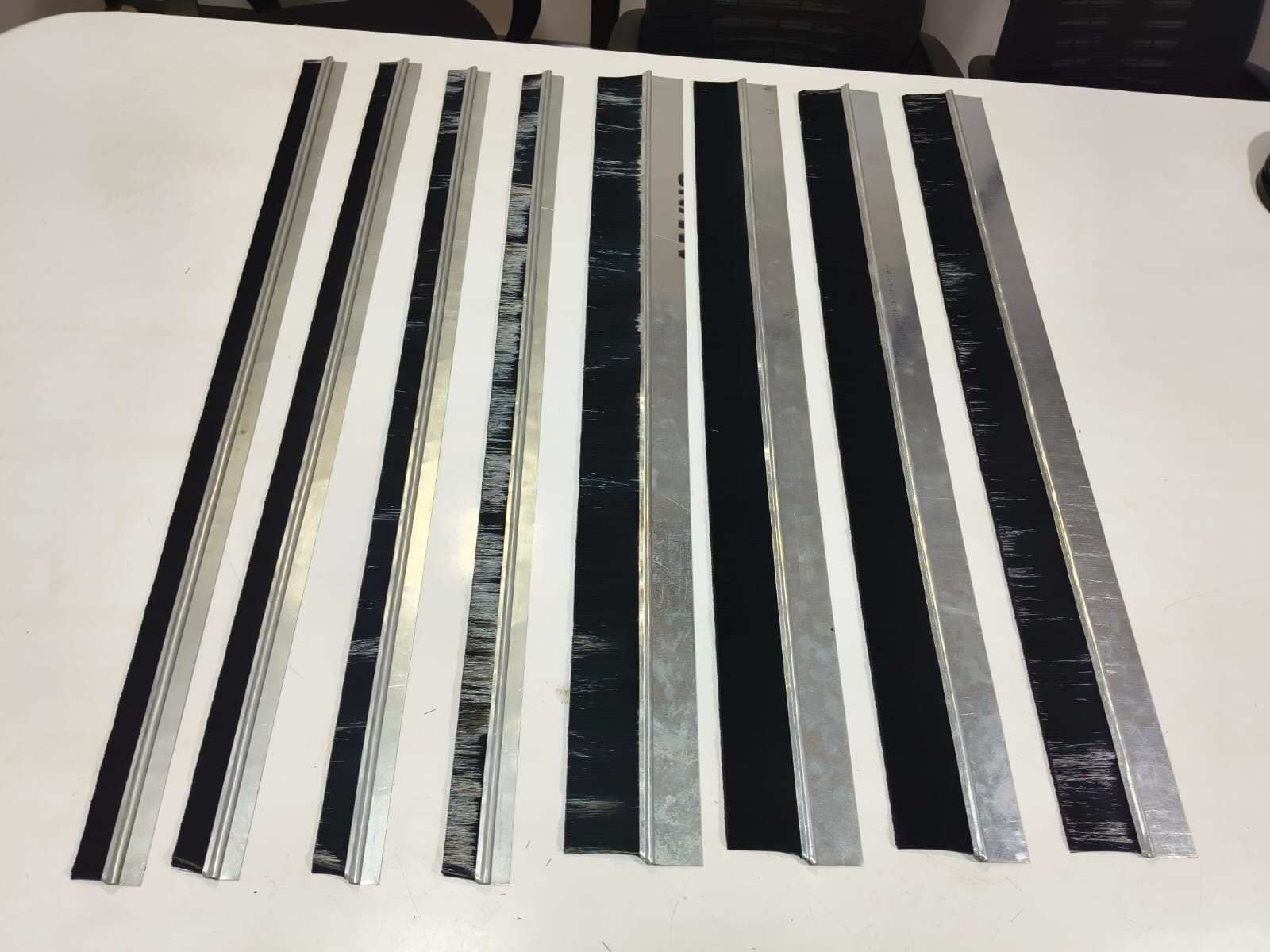 | NYLON AND METAL BRUSH WIPER Our Nylon and Metal Brush Wipers are high-performance industrial cleaning components designed for efficient wiping, cleaning, and surface finishing... View product → |
Reinstall, test the full stroke and control contaminated waste
Do not return the machine to service until the restored cover has completed its entire axis travel without contact.
The search phrase laser machine bellows contamination london identifies a job, not an agreed repair scope; confirm whether the quotation includes inspection, removal and return, chemical cleaning, stitching or patching, replacement panels, dimensional checks, installation and full-stroke testing.
- Confirm the bellows orientation, mounting points, folded length and extended length against the machine drawing or recorded dimensions. Check every stay, seam, adhesive joint, patch, end frame and fastener for looseness, distortion, trapped moisture or excess material that could reduce clearance.
- Refit the cover with the machine isolated, then move the axis manually or at the lowest permitted speed under controlled conditions. Observe each fold through the complete stroke and check for rubbing, snagging, uneven extension, compressed folds, interference with seals, rails, cable carriers or optical areas.
- Repeat the stroke in both directions at operating speed, watching for vibration, noise and abnormal motor load. Stop immediately if debris appears or the cover touches a fixed part.
- Before enabling production, remove tools, wipes and loose particles; inspect guideways, seals, enclosure panels and optics; verify guards, interlocks, alarms and lubrication; then record the test result, dimensions, defects and authorisation.
Bag soot, metal fines, oily wipes, coolant residues and solvent containers separately in sealed, labelled containers. Use the site’s hazardous-waste route and retain the waste description and disposal record; never blow contaminated dust into the workshop or pour liquid residue into a drain.
Frequently asked questions
How do you make a laser machine safe before cleaning contaminated bellows?
Stop the laser and all axis movement, apply lockout/tagout, isolate electrical, laser, pneumatic and hydraulic energy, and secure any axis that could fall or drift.
How should you remove a contaminated fabric bellow?
Record the axis position, protect guideways and optical areas, then remove the cover without dragging debris across rails, seals or folded sections.
How do you choose a cleaning method for laser machine bellows?
Identify the residue first, then check the bellow fabric, coating, adhesive and reinforcement before selecting dry removal, detergent or a compatible solvent.
When should you replace or quarantine a contaminated bellow?
Quarantine it when contamination has entered seams or folds, or when inspection finds burned fabric, torn sections, failed stitching, exposed reinforcement or loss of protective movement.
What must you check after reinstalling a cleaned bellow?
Confirm secure attachment, move the axis through its full stroke at controlled speed, check for rubbing or snagging, and control contaminated cleaning waste.