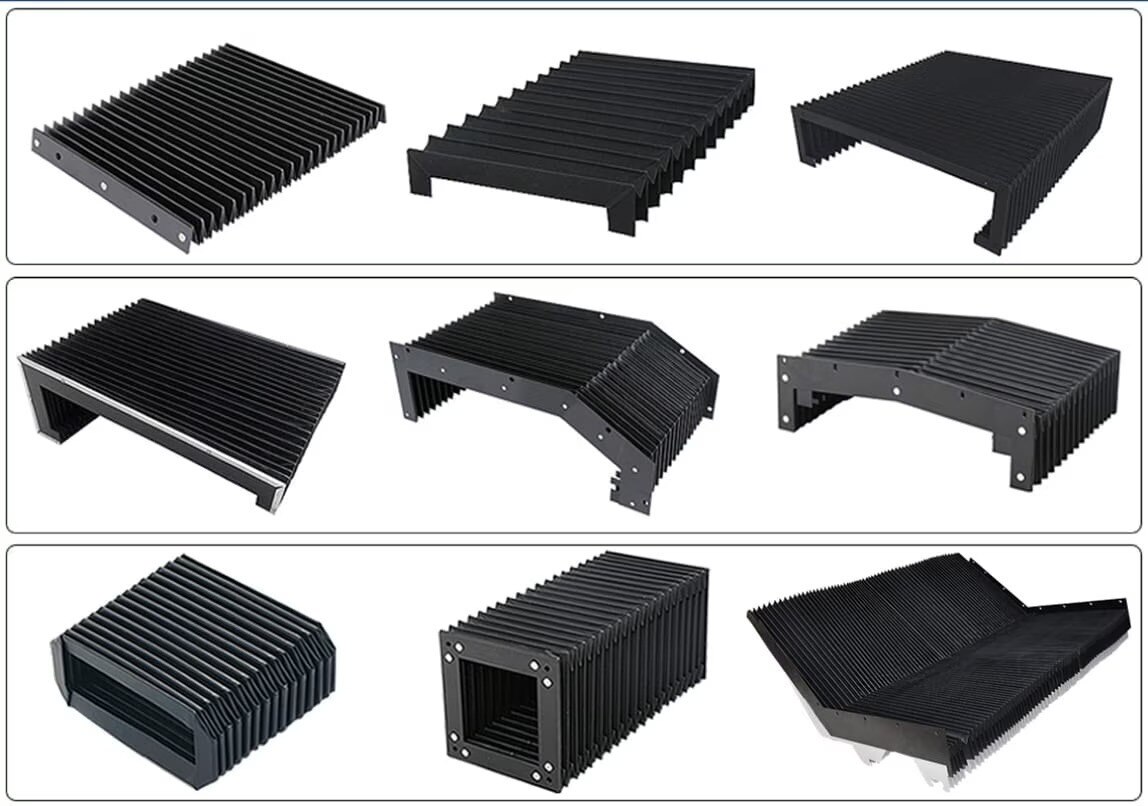
Coolant, oil, metal swarf and fine abrasive dust can hide inside compressed folds and damage a bellow when you wipe it dry. You will be able to isolate the machine, clean the material without spreading contamination, inspect every fold and attachment, and decide when a damaged cover needs assessment or replacement.
Key takeaways
- Lock out every energy source before touching a powered axis.
- Identify coolant, oil, chips, dust or heat damage before cleaning.
- Wipe each fold outward without pushing debris into the machine.
- Replace the bellow when travel, folds or attachments remain unsafe.
Isolate the machine and identify the contamination first
Lock out the machine before touching a powered axis. Stop automatic cycles, isolate electrical, pneumatic and hydraulic energy, and release or restrain stored movement under the machine’s specific lockout/tagout procedure; OSHA requirements apply when cleaning exposes you to unexpected start-up. Never reach into a compressed fold that could extend or retract.
Open the bellow to its fully accessible position only by slow manual or controlled machine movement after isolation. Support the bellow without pulling its fabric, and do not clean a moving axis. A folded exterior can hide metal chips, coolant sludge and abrasive dust in the valleys.
The search terms clean round bellow after use london and round bellow care london do not define a special method. London humidity, site dust and water quality matter, but the material and contamination determine the safe starting point.
| Contamination or application | Start with | Avoid |
|---|---|---|
| Machine-tool chips and dry dust | Vacuum and a soft nylon brush, working from the outside of each fold | Compressed air, which can drive swarf into seals, bearings or the enclosure |
| Coolant, oil or dried residue | Check the material data, then use a compatible water-based cleaner and lint-free cloth | Solvent chosen without confirming compatibility |
| Duct or expansion-joint deposits | Identify the conveyed product and liner before removing deposits | Pushing dust into fabric plies or liner |
If oil, solvent or chemically aggressive dust has penetrated the material, stop cleaning and seek a technical assessment; replacement can be safer than repeated washing. Keep folds open until fully dry, because trapped water promotes mildew, corrosion and material degradation.
Clean each fold without driving debris into the machine
With the bellow fully accessible, extend it gradually by safe manual or controlled machine movement. Support the folds; do not pull the fabric, seams or reinforcement. Cleaning a compressed bellow leaves chips and coolant sludge hidden in the valleys.
1. Vacuum loose chips, dust and fine abrasive particles from the outside of every fold. Use a soft nylon brush to loosen deposits while holding the nozzle close. Avoid brushing hard particles across coated fabric or elastomer, where they can scratch and embed.
2. Work from the fixed end towards the moving end, opening one pleat at a time. Wipe each valley with a lint-free cloth rather than pushing debris toward the guideway, seals, bearings or enclosure.
3. For coolant, oil and dried residue, use a clean cloth lightly dampened with a manufacturer-approved, water-based cleaner. Lift the residue in repeated passes and change cloths when they become dirty; do not spread oil from one fold to the next.
4. Treat compressed air as a last resort. It can drive chips into folds, seals and machine components, so use low pressure only when the material and machine permit it, directing air outward. Vacuum cleaning is safer for most round bellow care London conditions.
5. Wipe away cleaner with a fresh damp cloth, then dry every fold completely before retracting the bellow. Do not apply oil or grease: it attracts abrasive swarf and can swell or soften some elastomers. If oil, solvent or aggressive dust has soaked into the material, stop cleaning and seek a replacement assessment.
Match the cleaning method to the bellow material
Choose the cleaner from the material data, not from the bellow’s appearance. Start with a vacuum or soft nylon brush for loose contamination, then use a clean, lint-free cloth dampened with mild detergent and water unless the manufacturer specifies another cleaner.
| Material | Safer tool and cleaner | Avoid or verify |
|---|---|---|
| Fabric | Soft brush, vacuum and lightly damp lint-free cloth; use minimal water | Soaking, stiff brushes and rubbing embedded grit into the plies |
| PVC-coated fabric | Cloth with mild detergent and water after compatibility confirmation | Solvents, alkaline degreasers, cutting-fluid residue and disinfectants |
| Rubber | Soft brush, vacuum and water-based mild detergent approved for the elastomer | Petroleum solvents, aggressive chemicals and abrasive pads |
| Polyurethane | Lint-free cloth and approved mild water-based cleaner | Unverified solvents, concentrated cleaners and prolonged wet contact |
| Metal reinforcement | Vacuum and soft brush; wipe with diluted mild detergent, then dry | Wire brushes, scraping and trapped moisture that promotes corrosion |
| Stitched seams and adhesive joints | Dab with a damp cloth; inspect rather than scrub | High-pressure water, concentrated compressed air and cleaners unapproved for thread or seam coating |
Duct bellow cleaning must also match the conveyed dust, powder or vapour. Remove deposits without forcing them into fabric plies or a liner; absorbed oil, solvent or chemically aggressive dust can make replacement safer than repeated washing. Keep air pressure low and direct it away from folds, seams, flanges and guideways.
Open the folds and dry them fully before retracting the bellow.
Inspect the working surface, travel and attachments
Extend the bellow slowly through its normal stroke and inspect it in both compressed and extended positions. A round bellow inspection must cover every pleat, the working face, seams, end frames and both attachments—not just the areas that were dirty.
- Look for pinholes, cuts, punctures, abrasion-through, cracks, hardening, swelling, blisters, delamination, exposed reinforcement, loose stitching, open seams and detached coating or adhesive.
- Treat a stain or surface dirt as cosmetic only if the material remains intact. A defect reaching the substrate, or creating a route for chips, coolant or oil, is service-significant.
- Check that the pleats open and collapse evenly without binding, rubbing, bunching, stretching or leaving gaps at either travel end. Stop if movement requires force.
- Inspect retaining strips, end frames, clamps, hook-and-loop closures, screws, guide strips and mounting holes for looseness, distortion or missing hardware.
- For a duct bellow, check the body and duct joint for twisting, excessive sag, rubbing, liner separation and leakage. Confirm the clamps or flange bolts are tight and the duct has separate support; the bellow must not carry duct weight or correct misalignment.
Do not retract a machine-tool bellow while debris or moisture remains in its folds. A clean-looking cover can still fail if an attachment has pulled away or the travel leaves an unprotected gap. Photograph any defect before operating the equipment again.
Record the result and decide whether to repair or replace
Record the inspection date, machine or duct location, contamination found, cleaner used, visible defects, photographs and corrective action. Add stroke cycles, coolant or oil exposure, operating temperature and conveyed material for duct bellows maintenance. These records reveal accelerating wear and support a replacement interval based on use rather than an arbitrary calendar date.
Treat a defect as service-significant when it can admit chips, fluid, dust or process material, or when it weakens the bellow’s movement. Record its position, approximate size and whether it appears on one fold or across several.
- Pinholes, cuts, punctures or abrasion through the outer layer
- Cracking, hardening, swelling, blistering or delamination
- Exposed reinforcement, loose stitching, open seams or detached adhesive
- A distorted fold, detached end attachment or gap at a mounting flange
A stain or surface dirt alone does not prove failure. Repair only when the manufacturer approves a specific patch, seam or attachment repair and the bellow still reaches full travel without rubbing; replace it when the defect reaches the substrate, protection is no longer continuous, or oil, solvent or aggressive dust has entered the material.
Do not use tape or sealant as an unapproved permanent repair.
Send the inspection record, clear photographs with a scale, bellow dimensions, material if known, travel, temperature, contamination and failure symptoms to the manufacturer or a qualified supplier. SCUTES INDIA PRIVATE LIMITED can use those details to assess whether a machine-specific protective bellow needs repair, redesign or replacement.
Related product
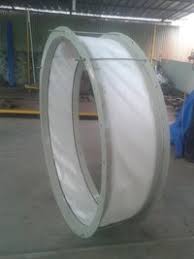 | Duct Bellows HVAC systems and industrial ducting rely on high-quality duct bellows for durability and performance. View product → |
Frequently asked questions
How should you isolate a machine before cleaning a round bellow?
Stop automatic cycles, apply the machine’s lockout/tagout procedure, isolate electrical, pneumatic and hydraulic energy, and release or restrain stored movement.
How do you clean each fold without driving debris into the machine?
Work through the folds methodically, removing contamination away from the protected opening instead of forcing debris into compressed folds or the machine.
How do you choose a cleaning method for a round bellow?
Identify the bellow material and contamination first, then use a cleaning method compatible with that material and avoid anything that attacks its surface.
What should you inspect after cleaning a round bellow?
Check the working surface, every fold, travel, mounting attachments and signs of puncture, cracking, distortion or looseness.
When should you repair or replace a round bellow?
Record the inspection result, then repair damage that can be safely restored; replace the bellow when damage, restricted travel or failed attachments compromise protection.